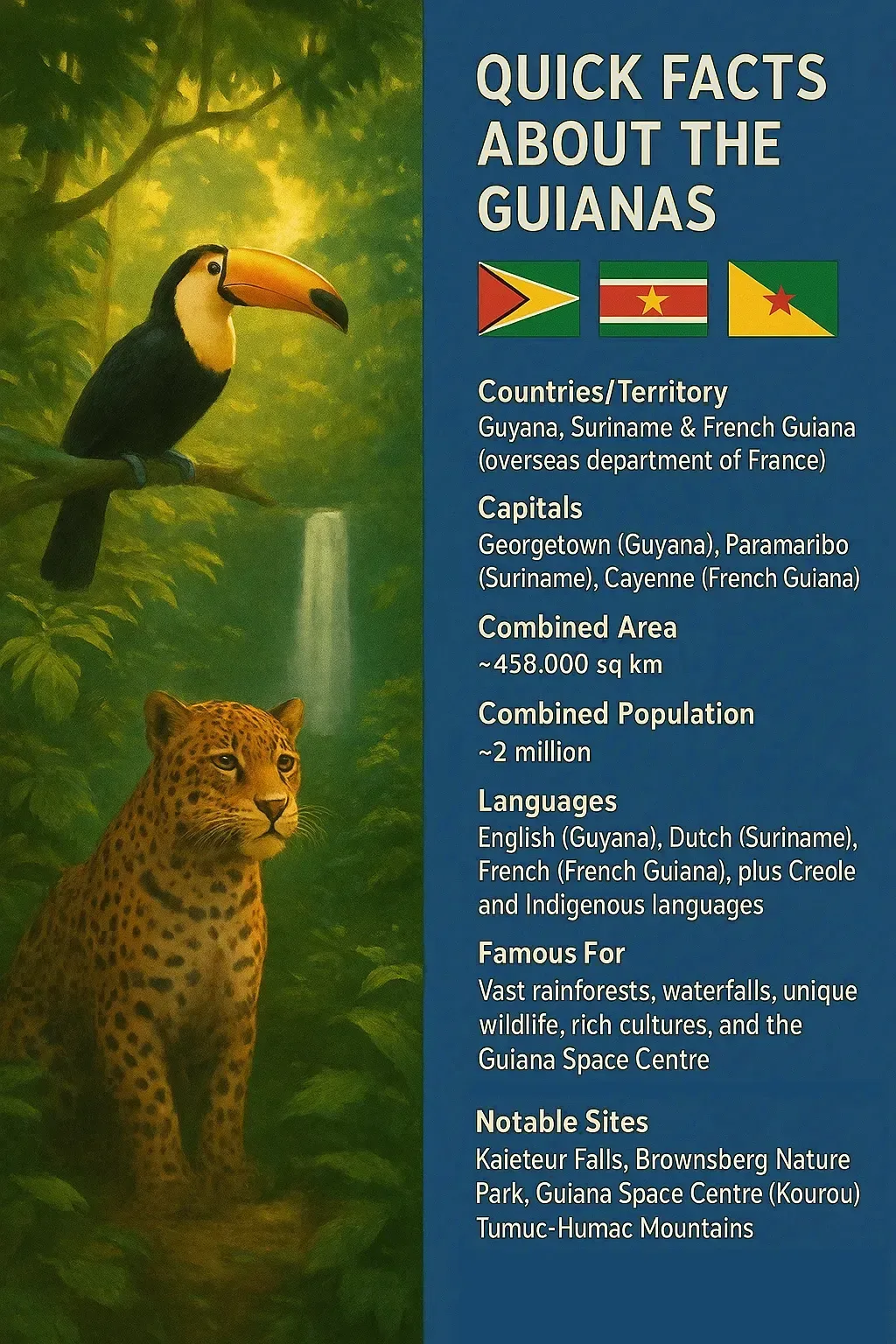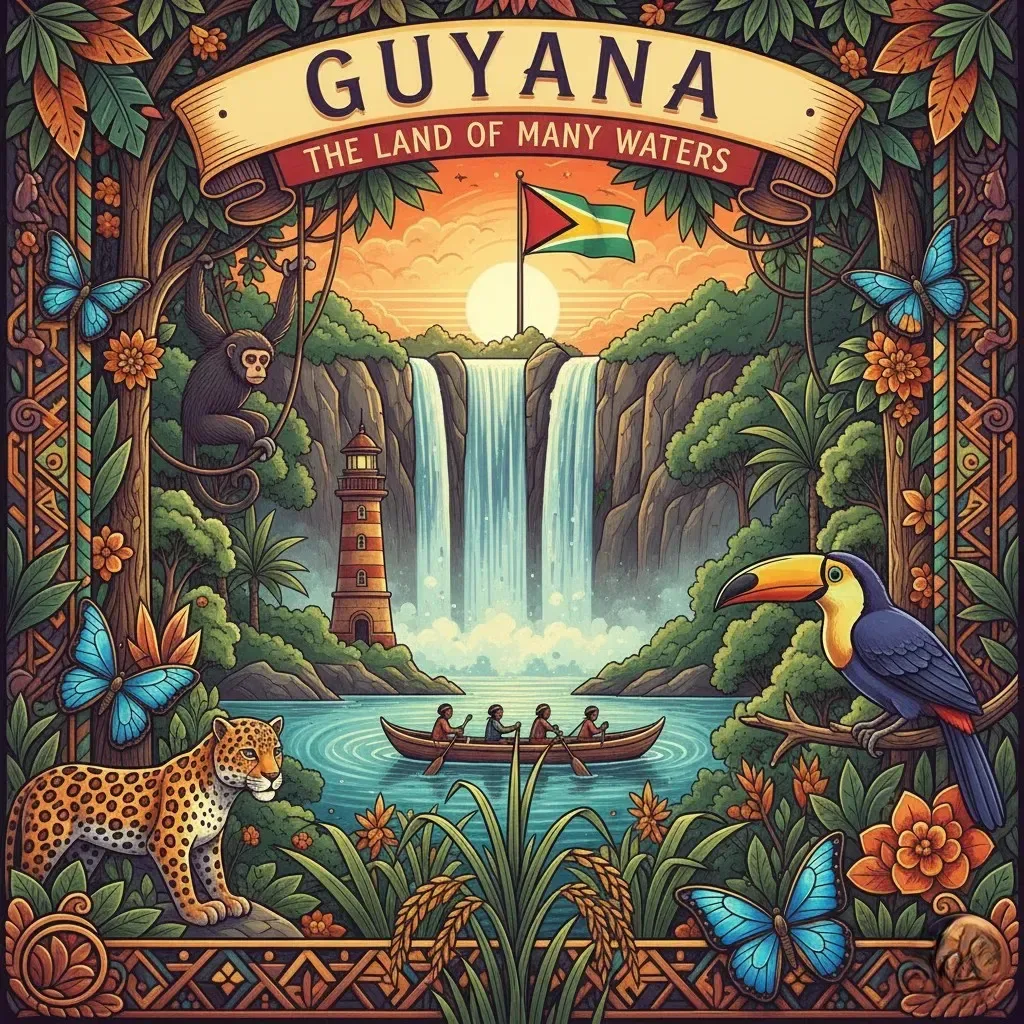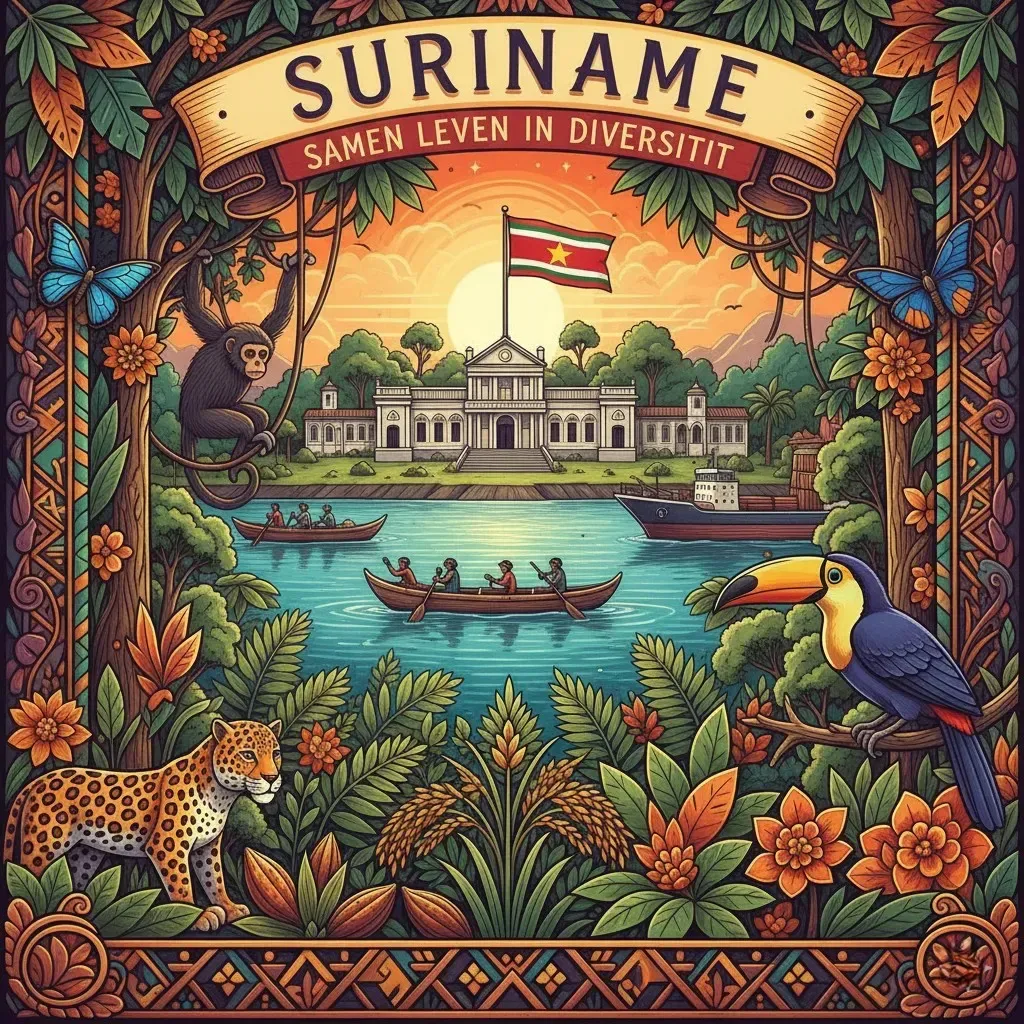

Nature in its original form — Guyana, Suriname, and French Guiana are South America undiscovered.
The northwest corner of South America is the continent’s least-explored territory, a fact you’ll confront head-on when your concerned friends start asking about that trip to Africa you’re planning.
The good news for the adventurous and curious traveler is that the “Wild Coast” is actually hiding – in plain sight – a treasure trove of cultural gems and vast tracts of unspoiled nature, all of which are readily accessible with a minimum of risk or hassle.
This region offers a rare sense of discovery — where dense rainforest meets wide, open savannah, and centuries-old traditions endure far from the mainstream. It is one of the few remaining places on earth where biodiversity and cultural diversity coexist almost untouched.
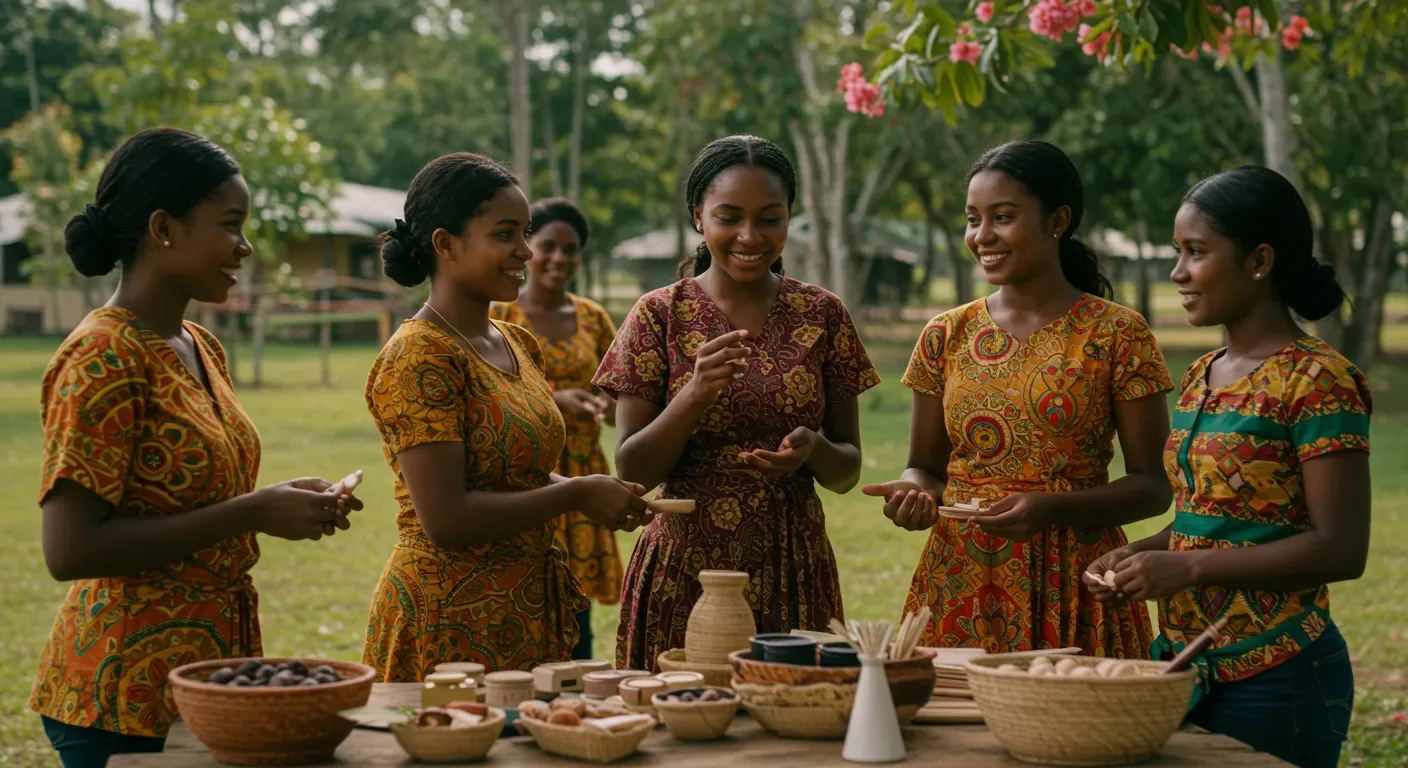
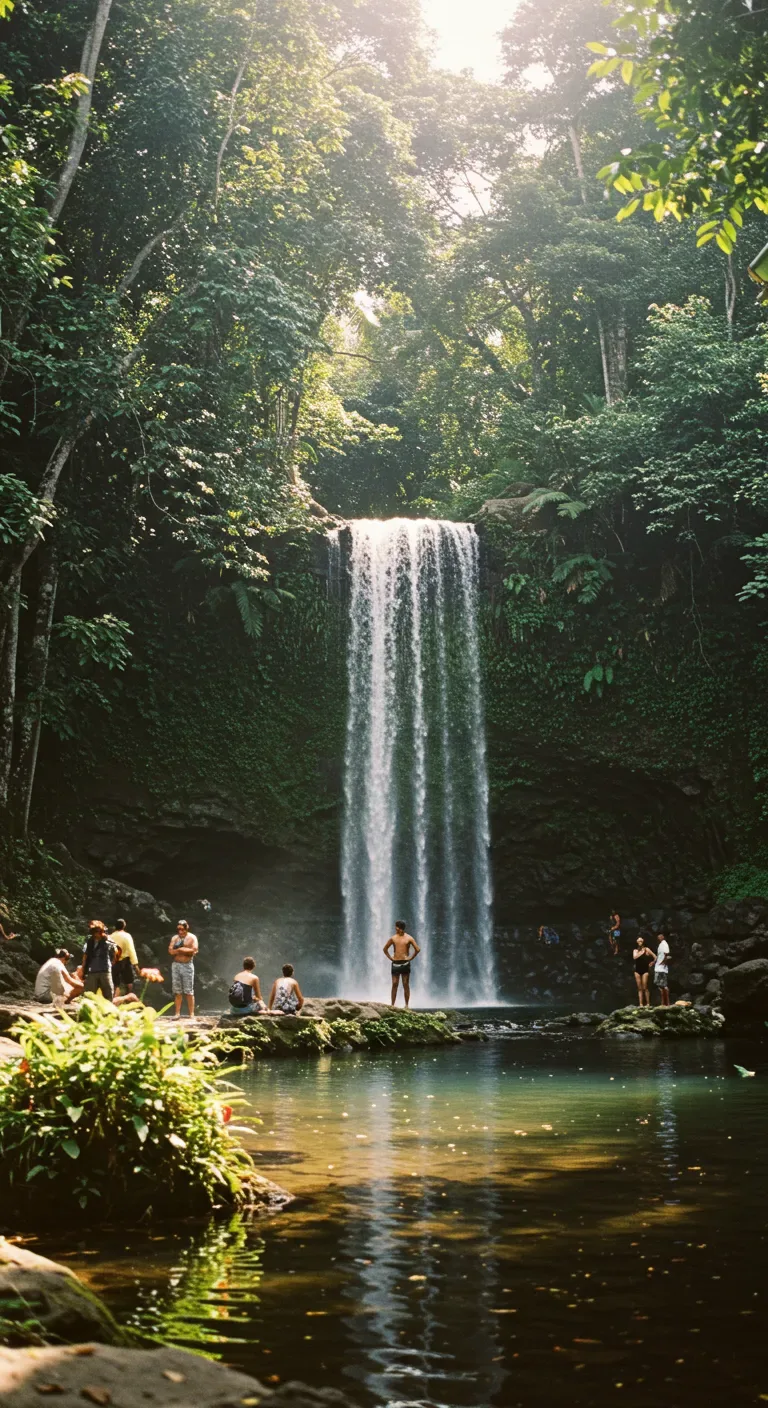
Here, traditional villages line jungle rivers, scarlet macaws streak across the canopy, and waterfalls thunder in places where few tourists venture.
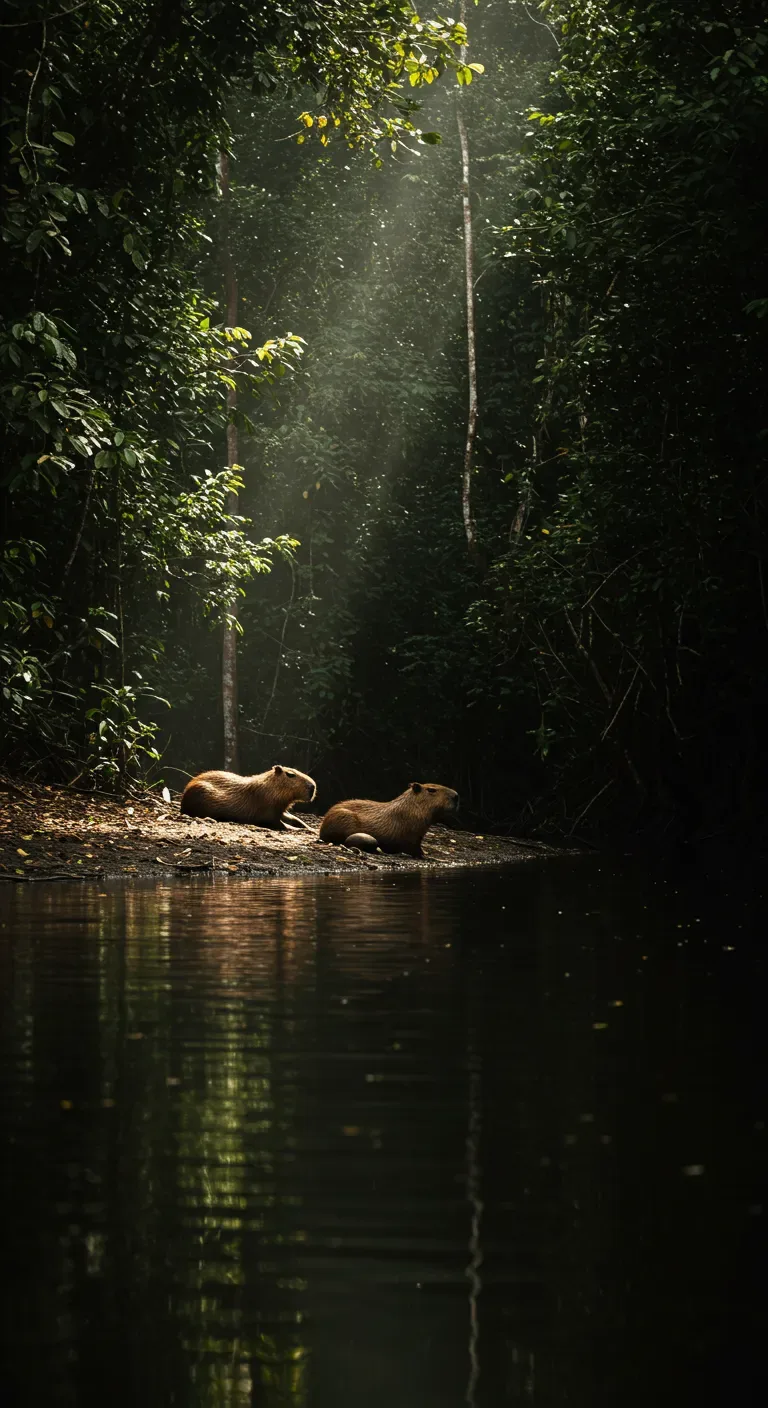
Guyana, Suriname, and French Guiana share a deep natural and historical connection through The Guiana Shield, one of the planet’s oldest geological formations. The landscape is a spectacular mix of rainforest, savannah, riparian forest, and wetlands — home to a staggering array of wildlife including hundreds of bird species, black caiman, giant river otters, giant anteaters, and the elusive jaguar. Visitors can experience authentic encounters with Amerindian and Maroon communities, whose traditional lifestyles and ecological knowledge have been preserved for generations.
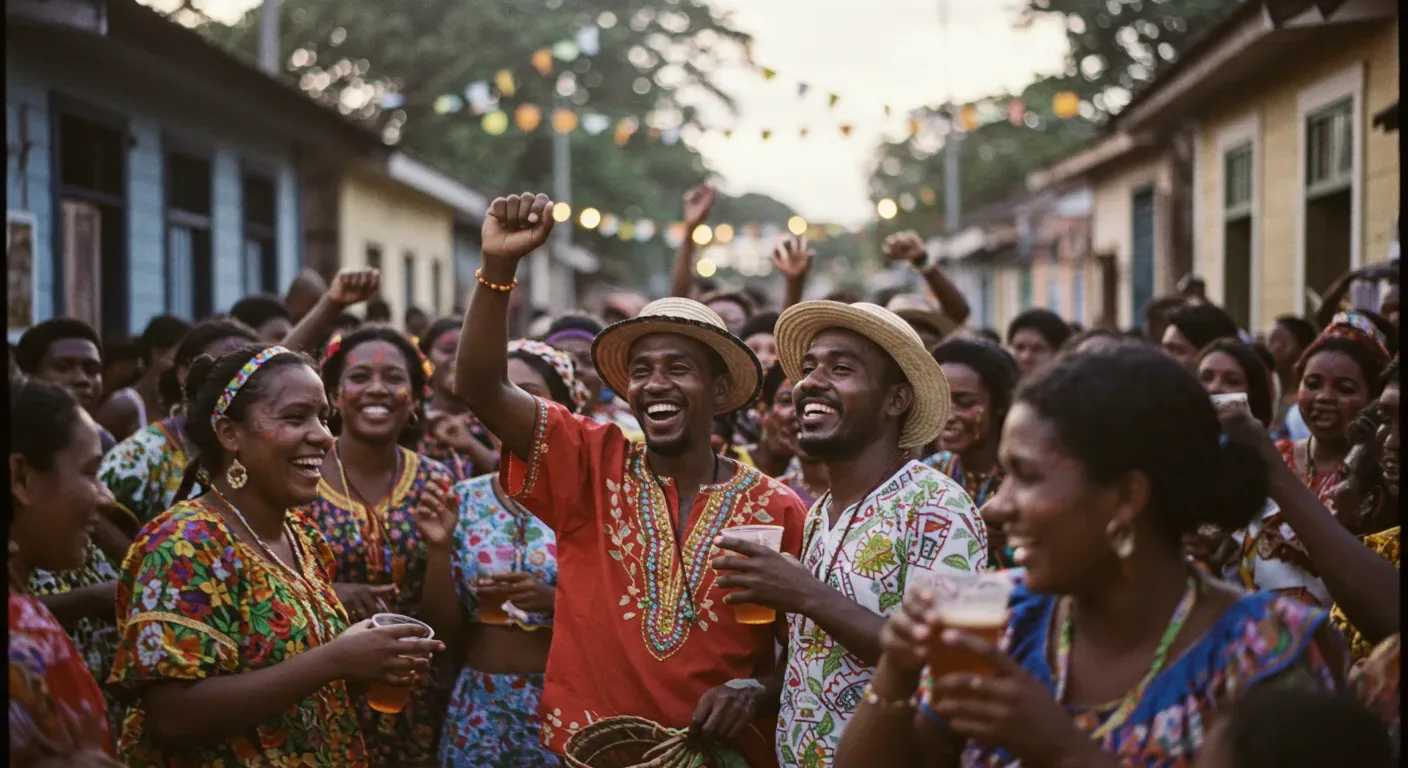
Guyana – Georgetown, the capital, is a lively city where colonial architecture, bustling markets, and Caribbean rhythms blend seamlessly with South American influences. English is the primary language, making travel and communication easy for English-speaking visitors. Beyond the coast, Guyana’s interior offers some of South America’s most spectacular natural attractions: Kaieteur Falls, the world’s highest single-drop waterfall; the vast Iwokrama Rainforest Reserve, a living laboratory of tropical ecology; and the Rupununi Savannah, a wild frontier dotted with ranches and teeming with wildlife.
Suriname – A former Dutch colony, Suriname is a melting pot of cultures, languages, and religions. Its capital, Paramaribo, a UNESCO World Heritage Site, boasts a remarkable collection of wooden colonial buildings and a vibrant multicultural atmosphere. Dutch is the official language, but you’ll also hear Sranan Tongo, Hindi, and Javanese spoken in its lively streets and markets. Inland, Suriname’s dense rainforests shelter remote Maroon and Amerindian villages, where traditional ways of life remain largely unchanged. River travel here is the key to exploration, revealing pristine nature and a slower, more authentic pace of life.
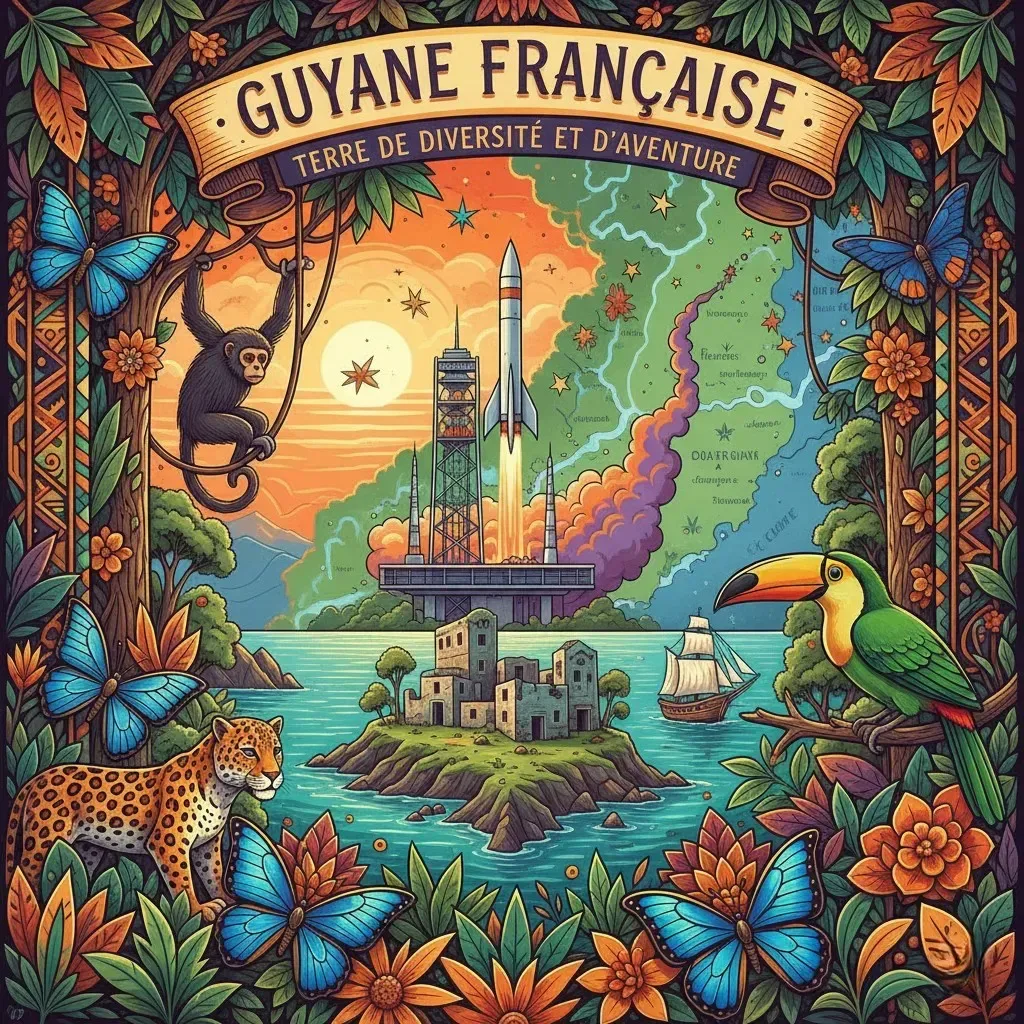
French Guiana – Technically part of France, French Guiana offers a fascinating contrast to its neighbors. Cayenne, the prefecture, combines French flair with a distinctly Creole personality. Off the coast near Kourou lie the ruins of the infamous Devil’s Island, part of the former penal colony that inspired books and films alike. Modern-day French Guiana is also home to the Guiana Space Centre, Europe’s primary spaceport, from which rockets are regularly launched into orbit. The blend of tropical wilderness and cutting-edge science makes this territory one of the most unique corners of the continent.
For travelers seeking an experience beyond the ordinary — where authenticity, adventure, and natural beauty converge — the Guianas are a frontier waiting to be explored.
The Guianas Custom Trips and Experiences
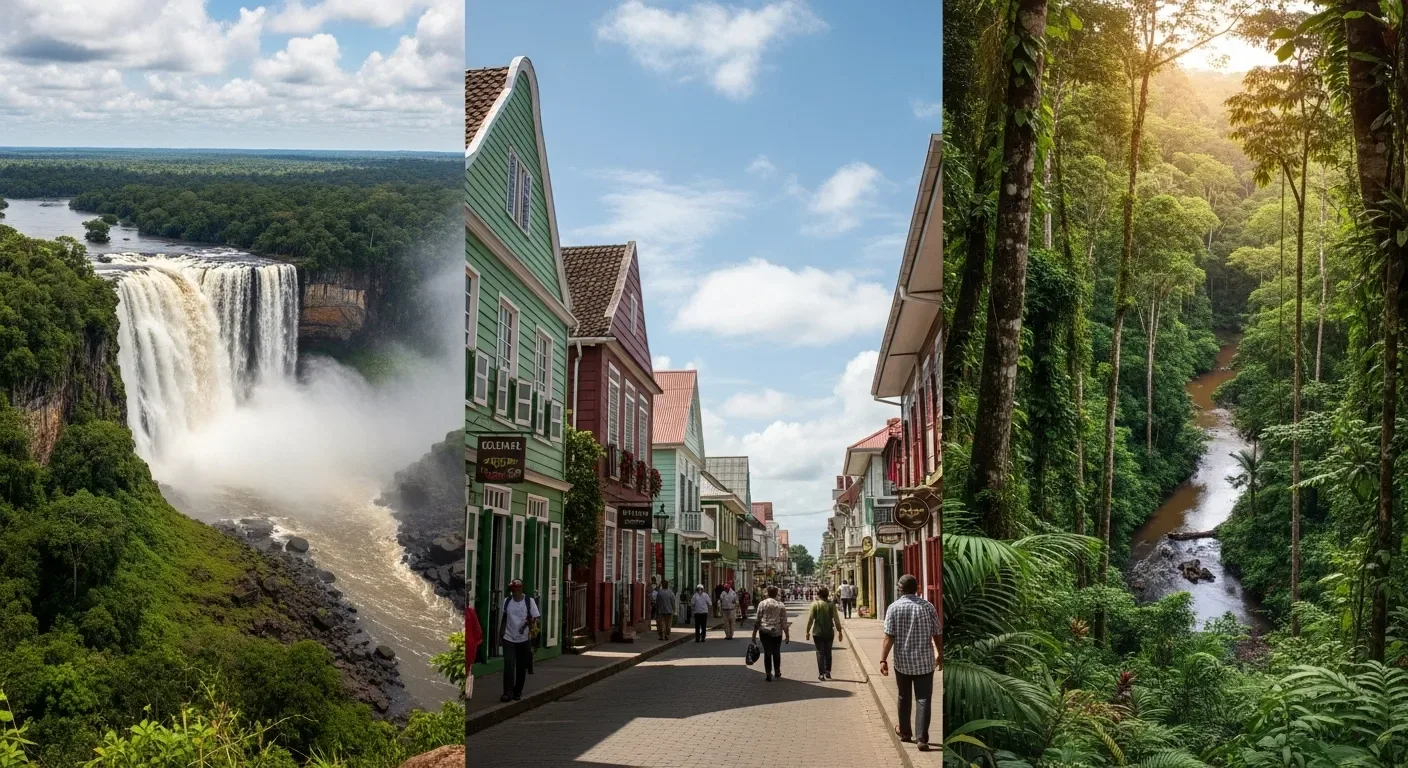
3-Guianas Budget Travel Package
This 13-day 3-Guianas Budget Tour offers travelers a rare chance to explore three of South America’s least-visited regions—Guyana, Suriname, and French Guiana. Each distinct in culture, language, and history, yet linked by geography and a shared colonial past. Designed for value-minded adventurers, this journey combines natural wonders, indigenous traditions, and European heritage with comfortable accommodations and efficient logistics across borders that few travelers ever cross.
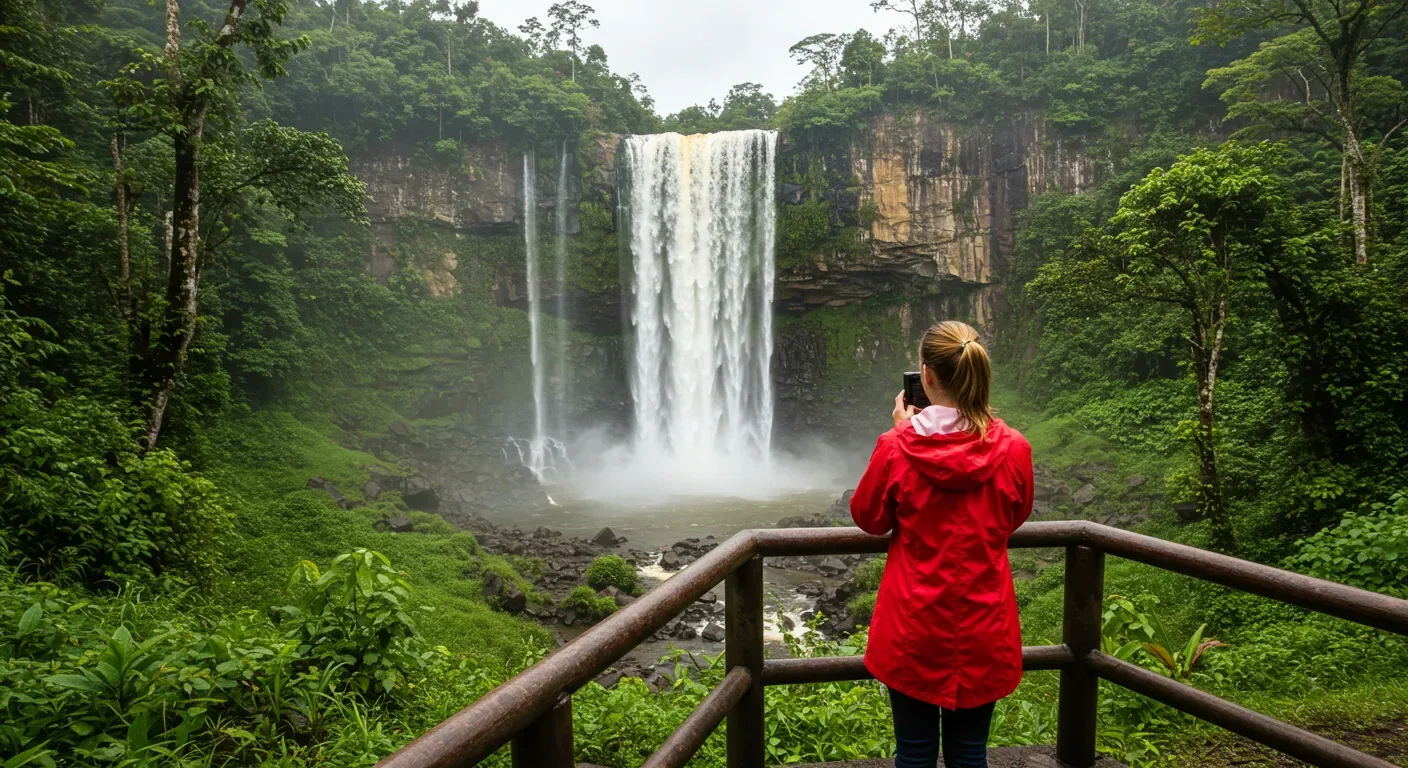
Discovering the Hidden Guianas Travel Package
Across the northern shoulder of South America lies a region few travelers truly know: the Guianas. Defined by rivers, rainforest, and centuries of cultural blending, Suriname, French Guiana, and Guyana form a trio of destinations that defy easy comparison. On this journey designed by Lost World Adventures, you’ll explore three distinct countries linked by geography but shaped by entirely different languages, traditions, and histories.
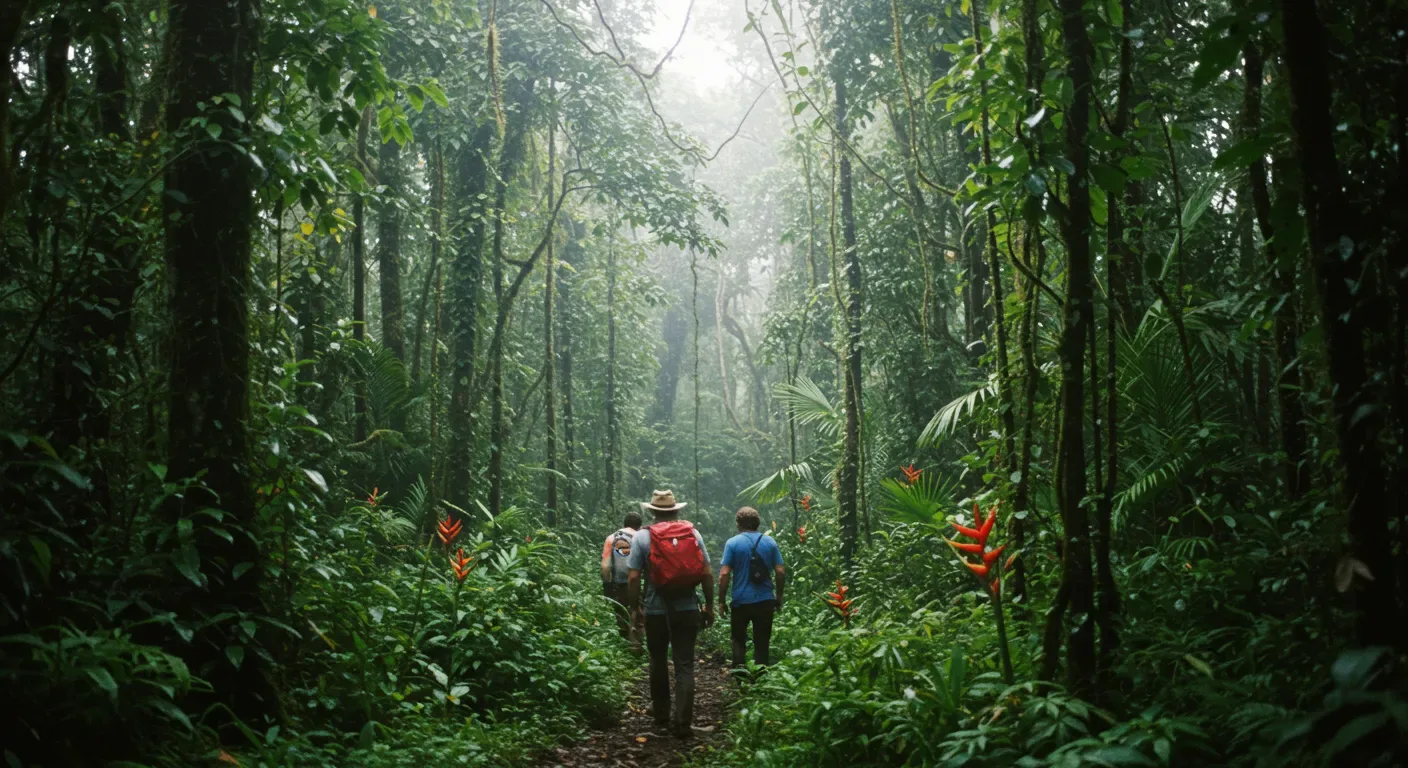
Guyana in Living Color Travel Package
Guyana rewards curiosity. It’s a country that has managed to keep its wild heart intact—an expanse of rainforest, rivers, and savannahs that remains more lived-in than overrun. This journey traces its contrasts: the creole pulse of Georgetown’s markets, the ancient calm of the interior, and the thundering solitude of Kaieteur Falls.
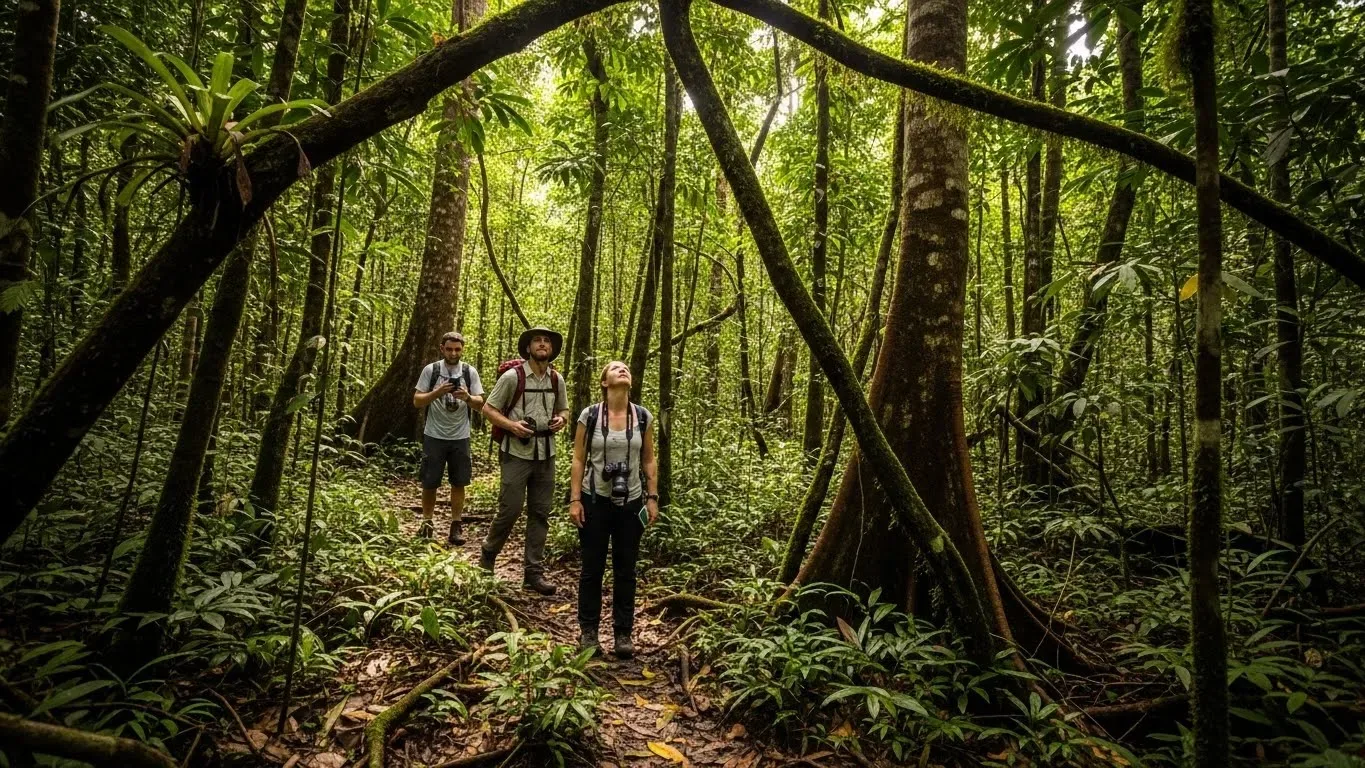
Guyana Nature Experience
The journey begins in Georgetown, where the country’s colonial past and tropical present meet under the steady sway of giant rain trees. It’s an unexpectedly fitting prologue: Guyana’s capital places you on the edge of a landscape that grows wilder with every mile south. The time here is brief, but it serves as a transition point—a breath before the rainforest takes over the senses and the itinerary moves fully into nature’s domain.
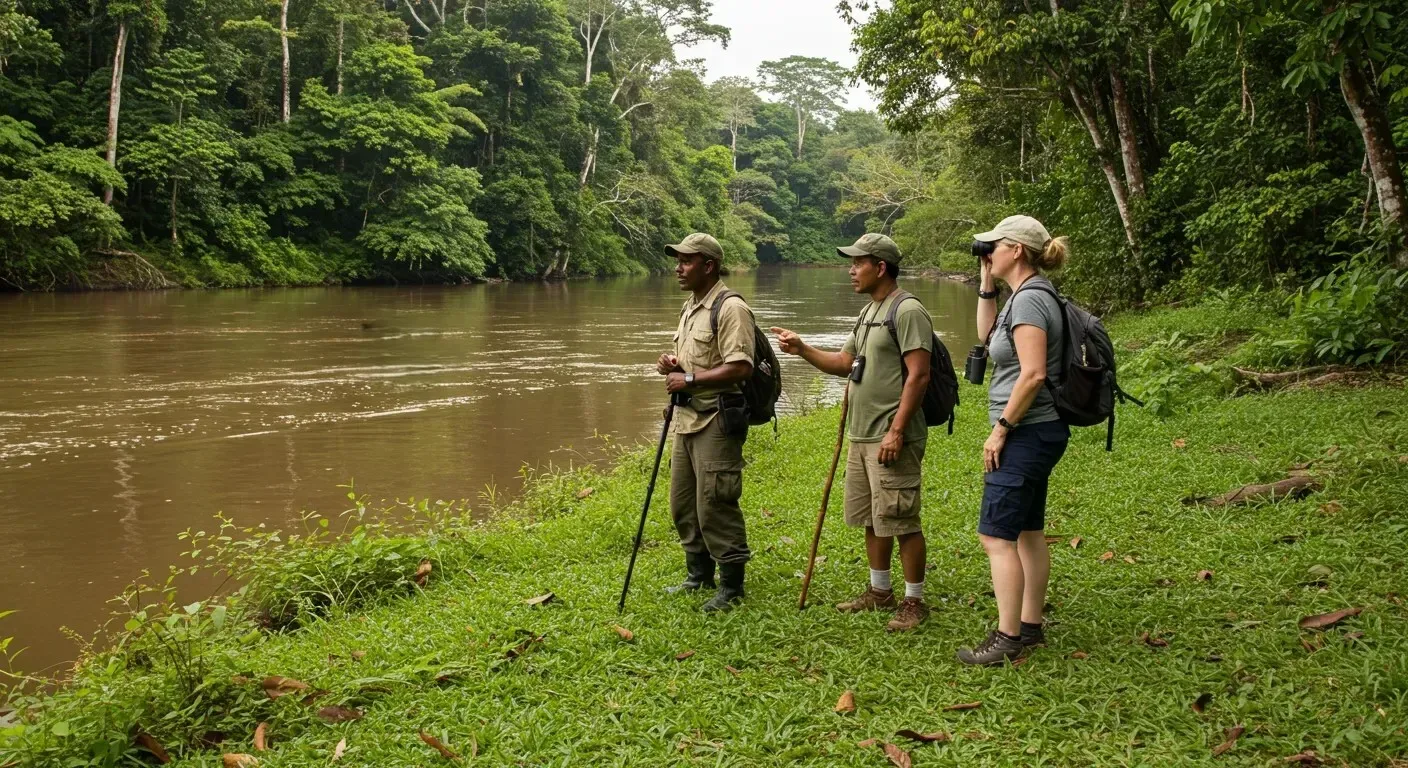
Guyana Wildlife and Adventure Journey
Few destinations remain as profoundly wild as Guyana. Here, immense rainforests merge with sweeping savannahs, rivers carve through untouched wilderness, and nature continues its ancient rhythm largely uninterrupted. This 15-day expedition, crafted and operated by Lost World Adventures, reveals a country defined by both raw beauty and remarkable biodiversity—a place where adventure still feels authentic and discovery still feels real.
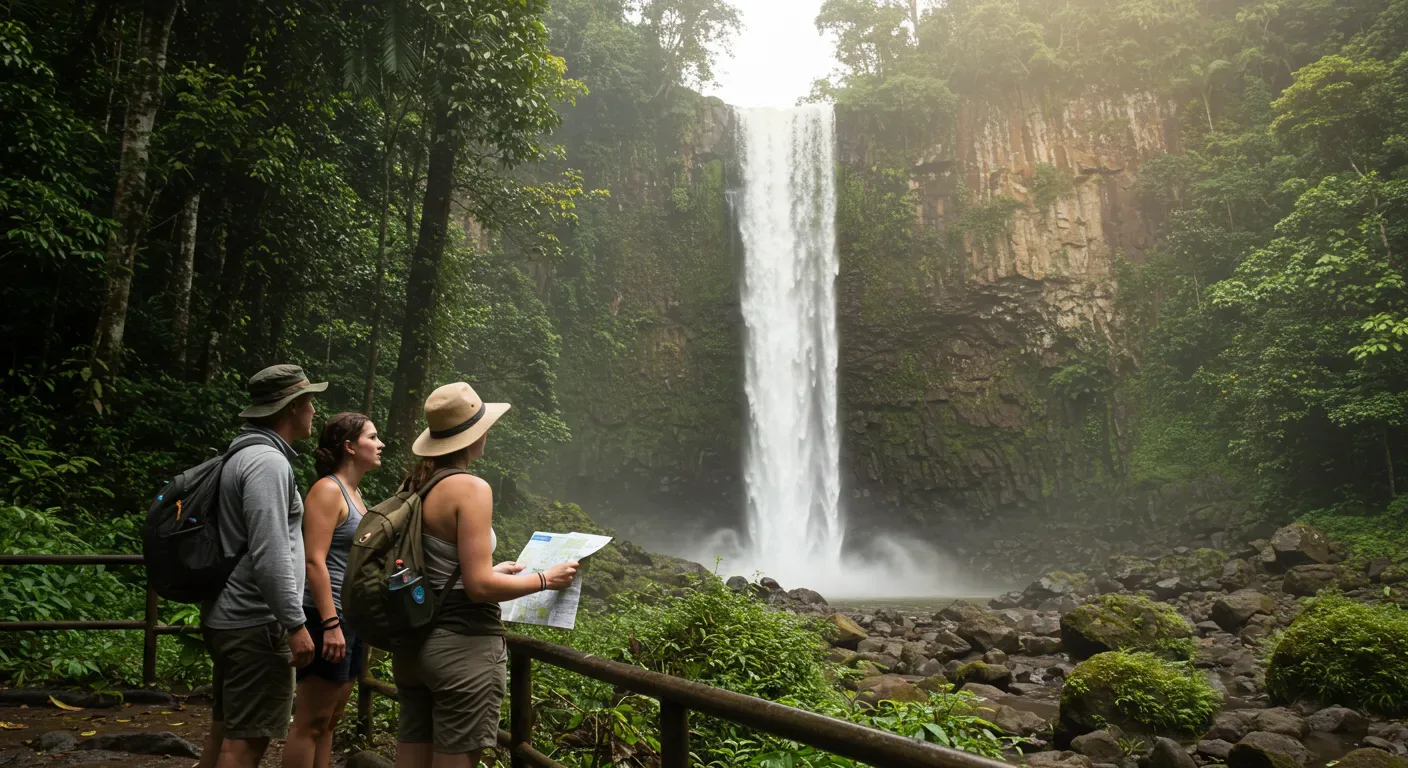
The Guianas Experience Travel Package
The Guiana Shield is a 1.7 billion-year-old Precambrian geological formation in northeast South America and is one of the regions of highest biodiversity in the world. The Shield has 1400 vertebrate species and 1680 bird species. The Shield is overlain by the largest expanse of undisturbed tropical rain forest in the world. Join us as we explore Guyana and Suriname.