Food and Wine Travel Experiences in South and Central America
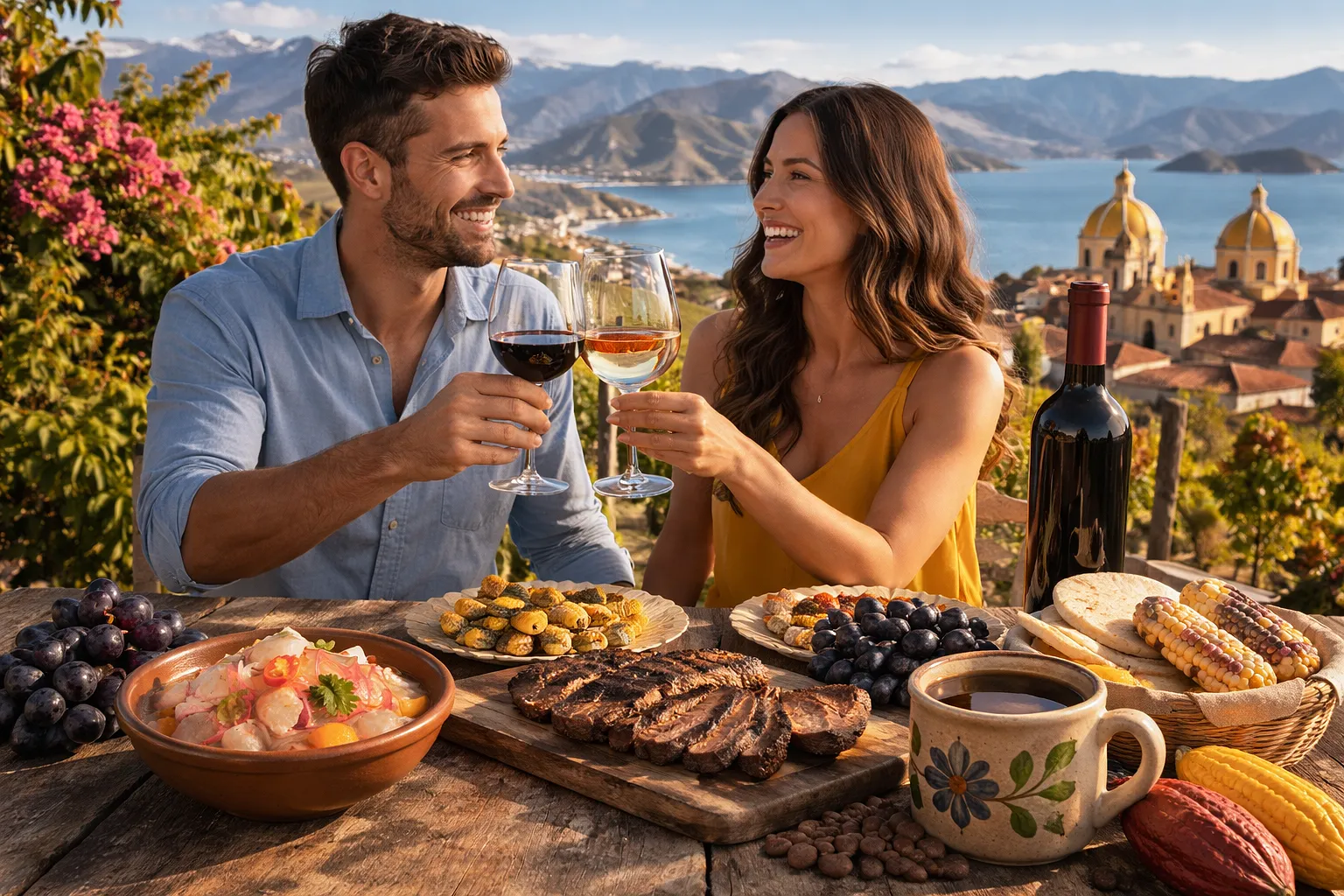
South and Central America offer a rich culinary landscape shaped by geography, history, and cultural exchange.
From high-altitude vineyards in Mendoza to coastal kitchens along the Pacific, the region’s food and wine scenes are defined by bold flavors, native ingredients, and a growing focus on quality and innovation.
Meals are expressions of place, tradition, and local pride.
In Peru, the capital city of Lima has earned global recognition as a culinary hotspot. Dishes like ceviche showcase the country’s access to pristine seafood, balanced with citrus, chili, and herbs. Influences from Indigenous, Spanish, African, and Asian cuisines come together in styles often referred to as Nikkei or Chifa, creating one of the most dynamic food cultures in the world. Pair that with emerging high-altitude wines from the Ica Valley, and the country offers a compelling mix of tradition and experimentation.
Further south, Argentina stands as a cornerstone of the region’s wine identity. The vineyards of Mendoza produce world-renowned Malbec, known for its deep color and robust character. Argentine cuisine complements this with dishes like asado, forming the social backbone of meals. Long, leisurely gatherings centered around grilled meats and local wines define the experience.
In neighboring Chile, wine regions stretch from the arid north to the cool southern valleys. Areas such as Colchagua Valley and Casablanca Valley are celebrated for structured reds and crisp whites. Chilean cuisine highlights the country’s long coastline, with seafood playing a central role. Simple preparations—grilled fish, shellfish stews, and fresh produce—allow the quality of ingredients to stand out, often enhanced by a well-paired local vintage.
Central America offers a more understated but equally rewarding culinary journey. In Costa Rica, the emphasis is on freshness and sustainability, with dishes like gallo pinto forming a daily staple. Meanwhile, Guatemala blends Mayan culinary traditions with Spanish influences, resulting in rich stews, handmade tortillas, and complex sauces. While wine production is limited in this part of the region, locally grown coffee and cacao often take center stage, offering their own distinct sense of place.
Across both regions, a new generation of chefs and winemakers continues to redefine expectations. Boutique wineries, modern interpretations of traditional dishes, and a strong connection to local ingredients are shaping South and Central America into compelling destinations for food and wine travel.
Premier Food and Wine Travel Experiences
A Culinary Tour through Mexico City, Puebla and Oaxaca
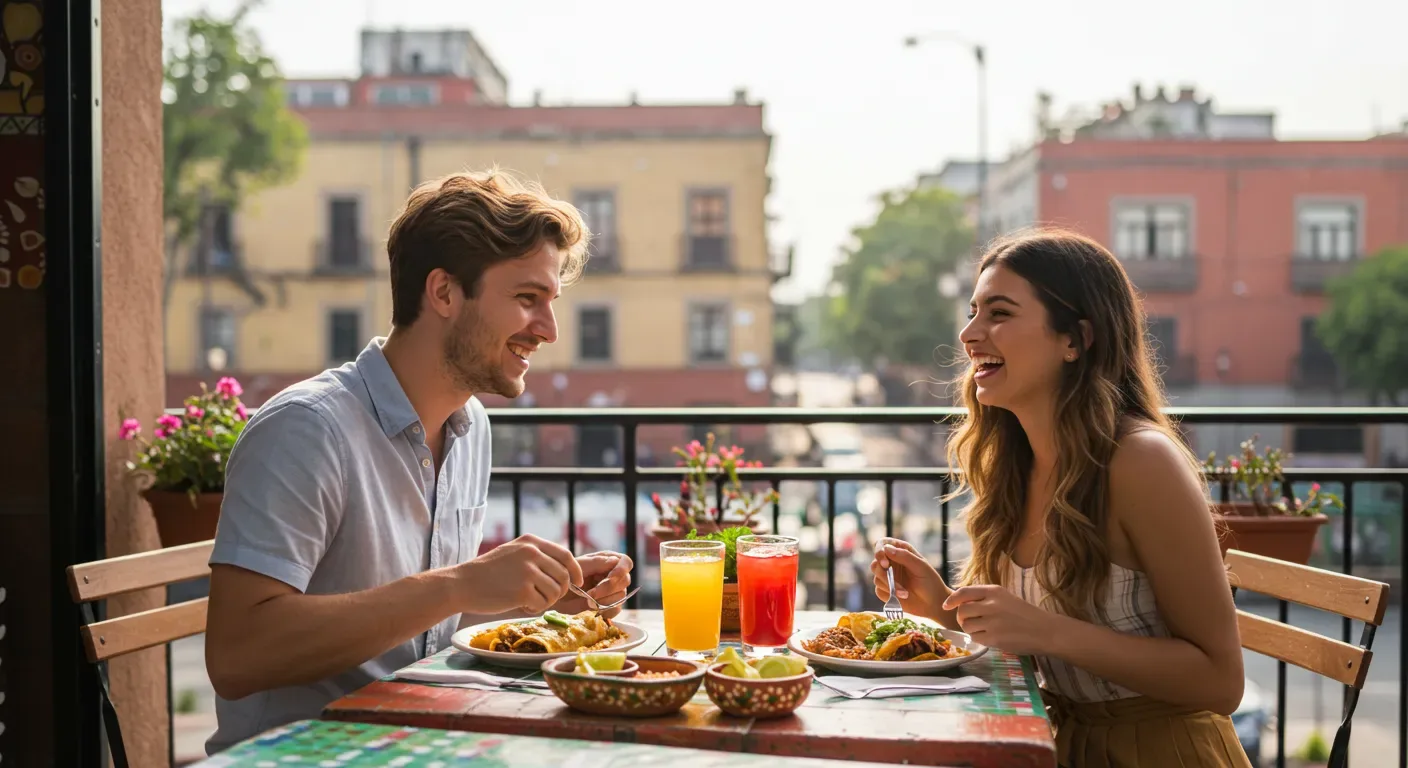
This is not just a journey through Mexico—it’s a culinary pilgrimage designed for those who savor every bite, every story, and every moment around the table. Over twelve delicious days, you’ll explore the country’s most iconic gastronomic regions: the cosmopolitan kitchens of Mexico City, the bold flavors of Puebla, and the artisanal soul of Oaxaca.
A Luxury Tour Through Chile and Argentina
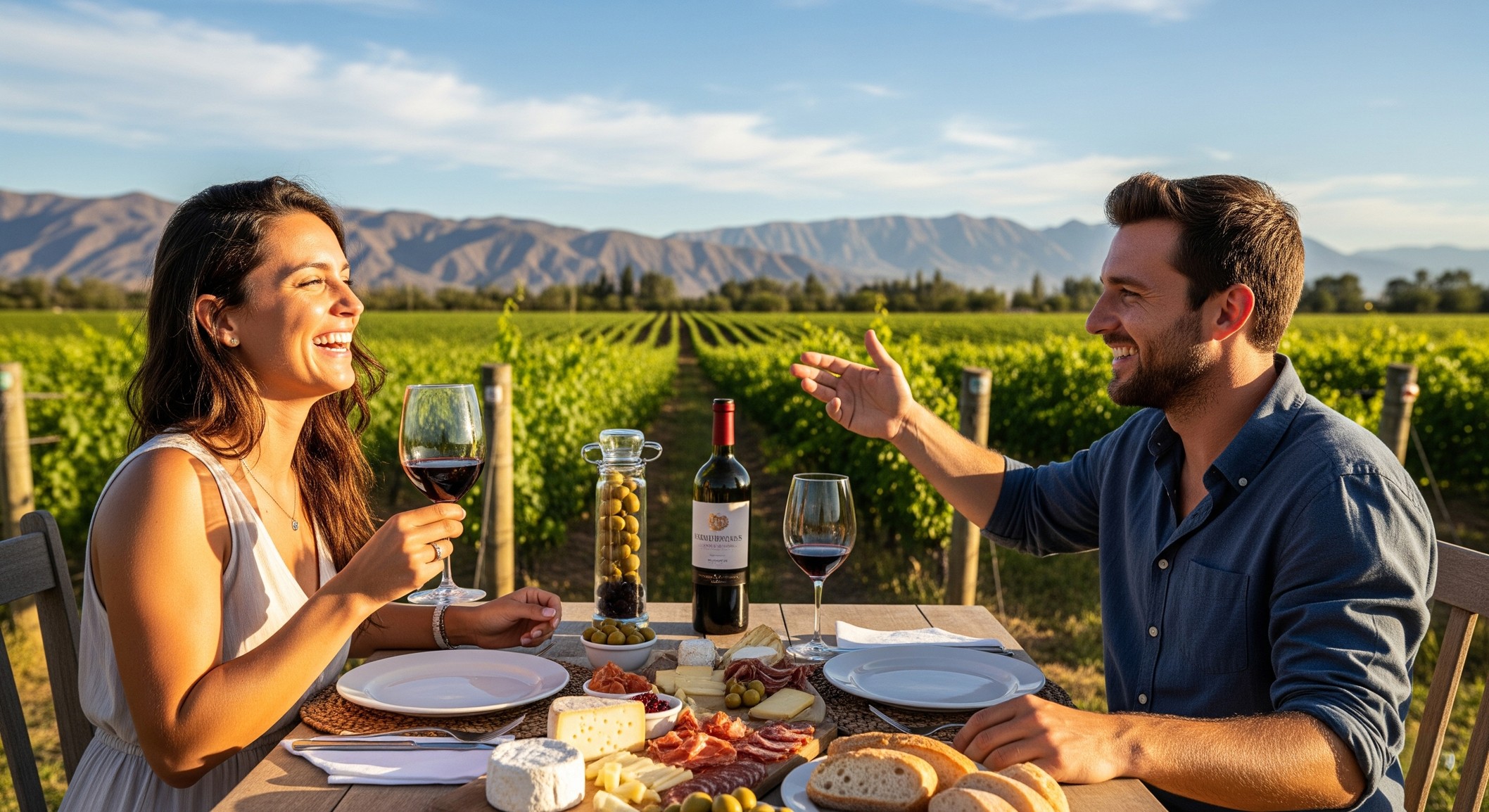
Visit three vineyards in the world renowned Maipo Valley before bidding Chile farewell to cross into Argentina’s famous wine country, Mendoza. You will spend a luxurious three days among the towering Andes peaks at the Cavas Wine Lodge indulging in a huge variety of activities, from massages and spa treatments to rafting, yoga, biking, and winery tours.
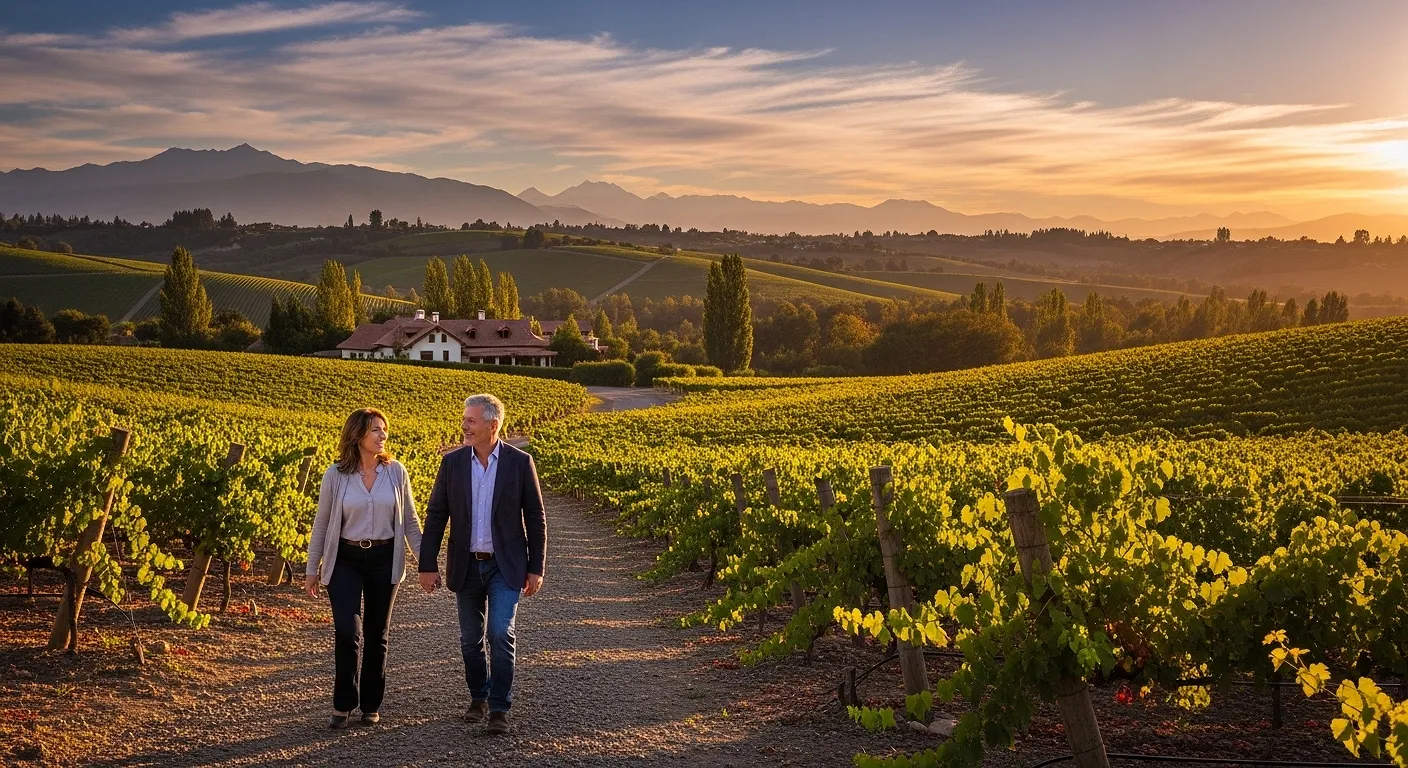
Chile – Santiago, Wineries & the Coast Tour
Cities, valleys and coastline. On this 9-night trip you will tour Santiago, wineries in three central valleys, and historic Valparaíso on the coast. Start in Santiago with a city tour that includes visits to the historic old quarter, government buildings, museums, historic and residential neighborhoods, San Cristobal Hill with its spectacular panoramic view of the city and Andes.
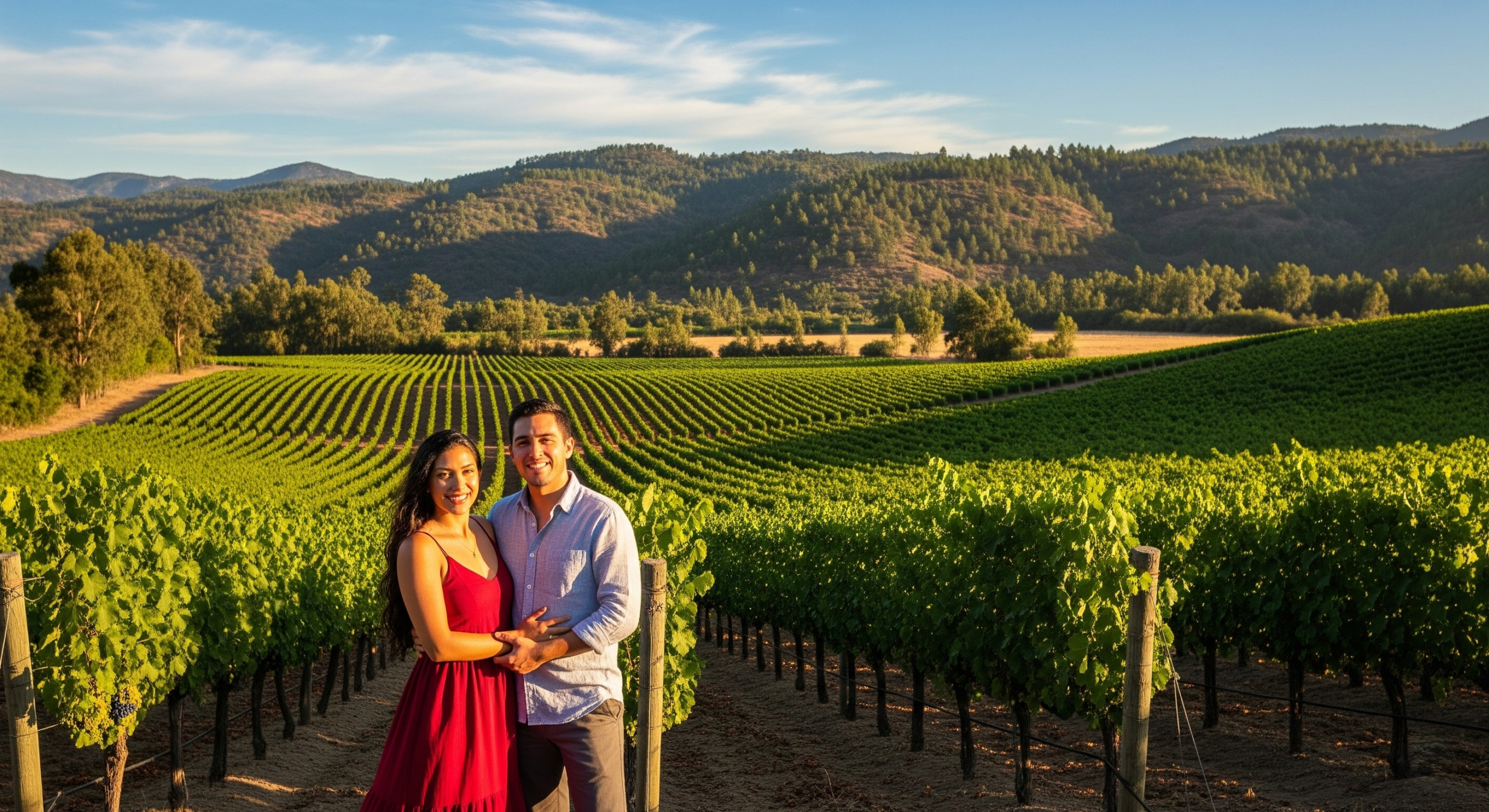
Chile Lakes District, Atacama and the Wine Region Tour Package
Awasi Atacama is a charming adobe hotel in Chile's striking Atacama Desert. Your stay includes all meals and a menu of daily guided excursions. The Hotel Vira Vira, located in Pucon, is an enchanting hacienda surrounded by lakes and volcanoes in Northern Patagonia. Your stay includes all meals and a menu of daily guided excursions.
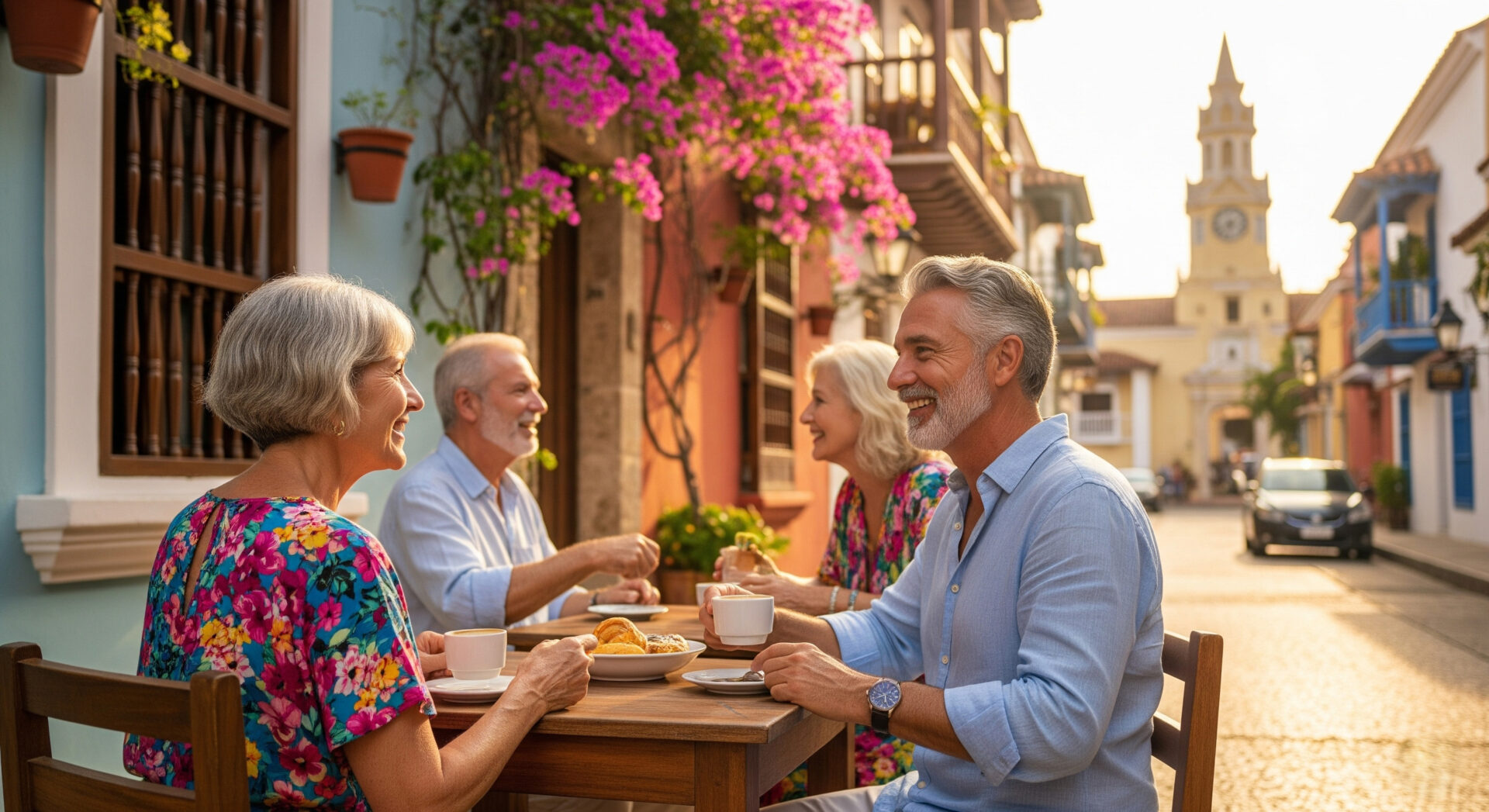
Coffee, Cali & Cartagena Colombia Tour
This 10-day trip features Bogota, the Coffee Zone, Cali and Cartagena. We designed this itinerary to blend the dynamics of the cities, the nature of the coffee region, cultural immersion in Cali, with the history and laid-back atmosphere in Cartagena. In Bogota you will tour the city with a local historian who will introduce you to the life and times of the city.
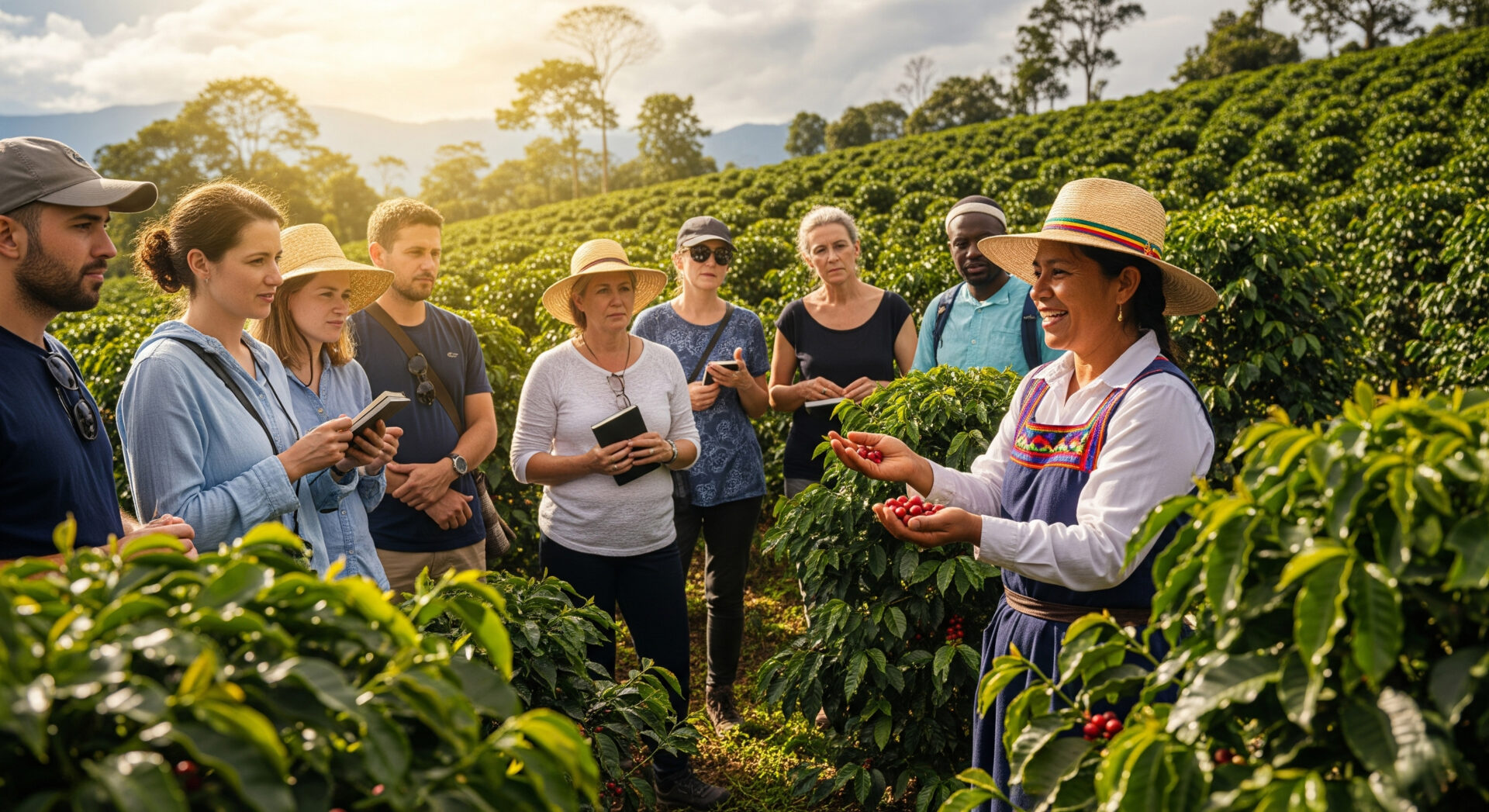
Colombia – Coffee-in-Depth Tour
The perfect trip for coffee connoisseurs. Explore the coffee and cacao plantations, the forests and wildlife of Colombia, one of the world's leading coffee exporters. Your first night will be spent at a Bogota hotel, the next five nights at three different boutique coffee plantations, located outside of Bogota, near Bucaramanga in the Andes and deep in the verdant Coffee Region.
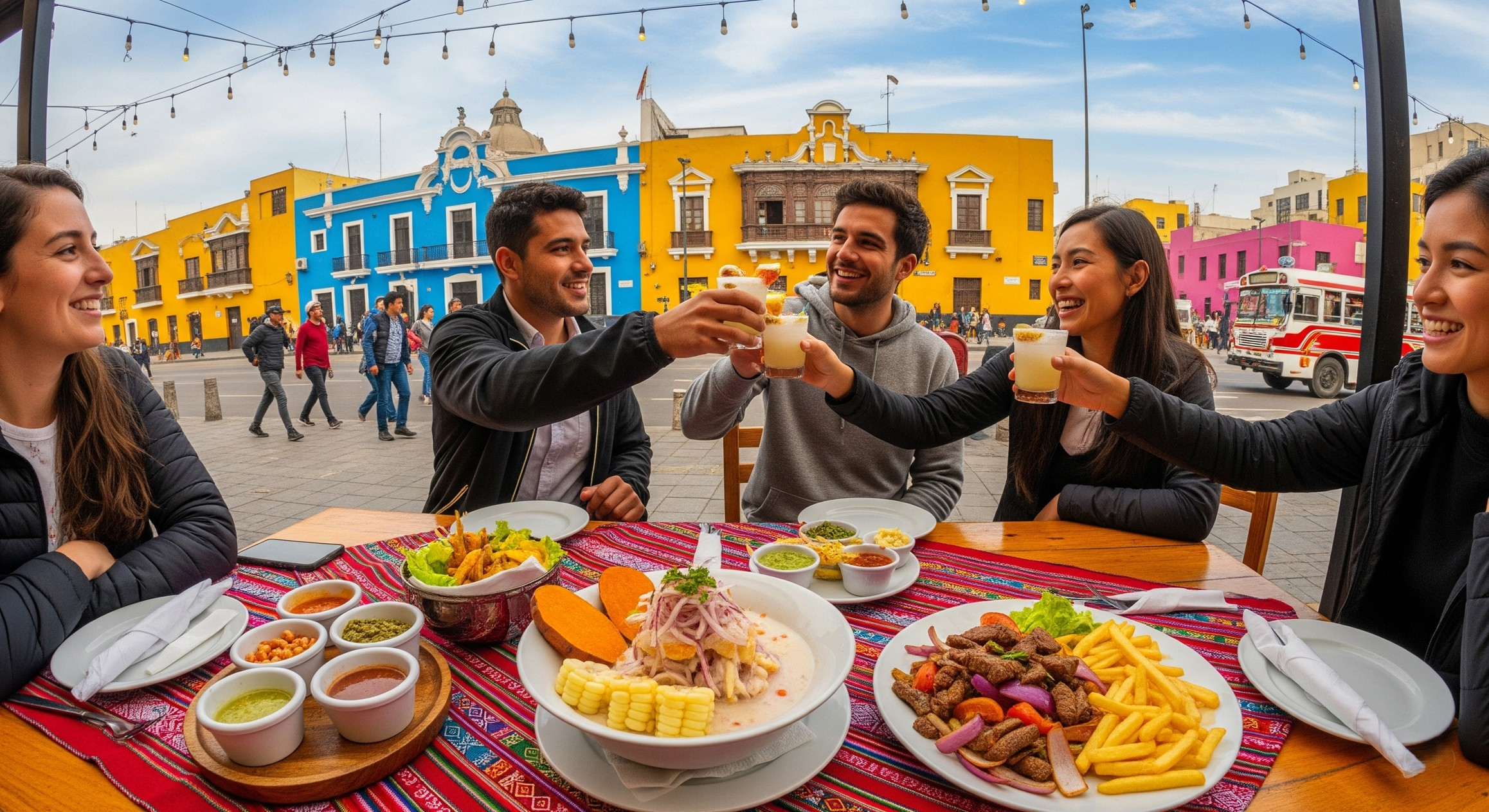
Cultural Peru Tour
If Peruvian food and Inca history piques your interest, you should join our special group tour in December. Your first day in Peru includes two tours of Lima: a food tour of this up-and-coming gastronomic capital and a historical tour of the colonial city.
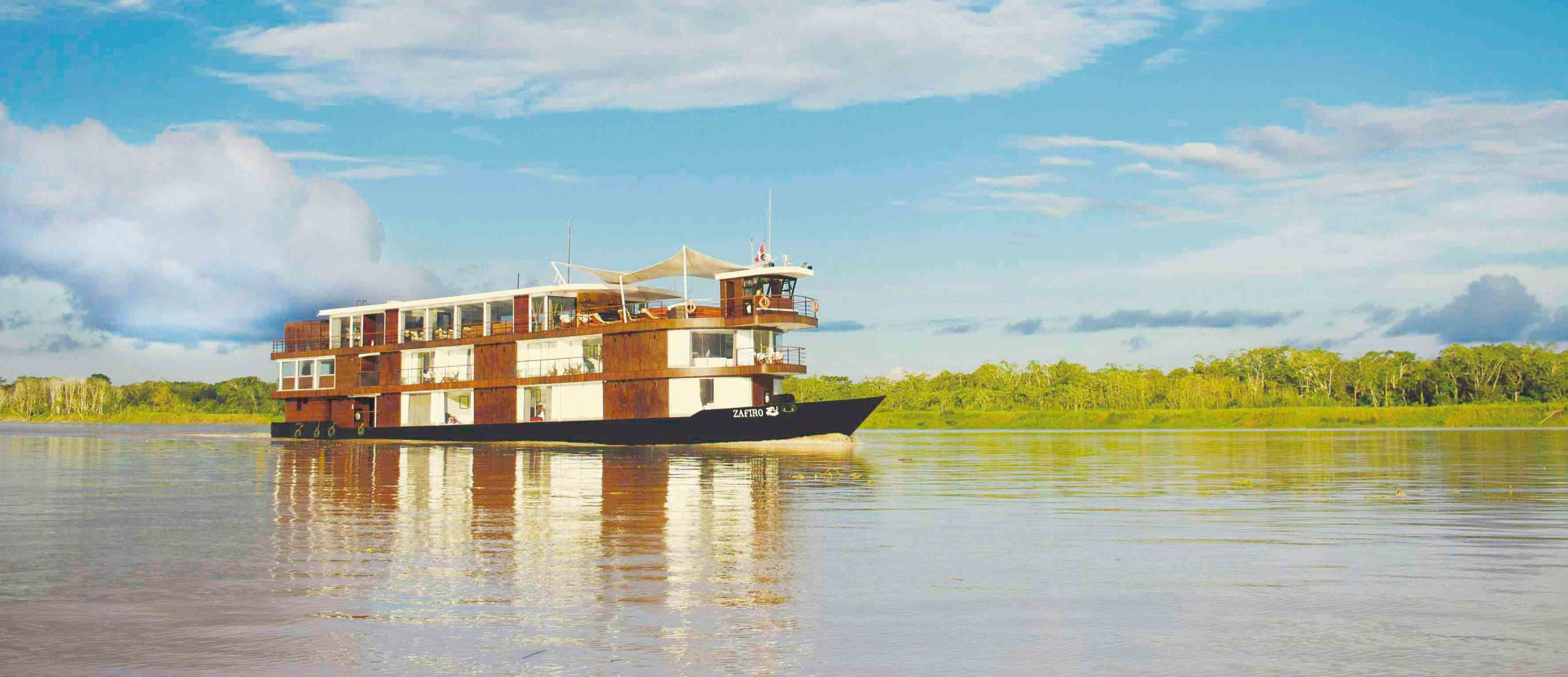
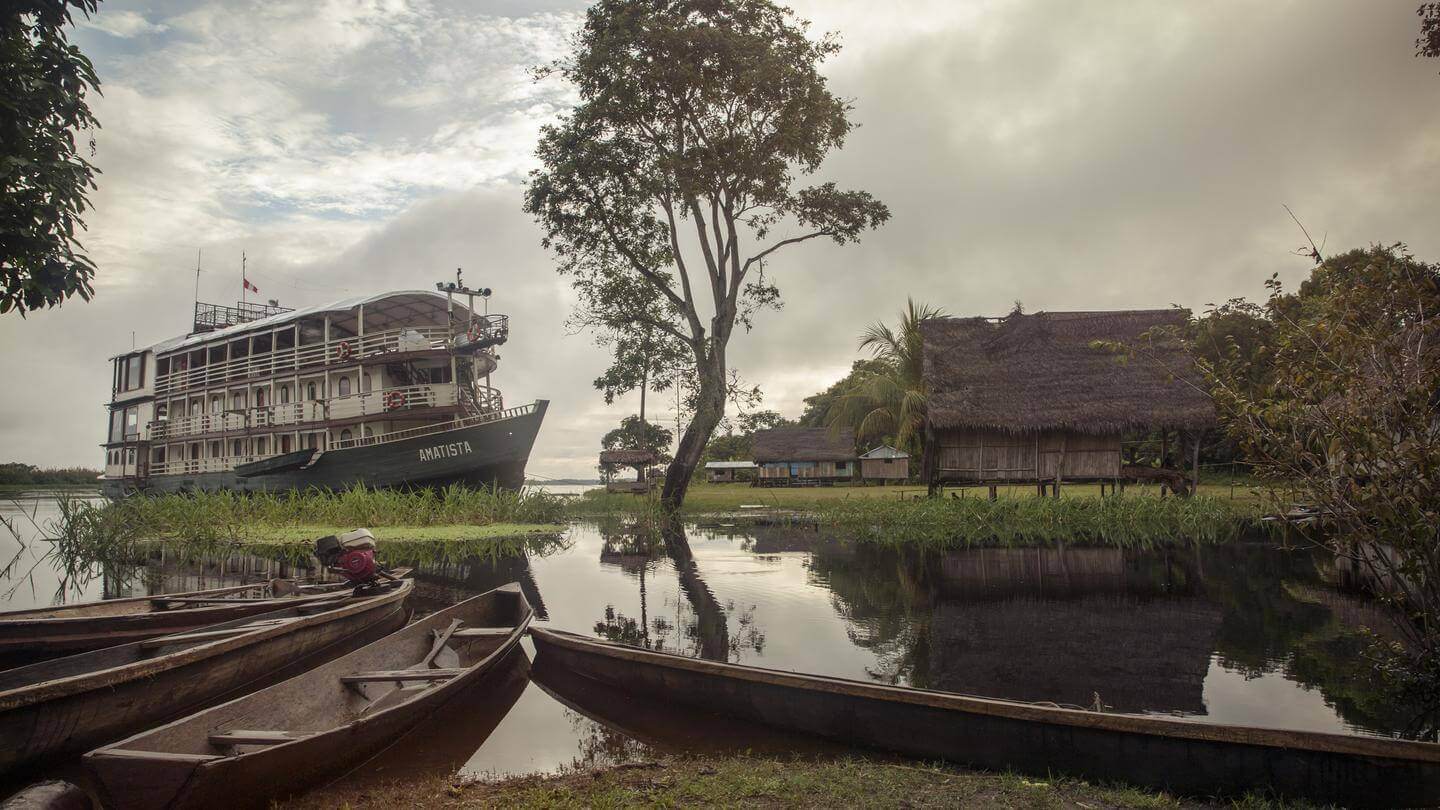
Cuzco, Sacred Valley, Machu Picchu and the Zafiro Amazon River Cruise
On this 10-day journey you will visit Cusco, the Capital of the Inca Empire, the Sacred Valley and Machu Picchu, culminating your trip deep in the Amazon rainforest on a luxury riverboat cruise. Explore the markets and ruins of Cusco and the Sacred Valley, journey by train to the "Lost City of Machu Picchu", journey deep into the Amazon rain forest aboard the Zafiro.
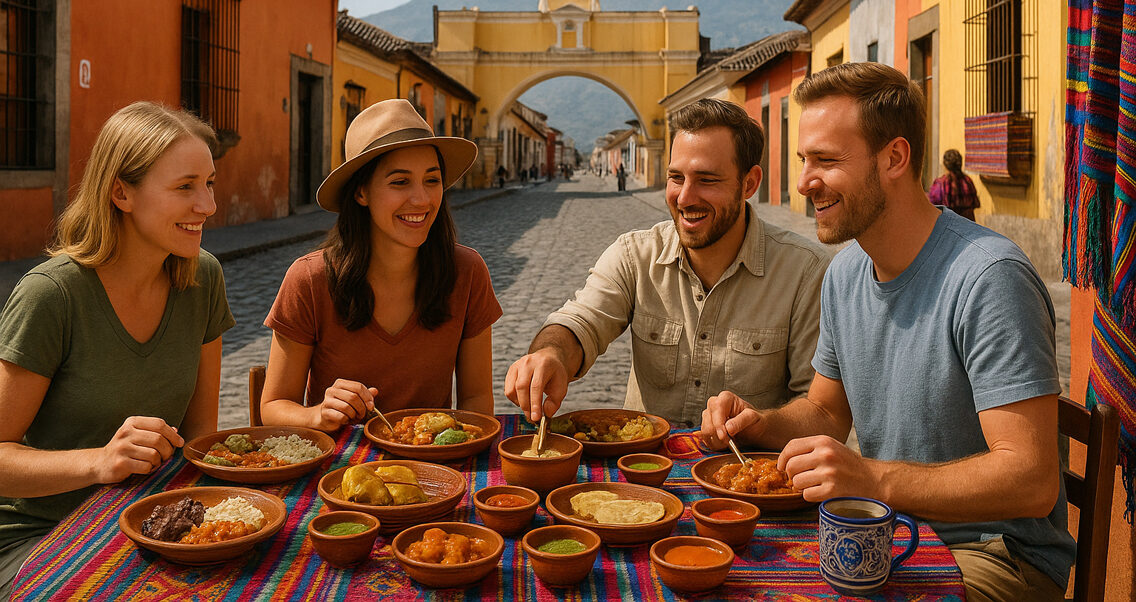
Flavorful Guatemala Food Tour
The cuisine and culinary traditions of the Ancient Mayans were diverse and extensive. The Mayans were hunters, fishers and used their own gardens to grow their food supply. Their most traditional dishes use a variety of ingredients. Their largest crop production was maize (corn). Cacao, another principle crop, was used in a sacred drink and also as an exchange unit in its grain form. The Spanish colonization brought change to the region.
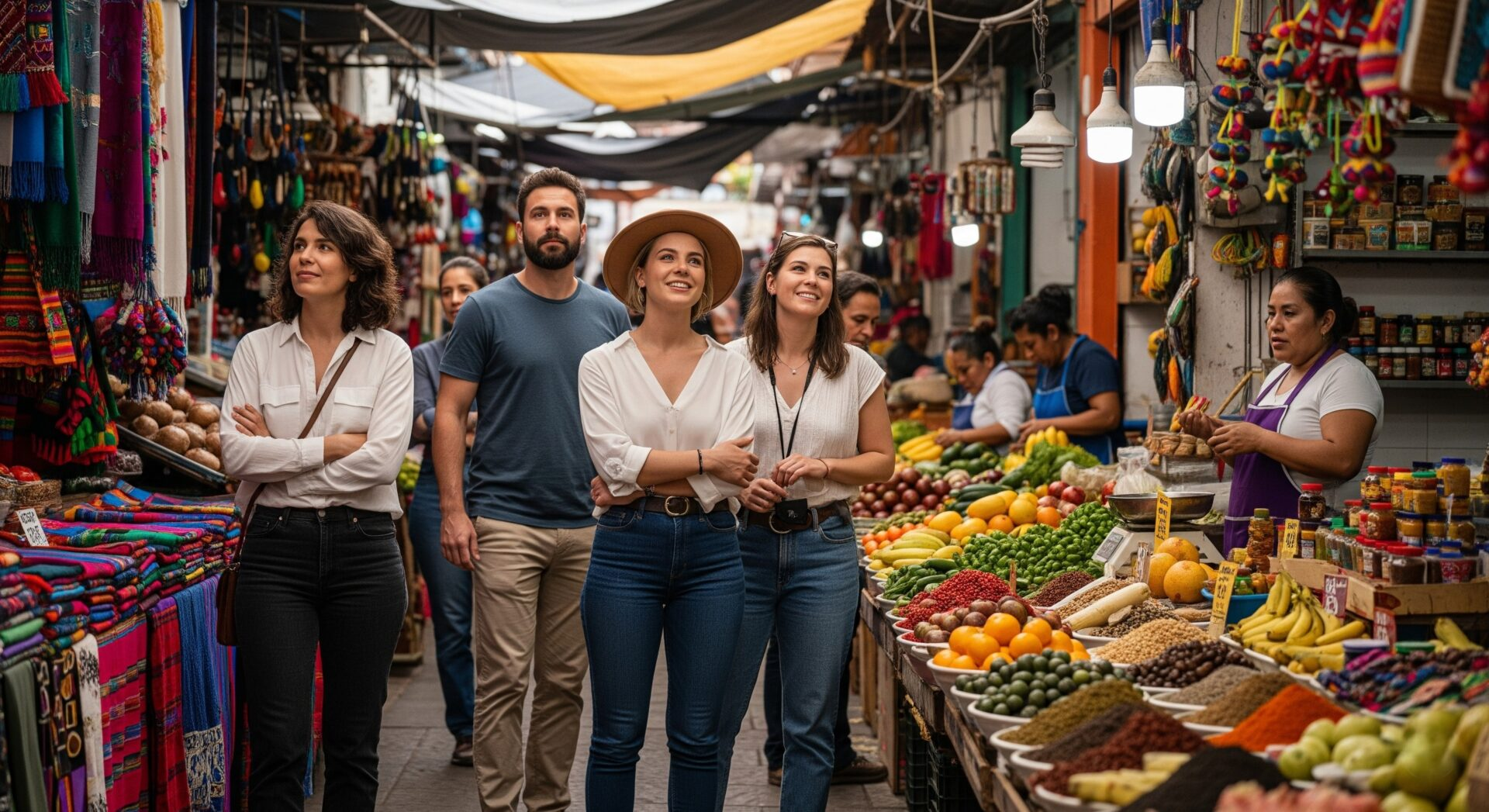
Highlands & Markets Guatemala Tour Package
After two full days exploring the colonial town of Antigua you will venture off-the-beaten-path with your private guide to remote towns and markets throughout the country. You will stay in the towns of Quetzaltenango and Huehuetenango with day trips to the agricultural towns of Almolonga and Zunil, the thermal springs at Fuentes Georginas, San Andres Xecul, Sacapulas and Aguacatan.
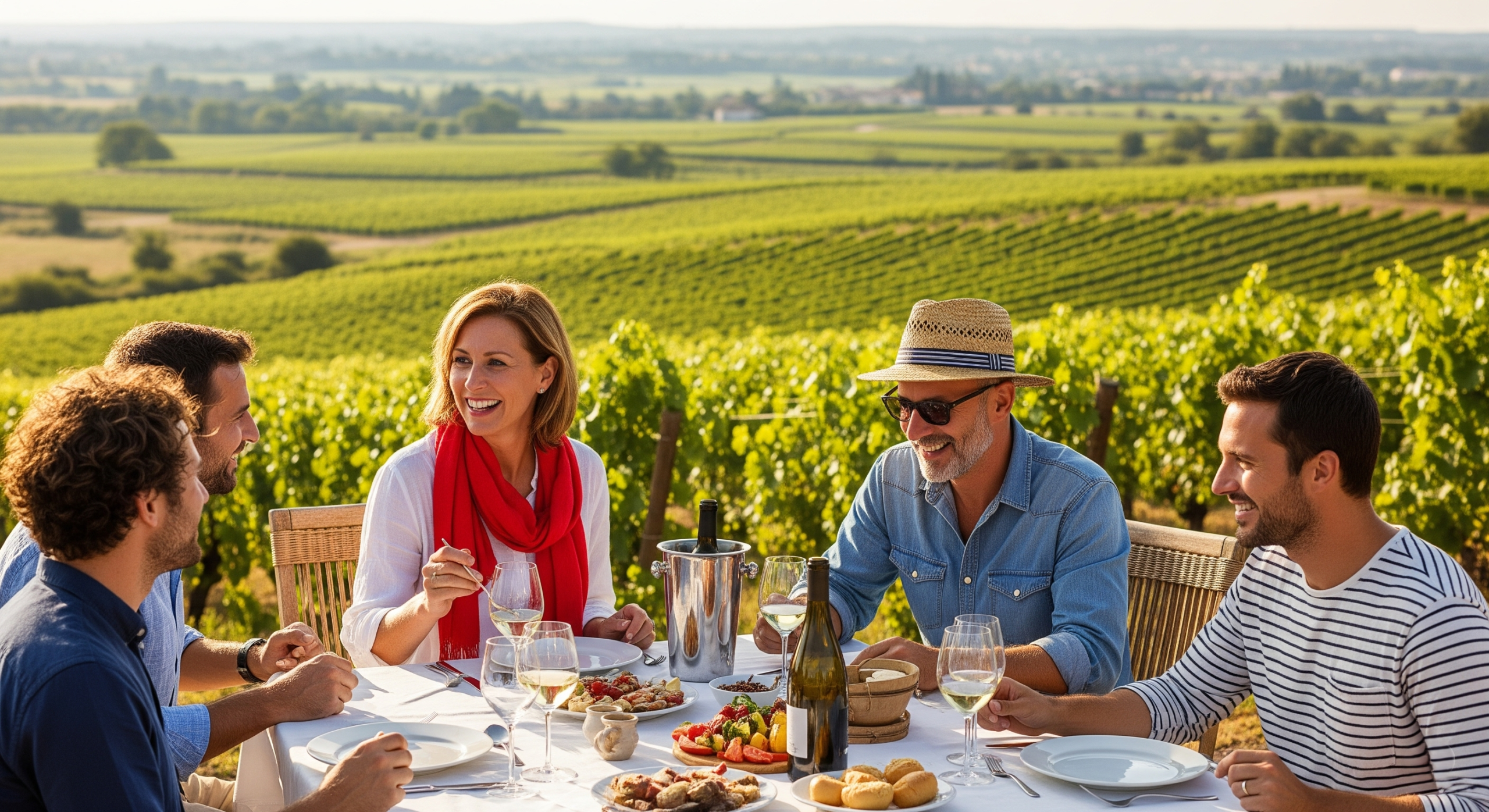
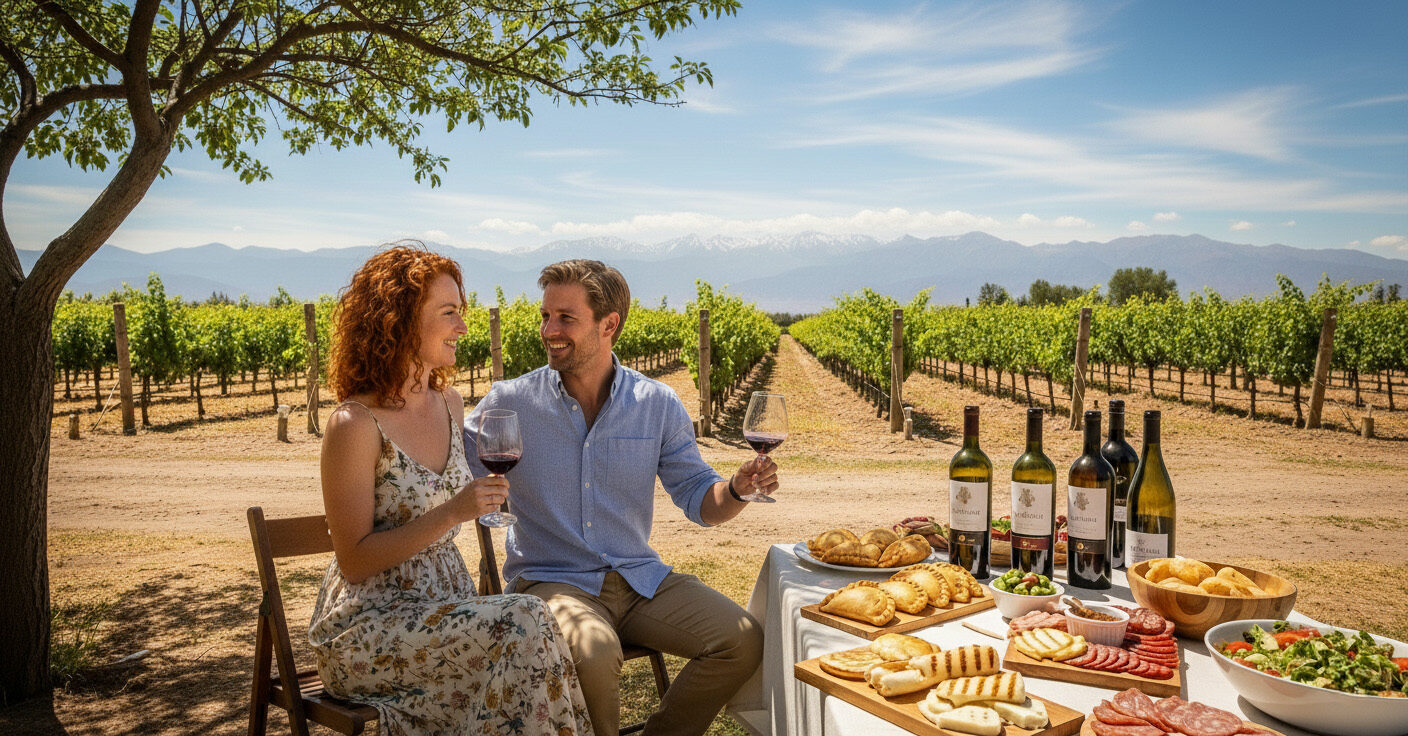
Uncorking Argentina – Food and Wine Tour
Get a private insider's look at one of the top food & wine destinations in the world. Discover the many regions of Mendoza and savor the bold and balanced flavors of hundreds of high-end wines created from vineyards of the very distinctive terroir. Soak up the fabulous views the land offers while indulging your senses with the local cuisine.
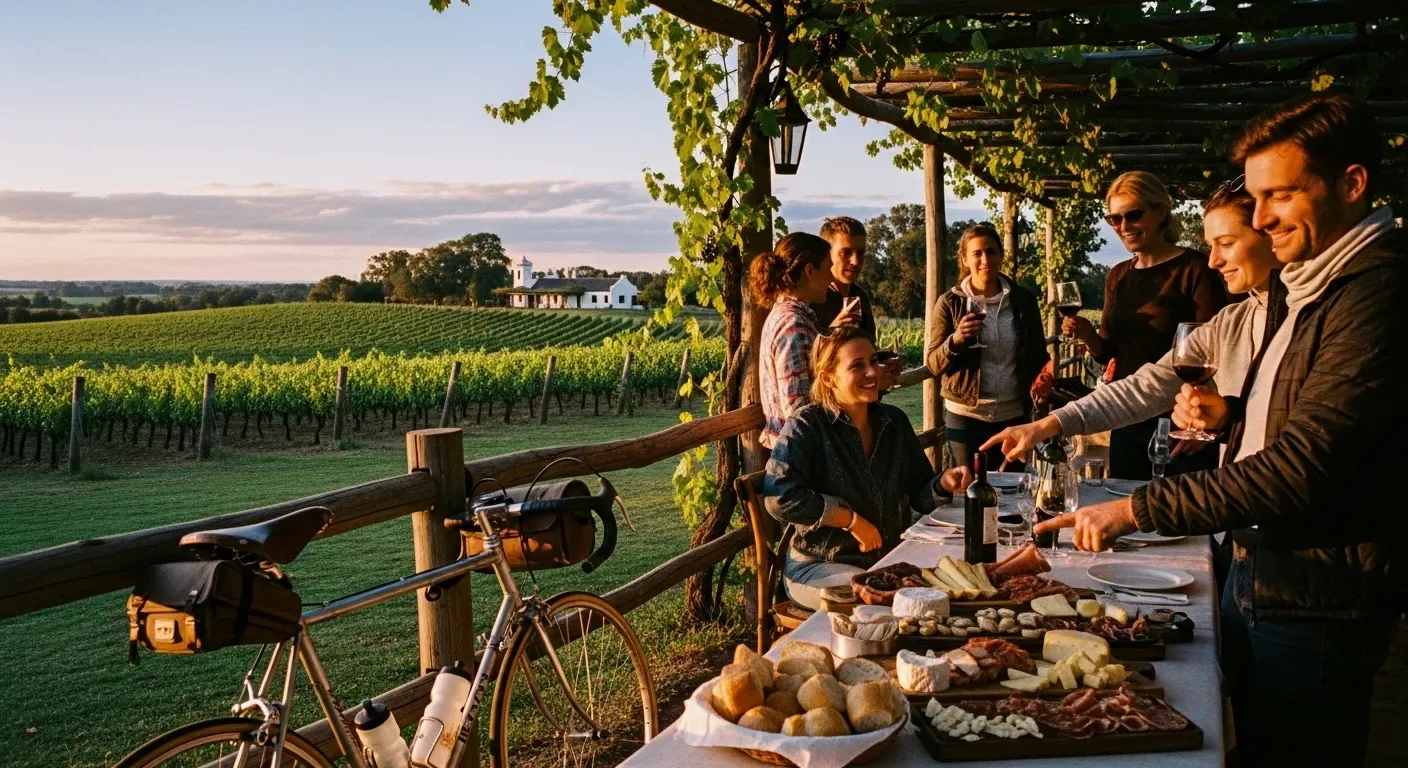
Uruguay Biking, Gastronomy & Wines: Chef on Wheels Tour
A trip through the tastes of Uruguay... special experiences of the Uruguayan gastronomy including olive oil and wine tastings, regional products and traditional dishes of the country. You will be riding from one place to the other meeting different Uruguayan chefs who will introduce you to the local secrets of the fresh local ingredients used in both the contemporary and traditional local recipes of Uruguay.
Scan this QR code to visit this page with your mobile device:

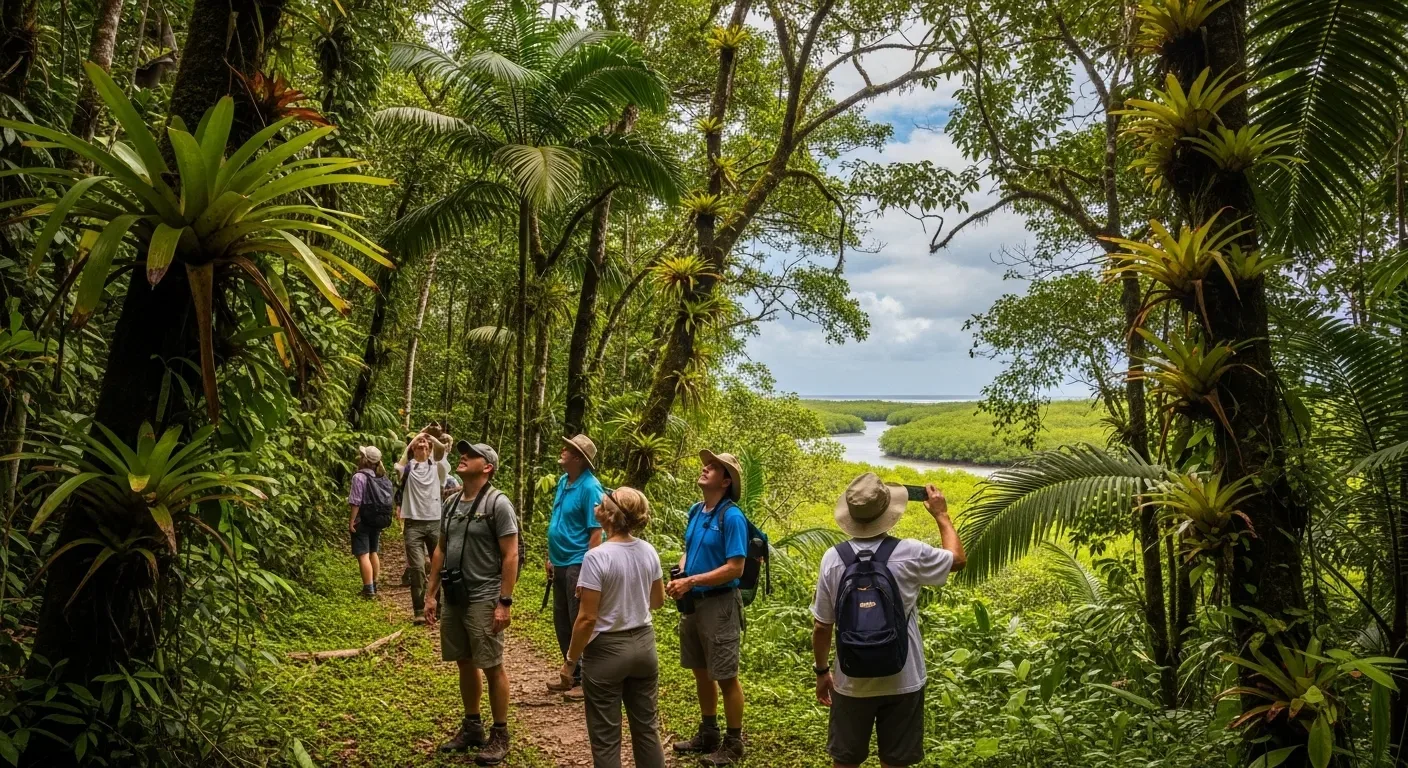
Coastal Darien Explorer Panama Tour Package
From the moment you leave the urban skyline behind, the route unfolds like a time-lapse of Panama’s natural and cultural evolution—modern highways giving way to narrow country roads, forested valleys, and riverside hamlets where life moves with the rhythm of the land. Your Naturalist Guide provides both context and curiosity as you trace this path eastward, setting the stage for the wild and remote experiences ahead.
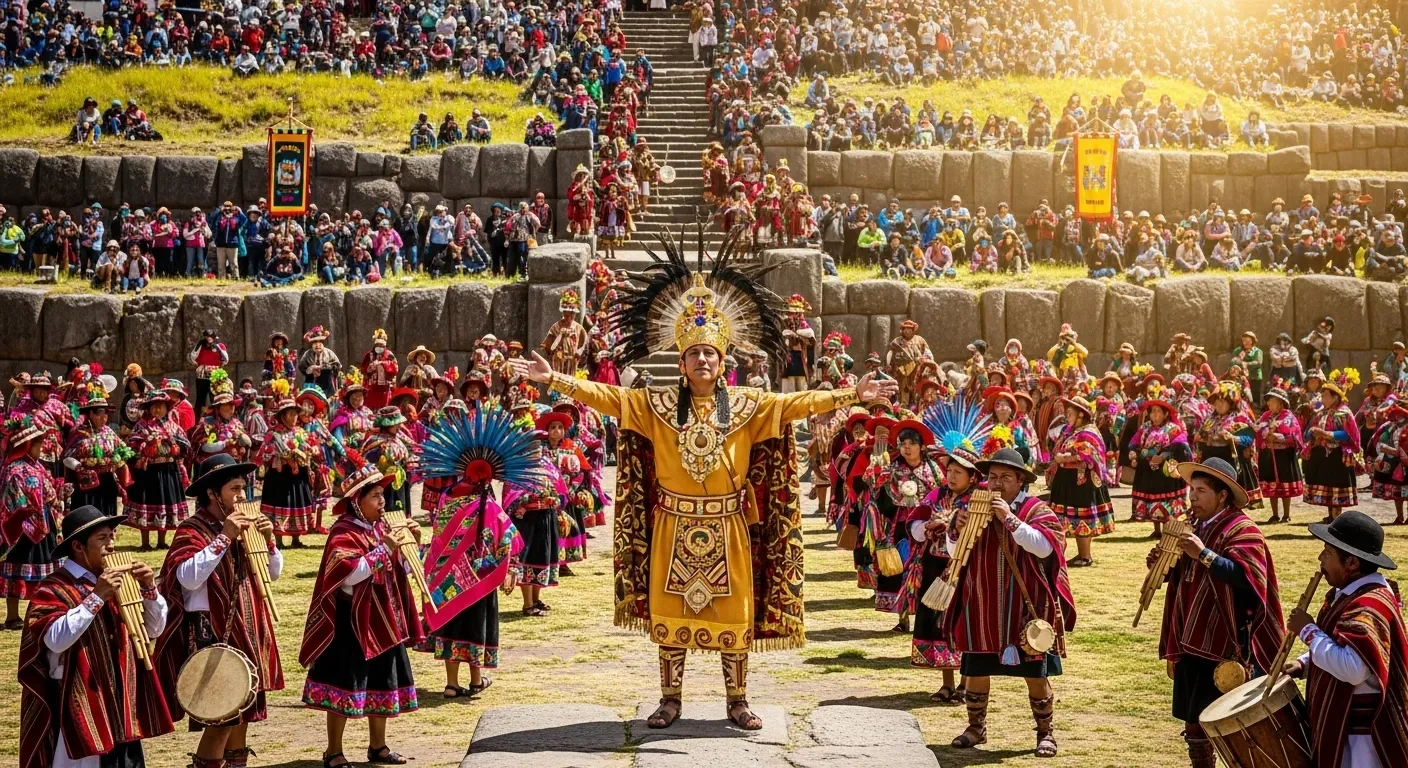
Inti Raymi – Soul of the Andes Festival Experience in Peru
Inti Raymi and Qoyllor’ Ity are two of the most revered festivals in Inca and Andean tradition and take place during the winter solstice in Cusco, Peru. Every year in June, our Soul of the Andes Festival Experience begins and includes breathtaking hikes through the Sacred Valley and Lares region to Machu Picchu.
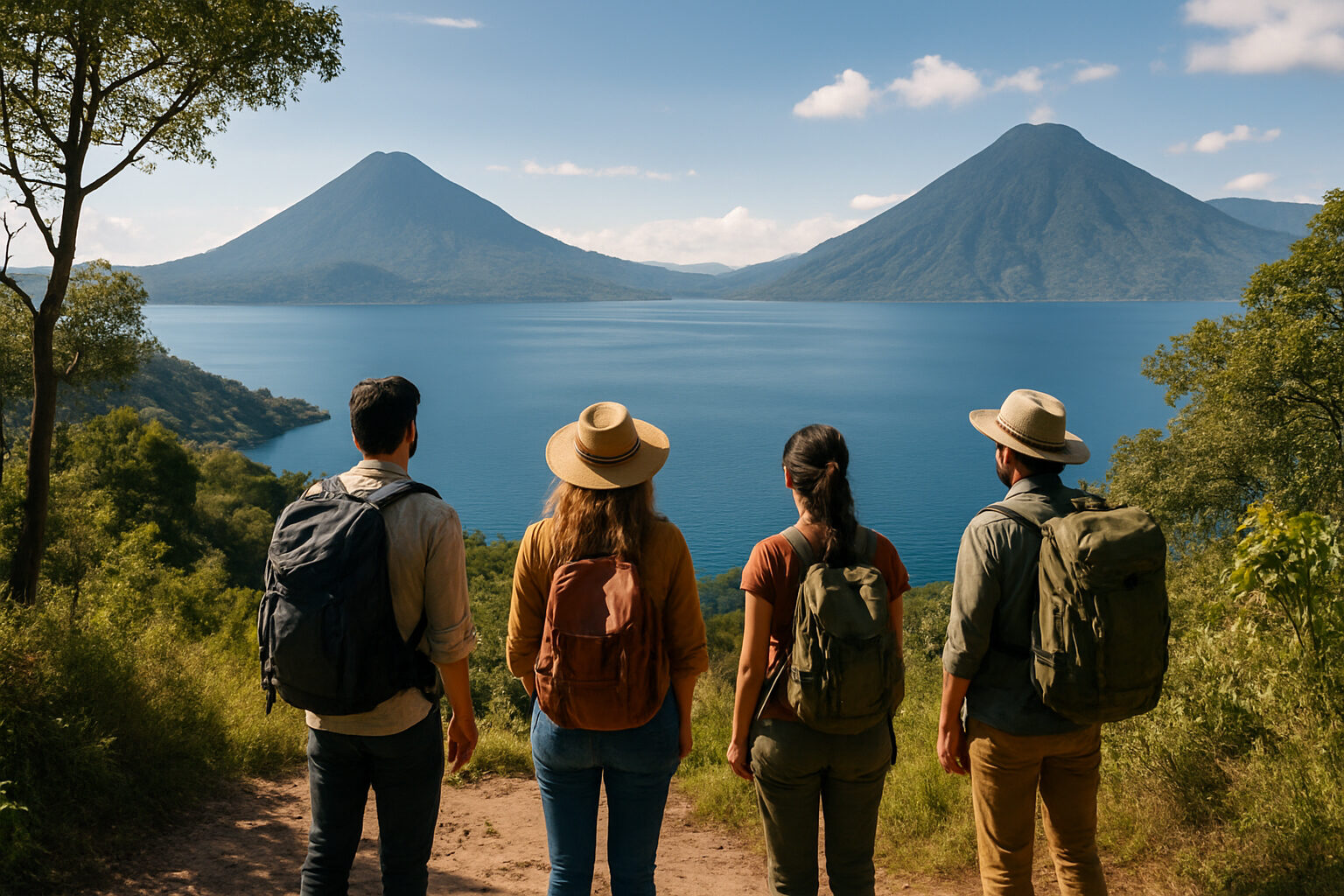
Maya Magic & Mystery Guatemala Tour Package
Along with your private guides you will walk the streets of colonial Antigua, explore the villages of Lake Atitlan, visit the markets of Comalapa and Chichicastenango and tour the Mayan ruin sites of Iximche, Yaxha and Tikal. In addition to our recommended Antigua excursions you can tour the Antigua Valley on foot or mountain bike, visit local artisan workshops or climb the Pacaya Volcano.
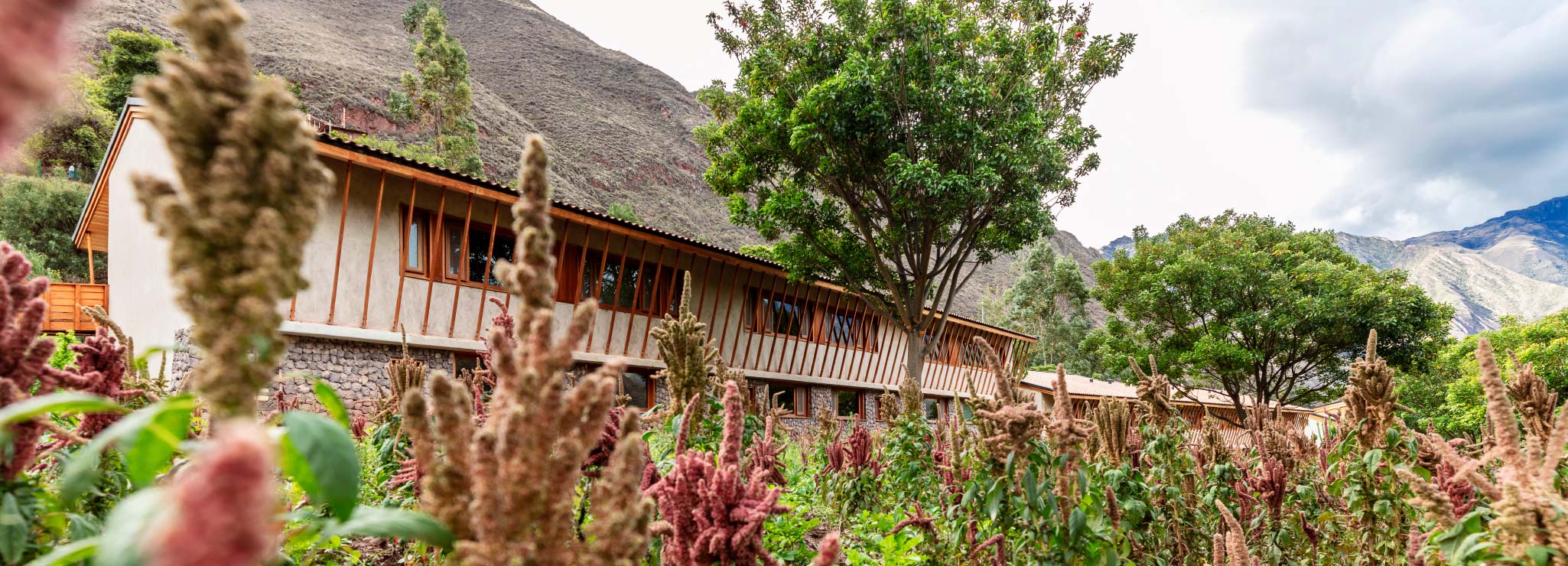
The Sacred Valley & Machu Picchu by explora
explora Valle Sagrado was designed as a headquarters from which to explore a Cusco, Machu Picchu and the Sacred Valley of the Incas. All programs include accommodations, transfers, meals and beverages, and a selection of more than 30 explorations developed by the explora outdoor team.