
Sucre, Potosi, Uyuni Salt Flats Bolivia Tour Package
6 Days - 5 Nights
- Based on Double Occupancy
Visit Sucre, Potosi & The Uyuni Salt Flats in Bolivia for 6D/5N starting at $990.00 per person.
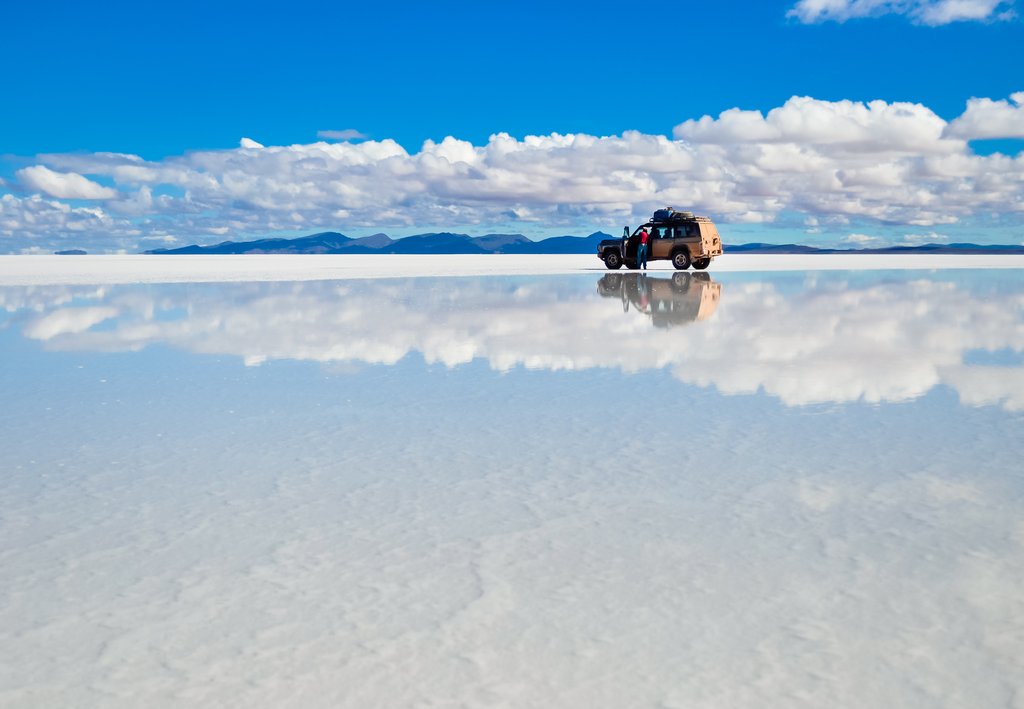
Uyuni Salt Flats (Salar de Uyuni)
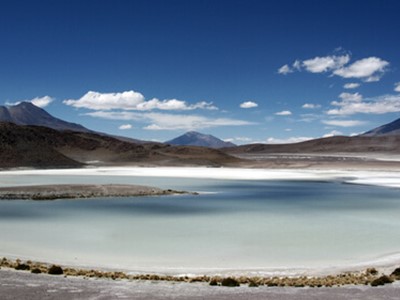
The Uyuni Salt Flats in southwestern Bolivia are the largest salt flats on Earth, covering over 10,582 square kilometers. Formed from the evaporation of a prehistoric lake, this vast white expanse lies at an altitude of 3,656 meters above sea level on the Altiplano plateau.
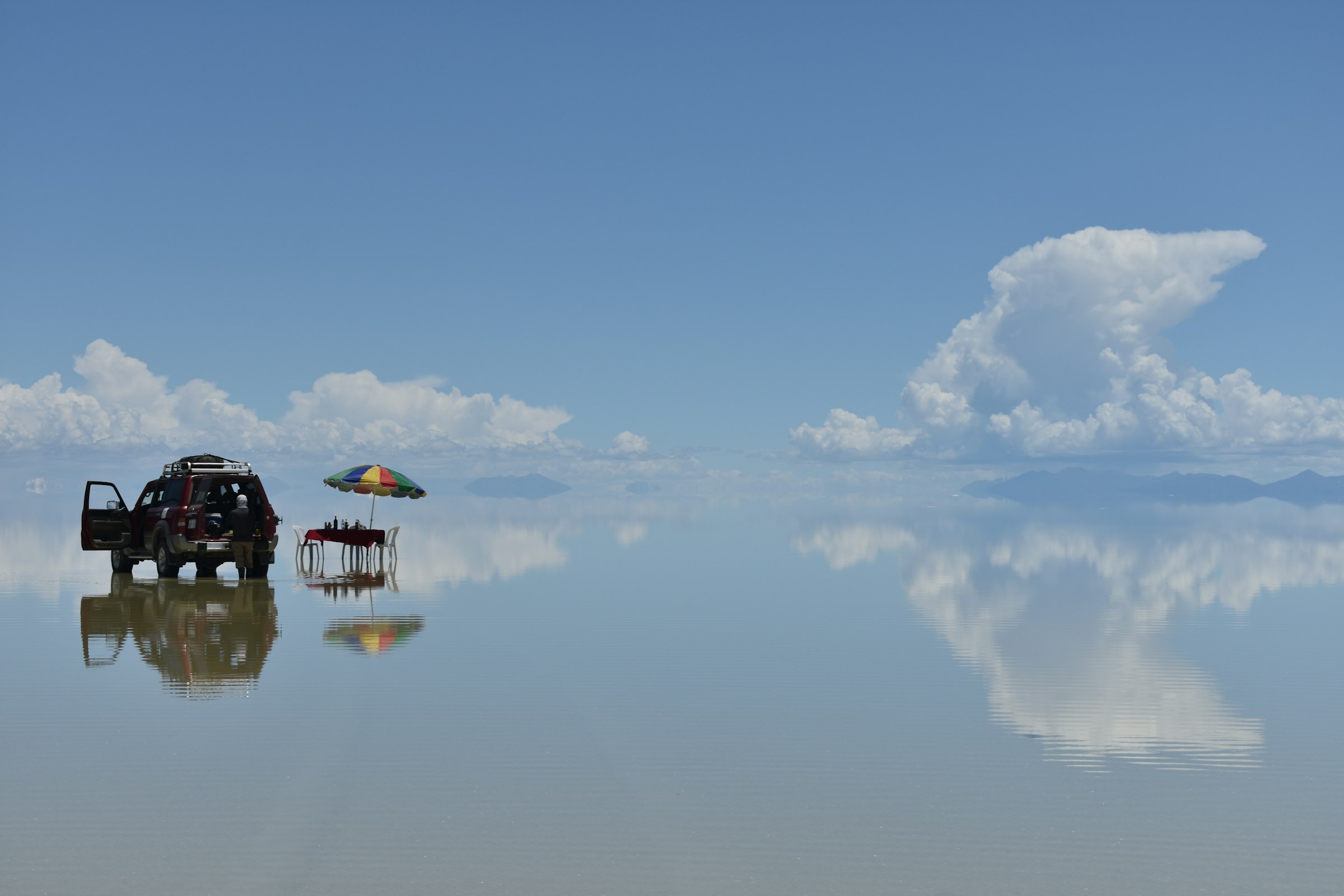
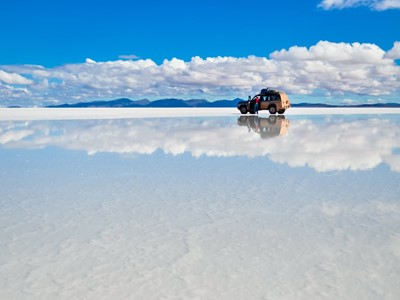
During the rainy season, a thin layer of water transforms the flats into the world’s largest natural mirror, creating surreal reflections of the sky. The flats are so flat and expansive that NASA uses them to calibrate satellite altimeters. Beneath the surface lies one of the world’s richest reserves of lithium, a key component in modern batteries.
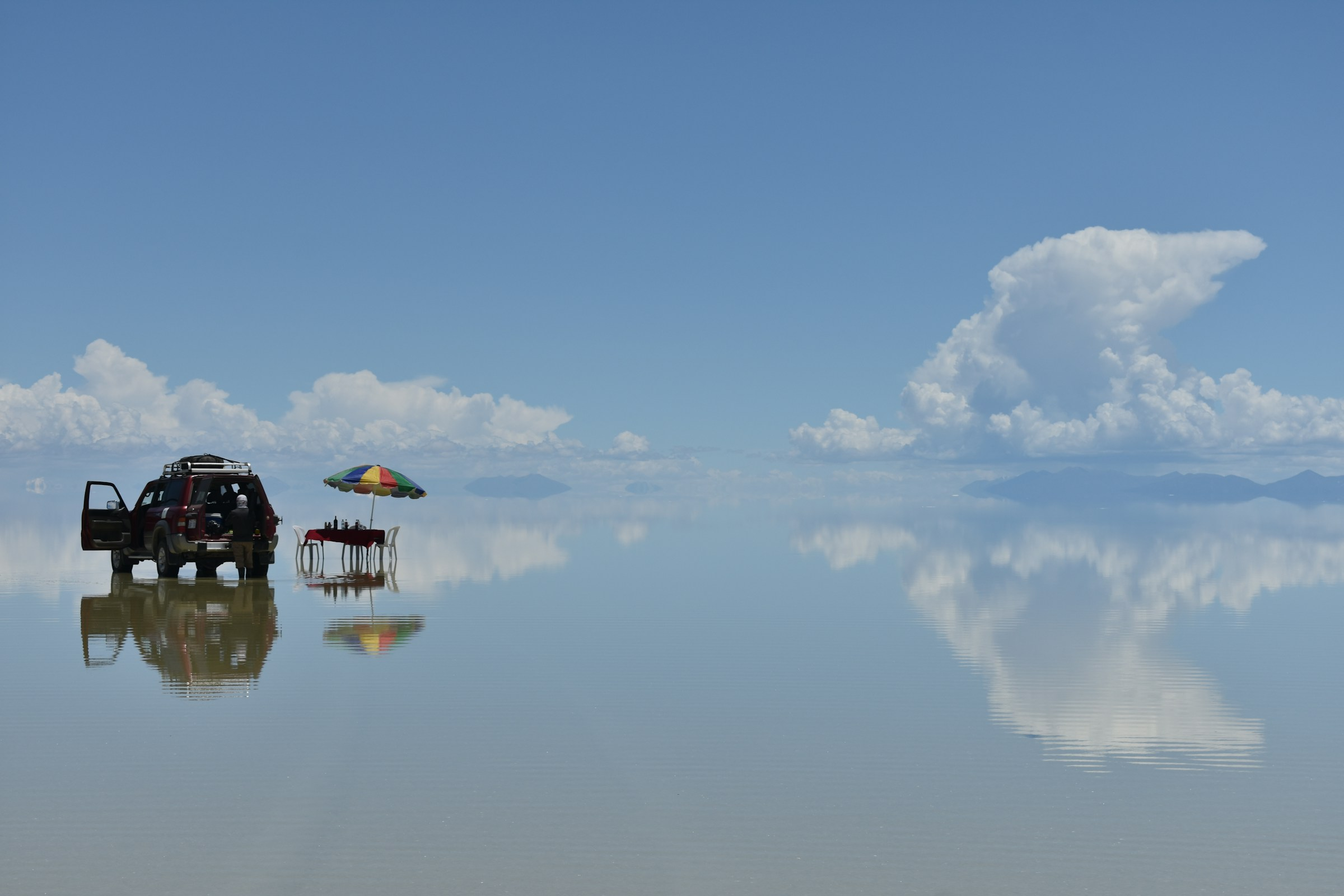
Visitors often explore the area in 4×4 vehicles, stopping at unique sites such as the train graveyard, the cactus-covered Isla Incahuasi, and salt hotels constructed entirely from blocks of salt.
Sucre – UNESCO World Heritage City
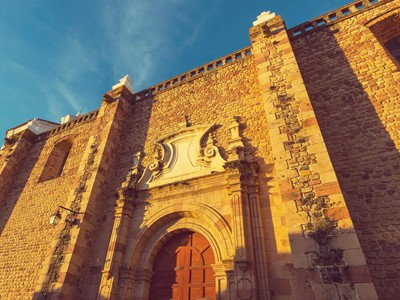
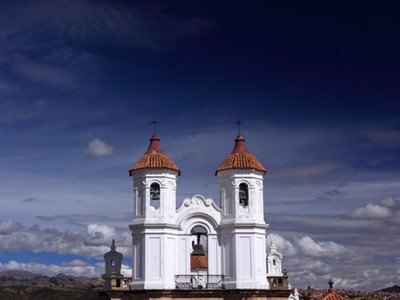
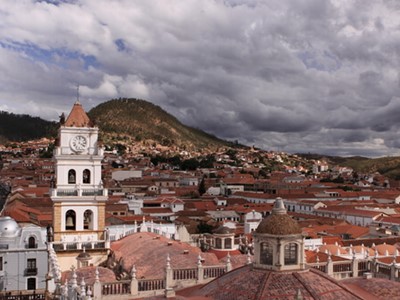
Sucre, Bolivia’s constitutional capital, is a beautifully preserved colonial city recognized as a UNESCO World Heritage Site since 1991. Known as the “White City” for its whitewashed buildings and elegant architecture, Sucre offers a glimpse into Bolivia’s colonial past.
It was here that Bolivia’s independence was declared in 1825, making the city a symbol of national identity. Sucre is also home to Cal Orck’o, a nearby cliff face that contains one of the world’s largest collections of dinosaur footprints.
Potosí – UNESCO World Heritage City
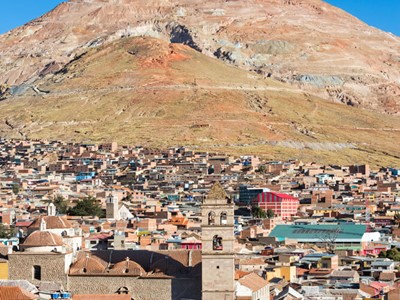
Potosí, once one of the wealthiest cities in the world, was designated a UNESCO World Heritage Site in 1987. Its prosperity was built on the immense silver reserves of Cerro Rico, the mountain that looms over the city.
The city features over 2,000 colonial-era buildings, including the Royal Mint (Casa de la Moneda), ornate churches, and grand mansions. Potosí’s urban layout reflects a rare integration of mining infrastructure with colonial urban planning, offering a unique example of early industrial development.
The Silver Mines of Potosí (Cerro Rico)
Cerro Rico, or “Rich Mountain,” is the legendary source of Potosí’s silver wealth. Discovered in 1545, the mountain produced an estimated 60,000 tons of silver, fueling the Spanish Empire’s economy for centuries.
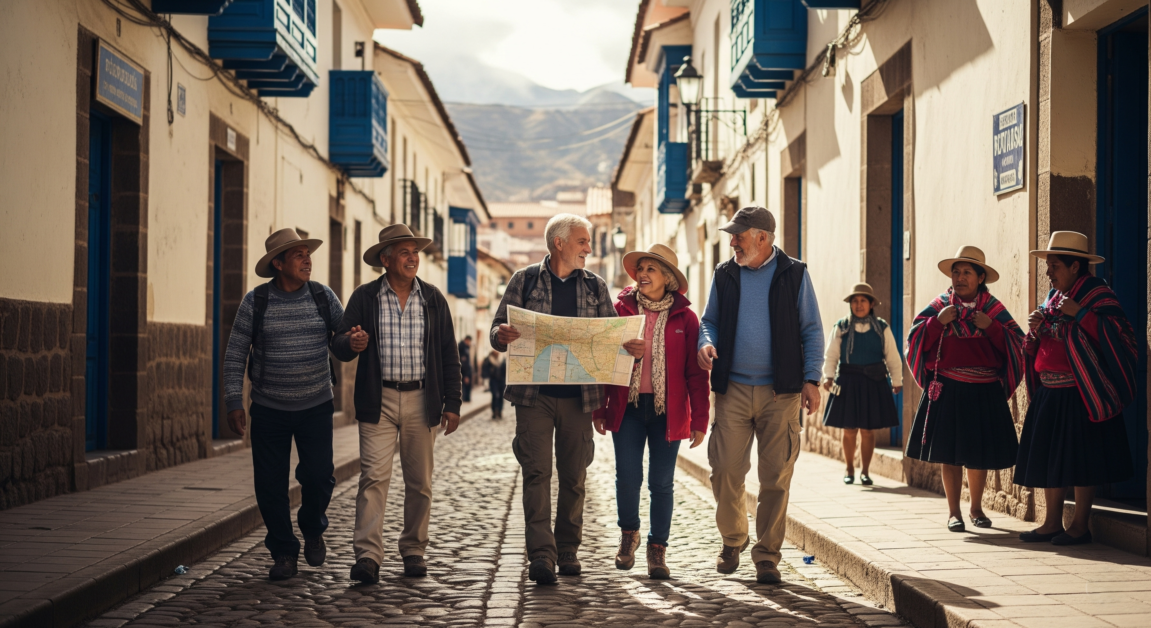
The mining complex was among the largest in the world during the colonial era, featuring hydraulic mills, aqueducts, and artificial lakes. However, this wealth came at a tremendous human cost—millions of Indigenous and African laborers were forced to work in brutal conditions, many losing their lives in the process.
Today, the mines are still active, primarily extracting tin and zinc. Visitors can tour the tunnels and learn about the miners’ lives, including their rituals to “El Tío,” a protective spirit believed to inhabit the underground world.
Lost World Adventures itineraries can be tailor-made according to your plans and preferences: budget, hotel selections, travel dates, optional excursions, length of trip, etc.
Day 1 : La Paz – Uyuni
Hotel pickup and transfer to the La Paz Airport for your flight to Uyuni. Airport reception and transfer to your hotel.
Overnight Los Jardines de Uyuni Hotel.
Optional upgrade to one of the Salt Hotels in Colchani – Palacio de Sal or the Luna Salada – at additional cost.
Day 2 : Uyuni Salt Flats
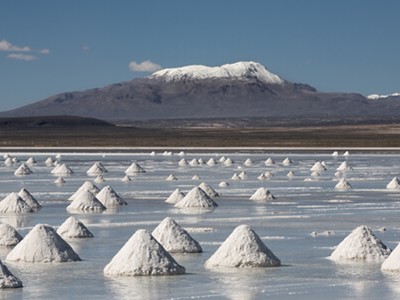
Trip to the village of Colchani where you will observe locals producing salt. Enter the salt flats, a natural wonder of nature with over 10,000 km2, crossing to “Isla Incahuasi” (2 hours), a special habitat of volcanic rock and giant cacti.
Then north to see the mummies of Coquesa in the foothills of the Tunupa Volcano. Return to Uyuni (2 hours). Breakfast and lunch included today. Overnight Los Jardines de Uyuni Hotel.
Day 3 : Uyuni – Potosi
The bus trip crosses branches of the Andes Range with spectacular landscapes, old mines and Indian villages to Potosi (4 hours). Potosi is a UNESCO World Heritage site preserving over 400 years of history.
In the city you will find narrow streets and a mix of baroque, gothic and indigenous architecture, historic monuments, such as plazas, churches and convents which illustrate an intact and well-preserved style of architecture that blends baroque with the local indigenous traditions.
In the afternoon you will tour the colonial city, seeing colonial churches and the local market, the Mint House (on Thursdays) or Santa Teresa church and museum (on Sundays). Breakfast included today.
Overnight Santa Teresa hostel.
Day 4 : Potosi – Sucre
Visit a mine to see remains of the silver production in the famous Silver Mountain. Afternoon bus to Sucre (3 hours), a nice colonial city set in the lower valleys.
Located at 8,500 feet, Sucre is the official capital of Bolivia, a UNESCO World Heritage Site and its most beautiful colonial city.
Previously called Charcas, and then Chuquisaca, before finally being renamed Sucre, this is the city where Simón Bolivar founded Bolivia and wrote the Bolivian constitution, after defeating the Spanish Army in the mid-1820s. The city has important historical monuments like the Liberty House, the former National Congress, old monasteries, and temples.
Sucre is an open book of historical events between 1640-1850 that influenced new republics in other Andean countries. Going back even further, to prehistoric times, you can also visit a rich assortment of newly discovered dinosaur tracks and fossils. Besides being of historical interest, this is also an important cultural center with colonial and textile museums, as well as one of the first universities in America, the University of San Francisco Javier, which is older than Harvard.
The rich textile traditions (weavings) of this area, centered around Tarabuco, are another very popular attraction. The lovely subtropical weather enhances Sucre´s special ambiance for international tourists. Days are sunny with bright blue skies and the nights are filled with stars. Breakfast included today. Overnight in Sucre at the Casa Kolping.
Day 5 : Sucre
You will be met at your hotel by your guide and start the half-day city tour through the most beautiful city in Bolivia and a World Heritage Site.
This tour will visit the cathedral and church of la Recoleta and its museums, the cemetery, and the Indian Textile museum of ASUR. Afternoon at leisure. A walk around Sucre’s downtown area is recommended. There are nice plazas, cafés, restaurants, and also three chocolate factories. Breakfast included today. Overnight at Casa Kolping.
Day 6 : Sucre – La Paz
Hotel pickup and transfer to the Sucre Airport for your flight to La Paz.
Scan this QR code to visit this page with your mobile device:

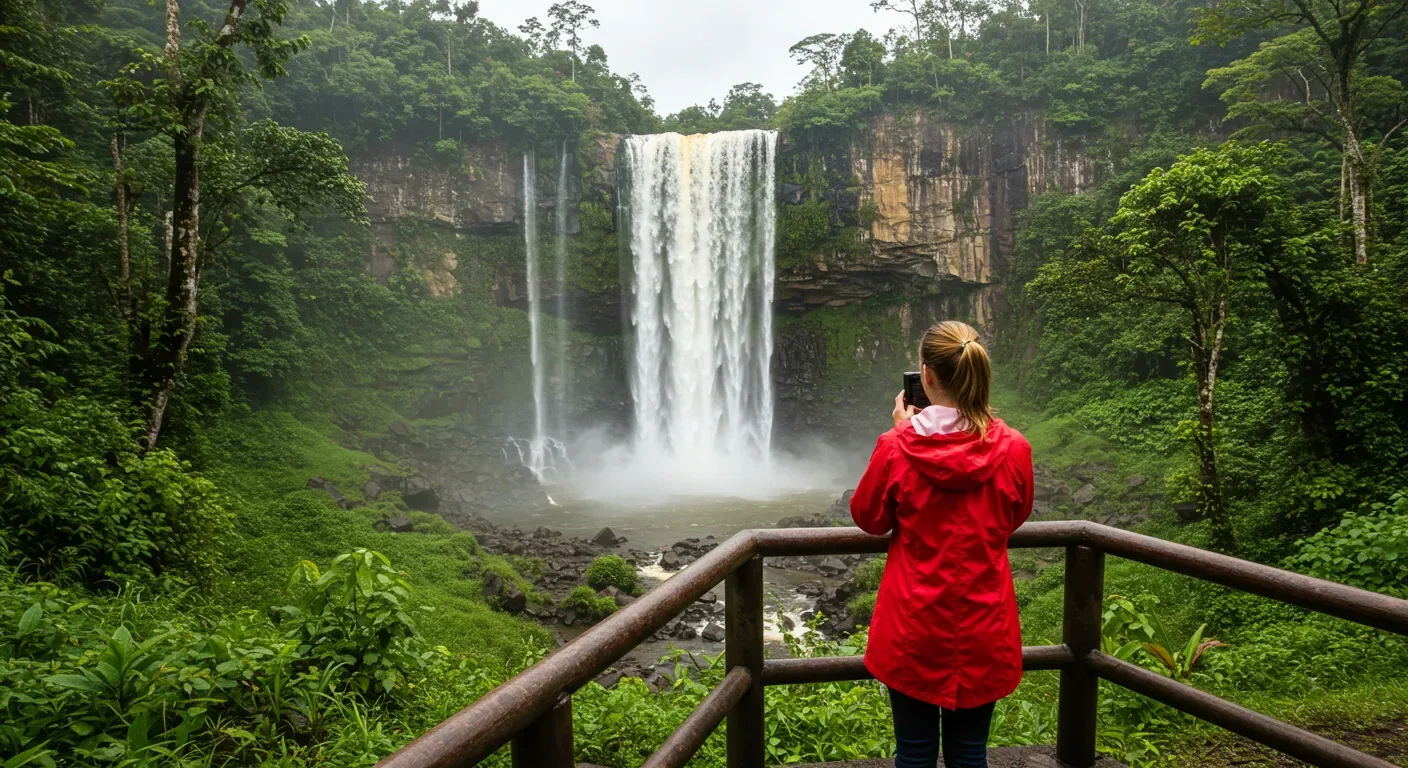
Discovering the Hidden Guianas Travel Package
Across the northern shoulder of South America lies a region few travelers truly know: the Guianas. Defined by rivers, rainforest, and centuries of cultural blending, Suriname, French Guiana, and Guyana form a trio of destinations that defy easy comparison. On this journey designed by Lost World Adventures, you’ll explore three distinct countries linked by geography but shaped by entirely different languages, traditions, and histories.
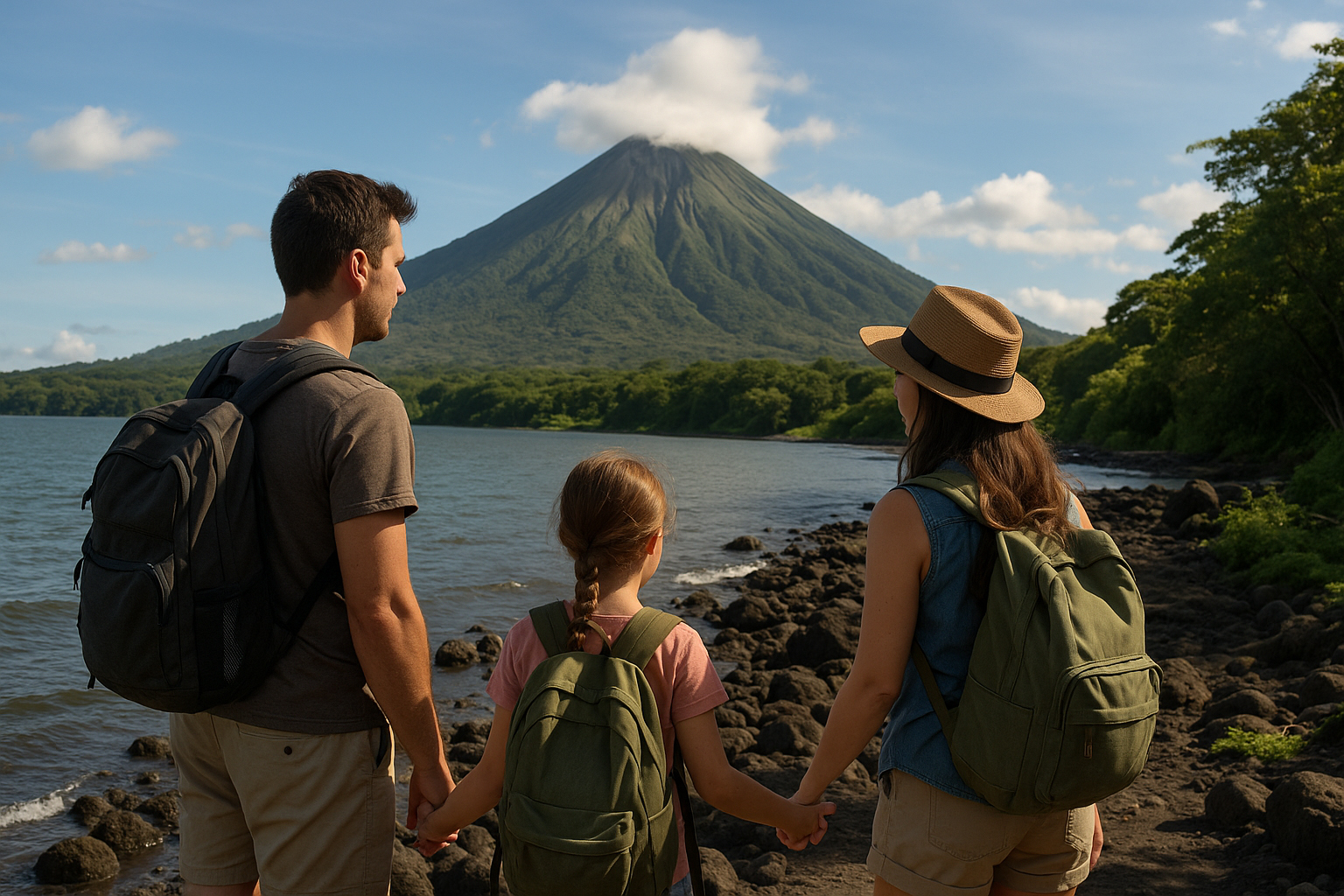
Nicaragua Family Adventure Tour Package
After your first night in Managua you will transfer to Leon for a two-night stay in the original and historic capital of Nicaragua. Climb the Cerro Negro Volcano (with optional sandboarding) and visit the Juan Venado Wildlife Reserve. On the transfer to Granada you will make stops at the Montibelli Wildlife Reserve and Masaya Volcano National Park.
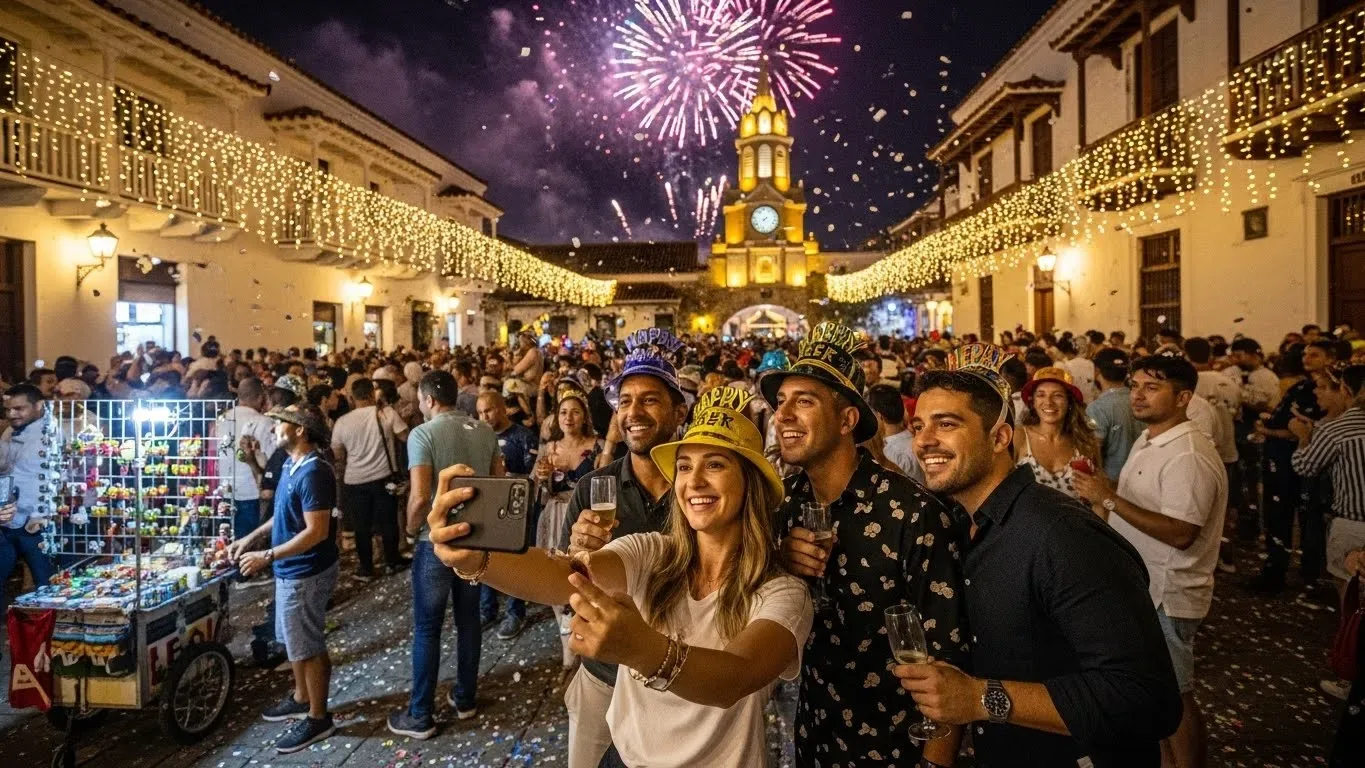
New Year’s in Cartagena Colombia
Escape the grey winter weather and head south to this small colonial city on the Caribbean Sea, replete with exquisite restaurants, breathtaking hotels, stunning colonial villas, and an endless array of parties.

Argentina Lakes Crossing to Chile Tour
Begin your trip with two nights in Buenos Aires and a day to explore the city. In addition to our 'Four Balconies of Buenos Aires' tour you can explore the Parana River delta or take in a tango dinner show.