
Paraguay is a land of mystery—and, for the adventurous traveler, unrivalled opportunity.
Long closed off to the world by a string of absolute dictators, Paraguay was for centuries South America’s biggest question mark. Now its marvels are open to those curious about its folkways, which are surely among the most offbeat in Latin America.
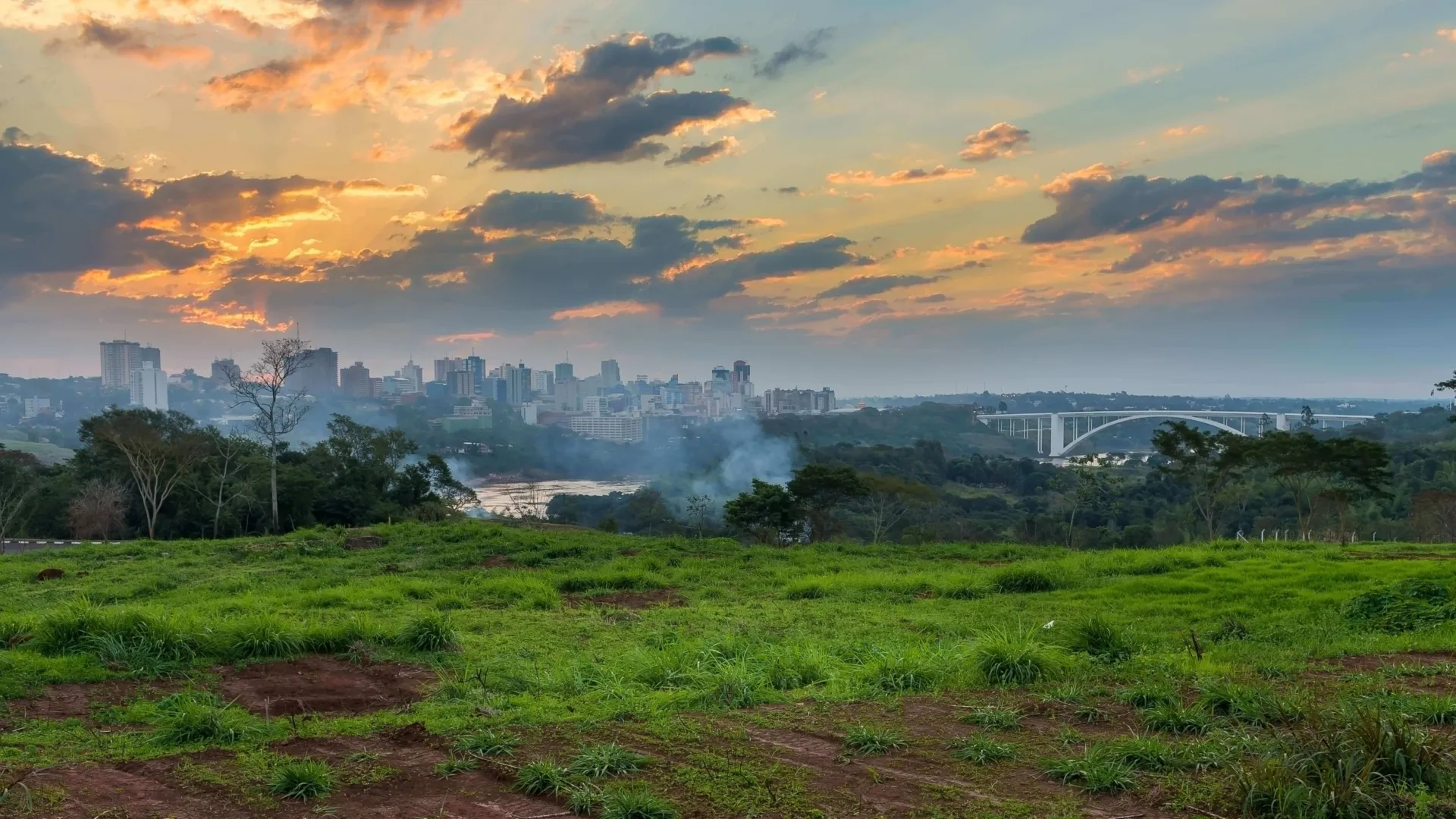
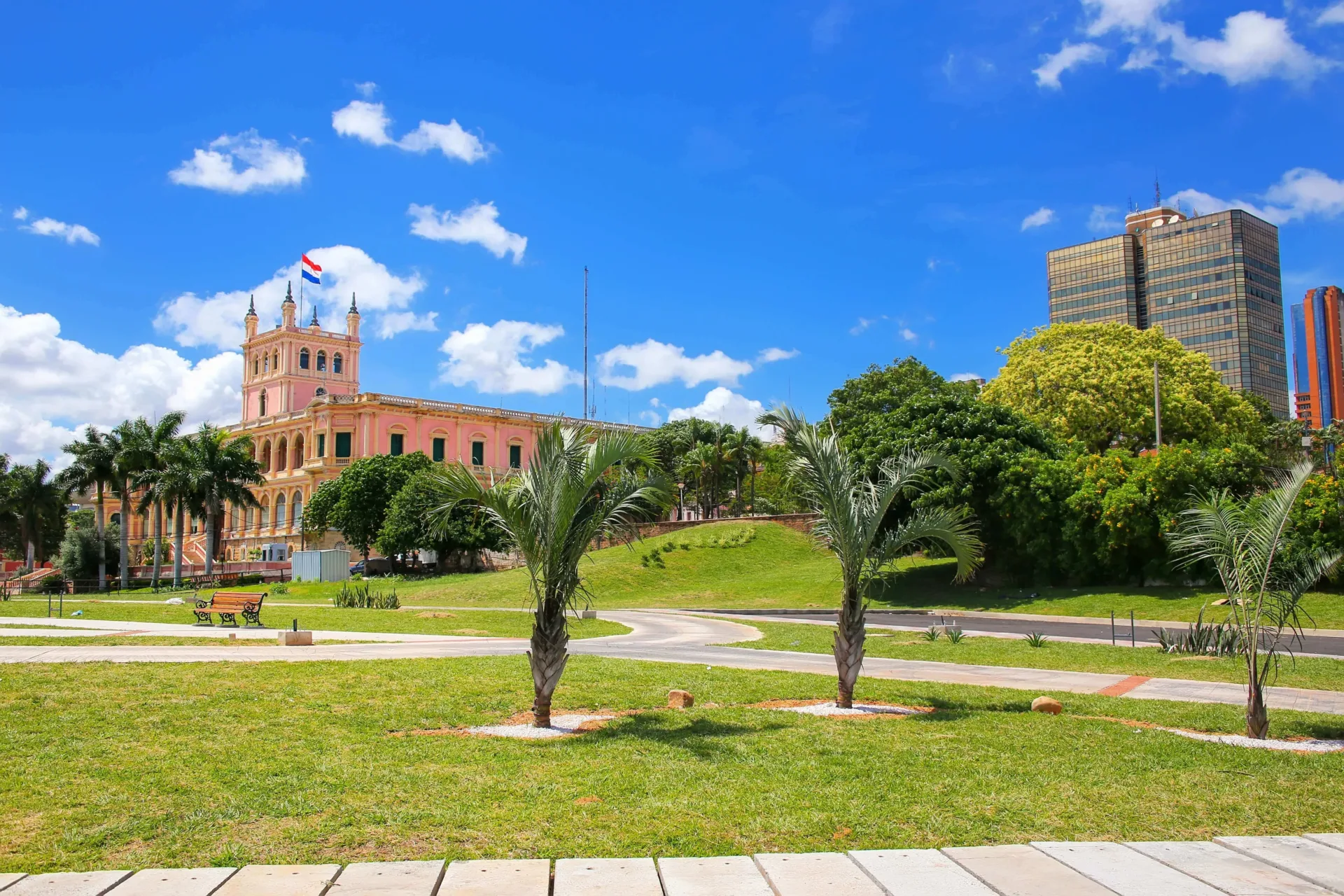
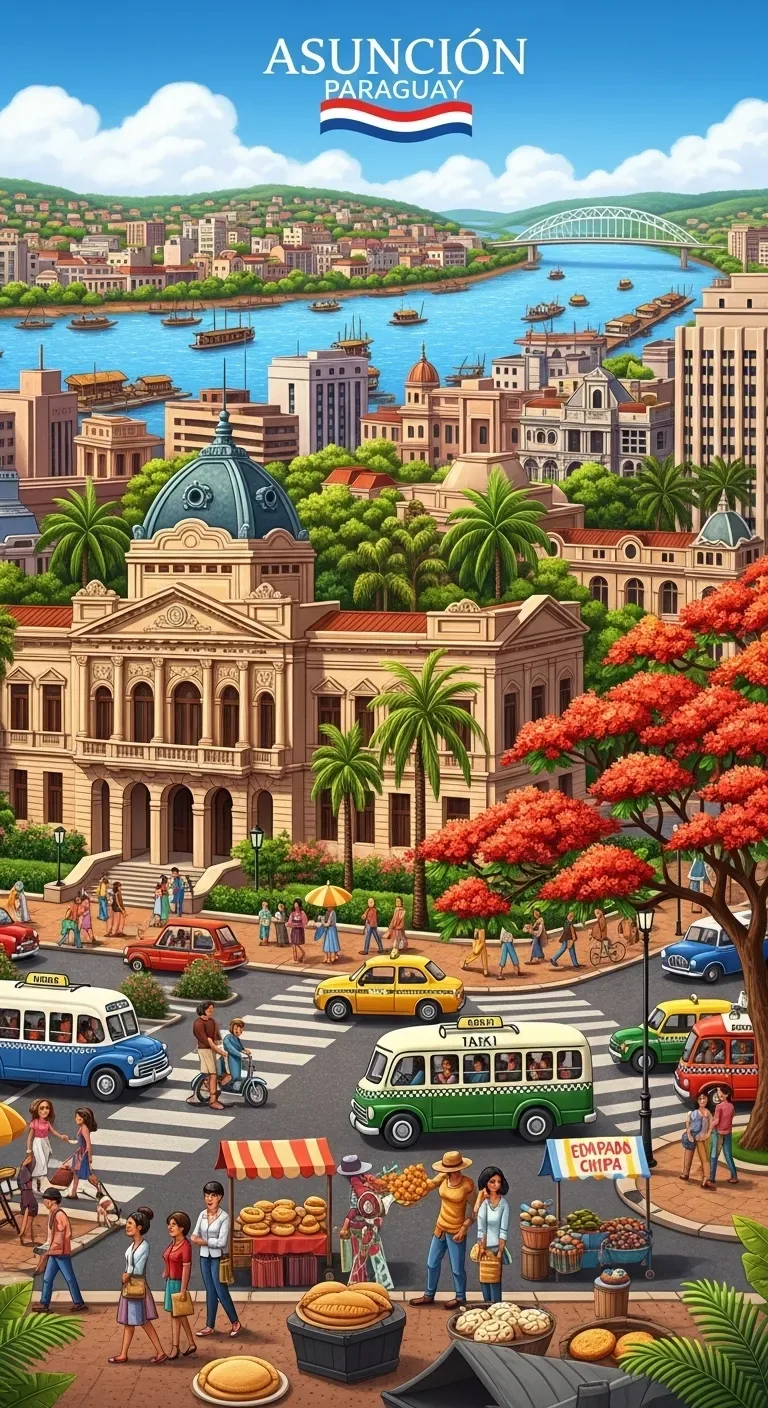
Your odyssey starts in Asunción, the capital, with its wedding-cake palaces and armies of Mercedes Benzes. It continues in provincial towns like Encarnación, site of a Carnival celebration lively enough to rival Rio’s (complete with spray snow). And it climaxes on the Paraná River, home to some truly earth-shaking falls, as well as a dam that’s one of the Seven Engineering Wonders of the World.
Here’s a taste of what you’ll discover in South America’s most exotic destination:
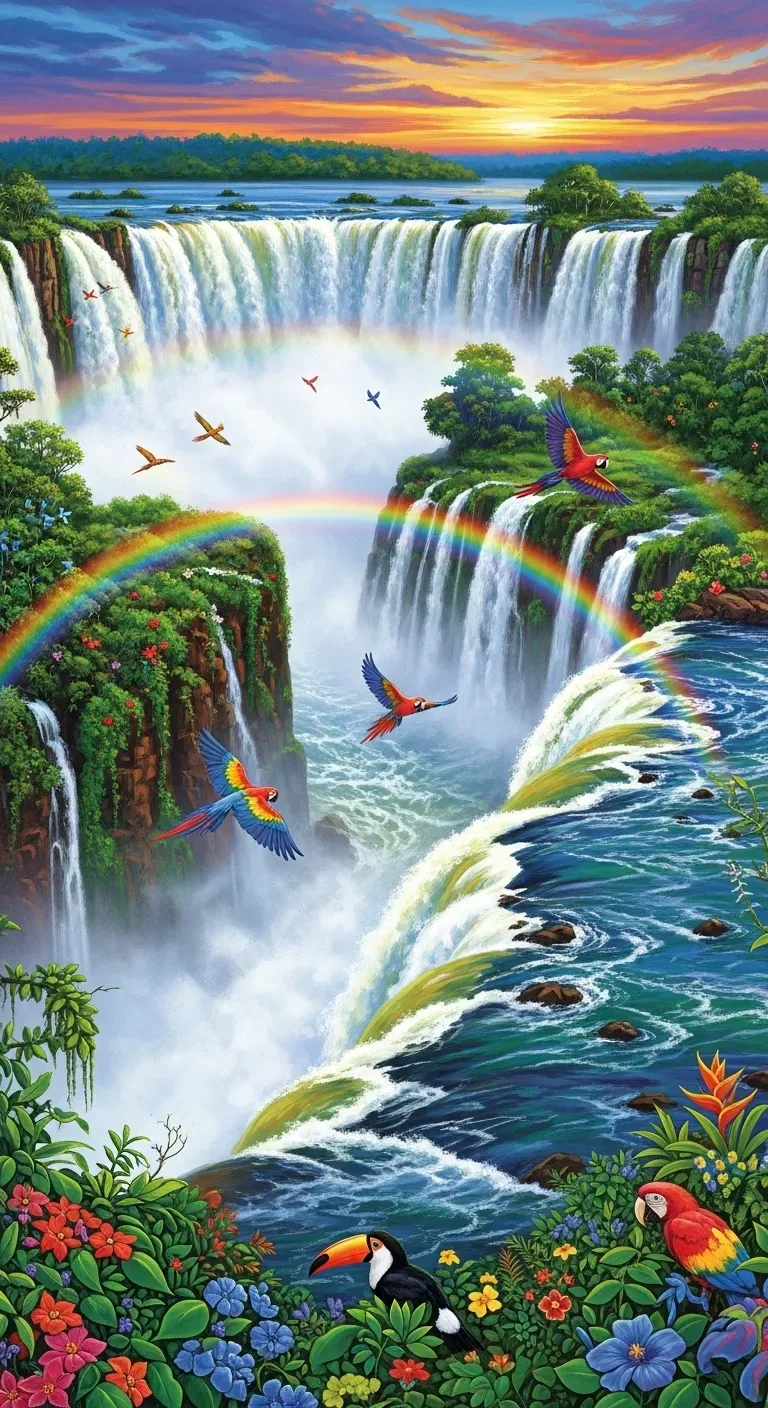
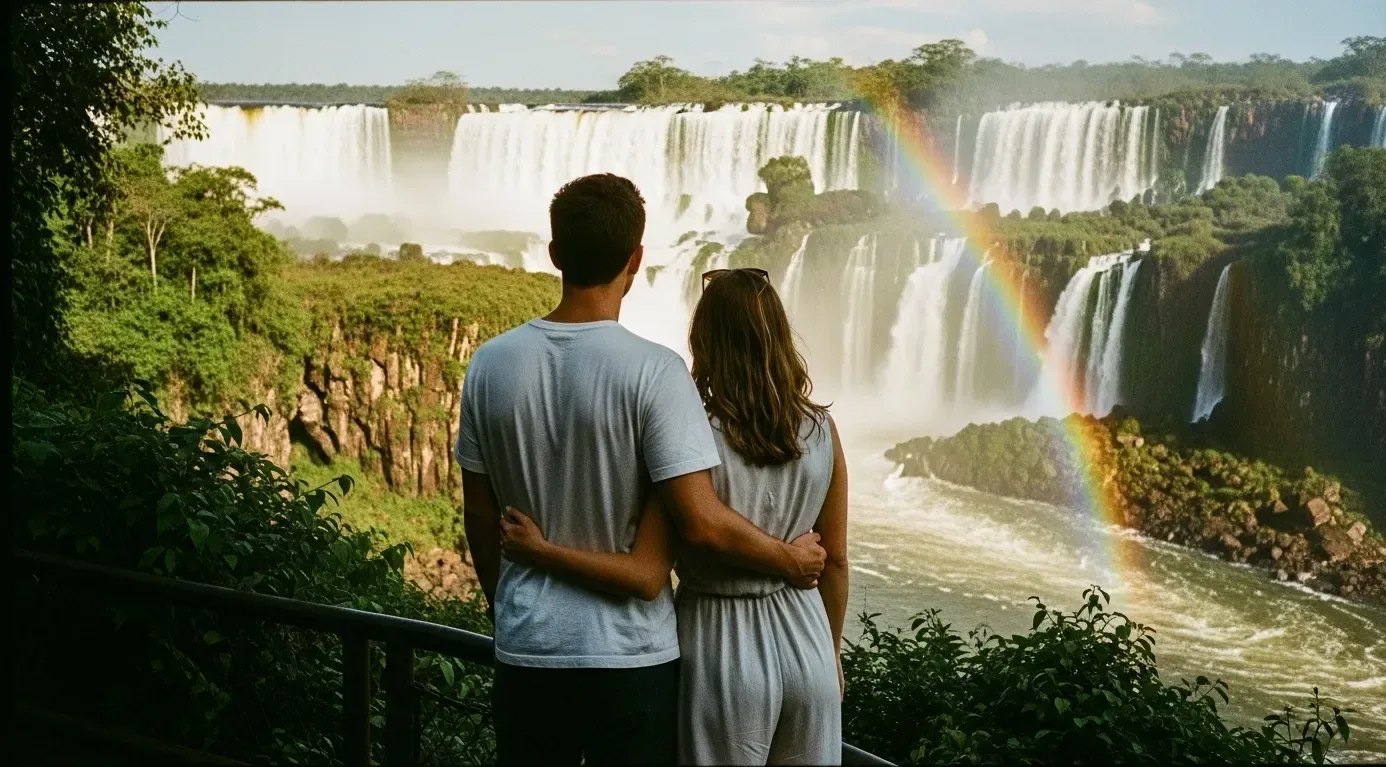
Iguazú, with some 300 cascades, is one of the most massive waterfall systems on the planet. The Garganta del Diablo (“The Devil’s Throat”), its most dizzying spot, trembles as 47,000 gallons of water roar by per second—a rush that prompted Eleanor Roosevelt to quip, “Poor Niagara.”
Looking for wildlife? Ybicuí National Park is bursting with it, from peccaries and capuchin monkeys to exotic butterflies. When you want to cool off, take a dip in one of its many natural pools.
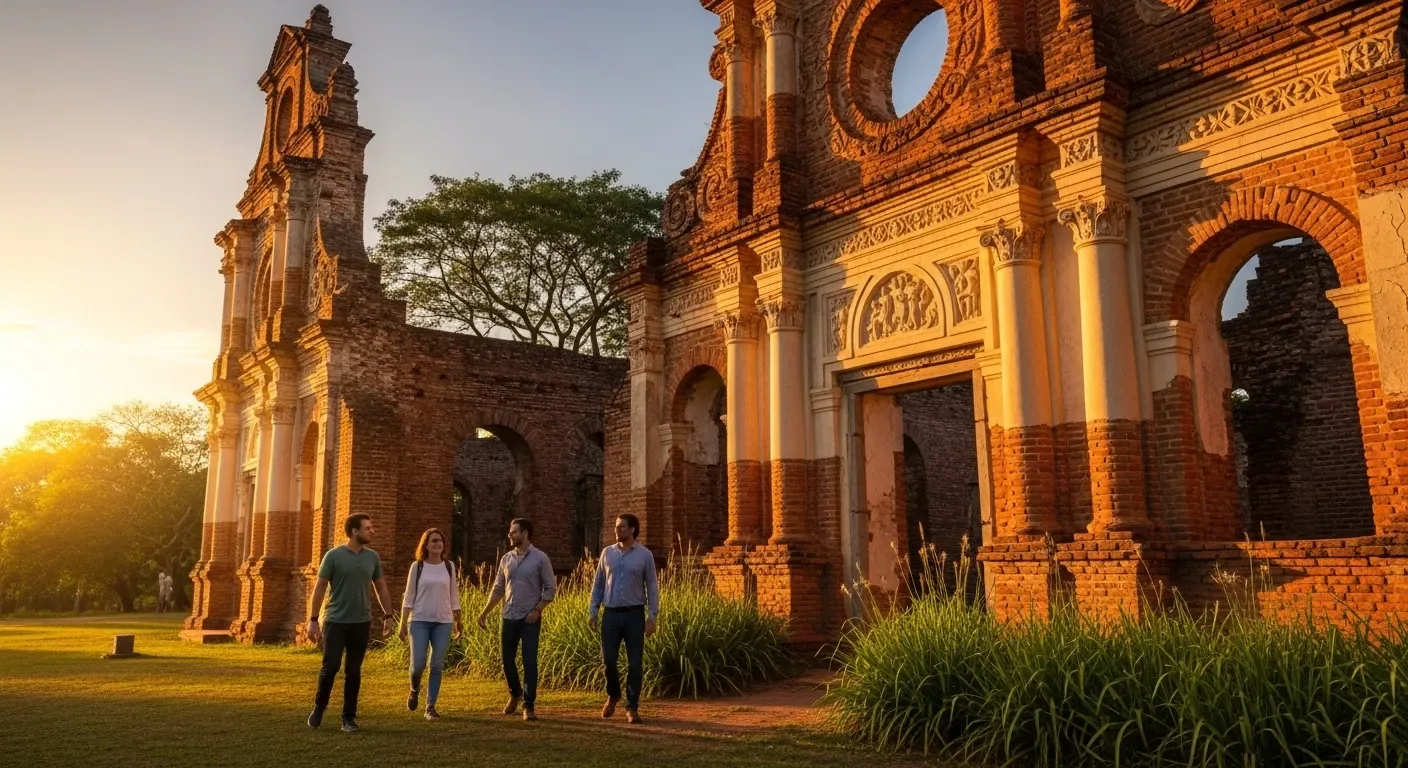
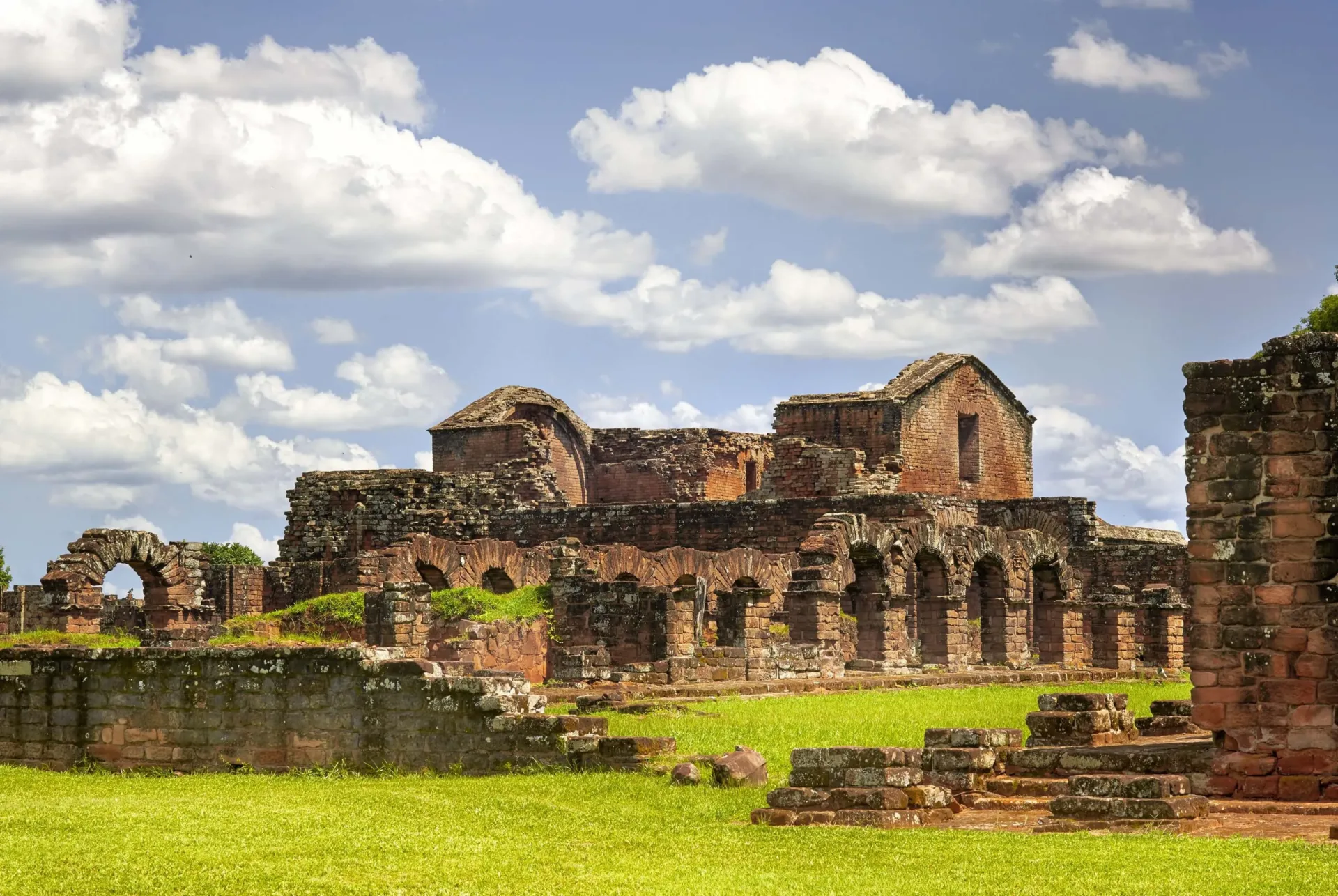
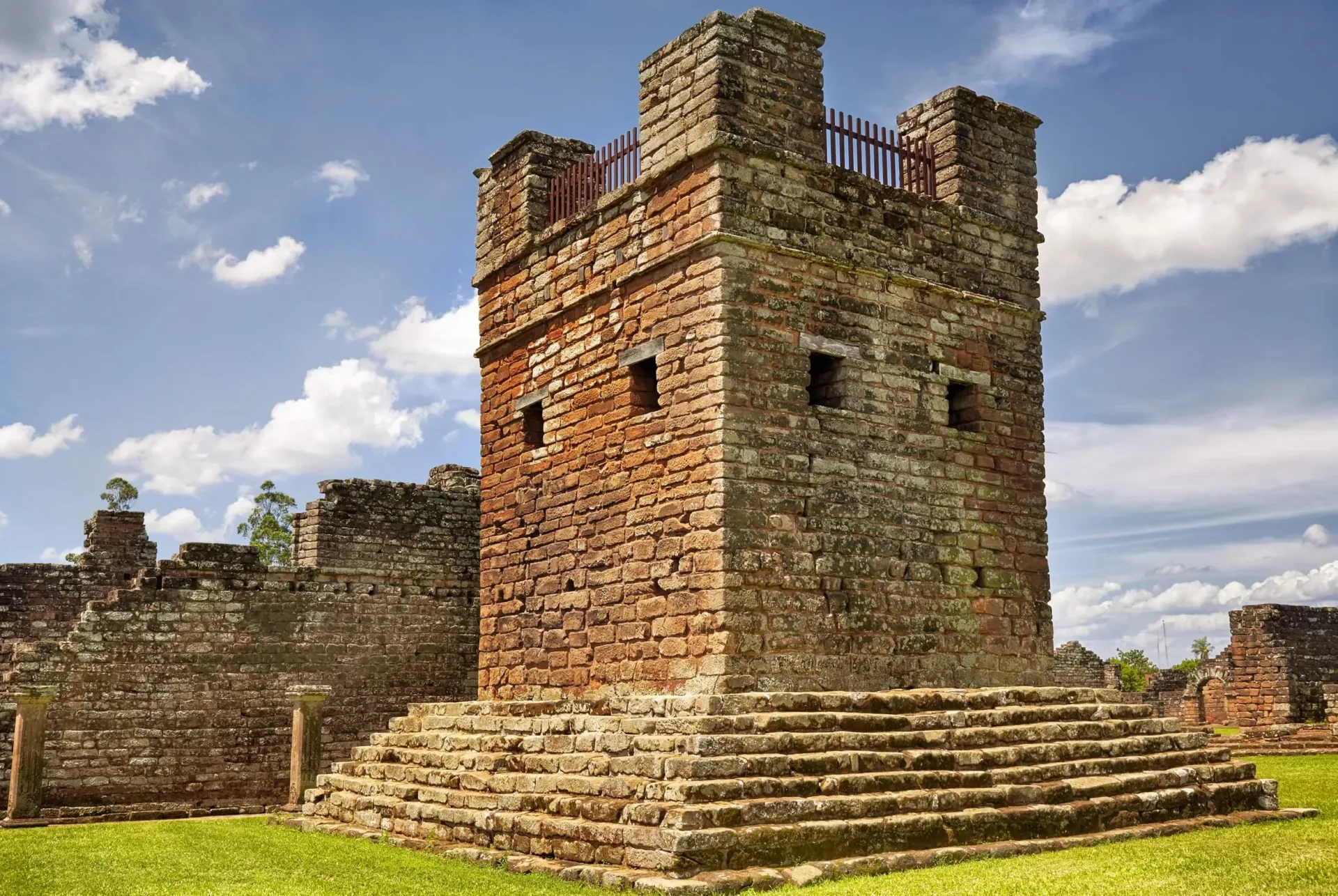
In the 18th century, Jesuit missionaries built self-contained communities to educate the Guaraní natives. Today, the ruins of those towns are a haunting reminder of colonialism—and a UNESCO World Heritage site.
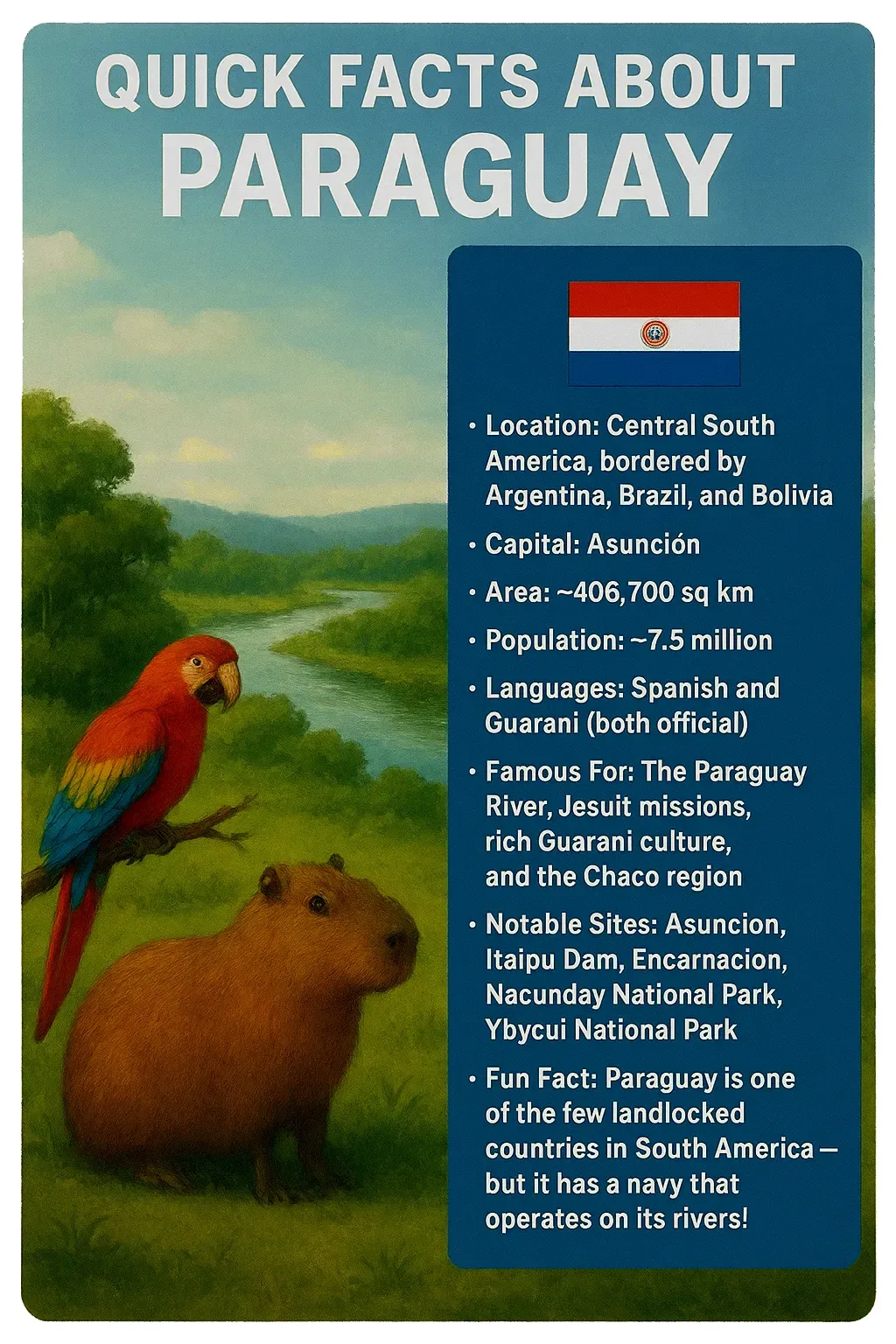
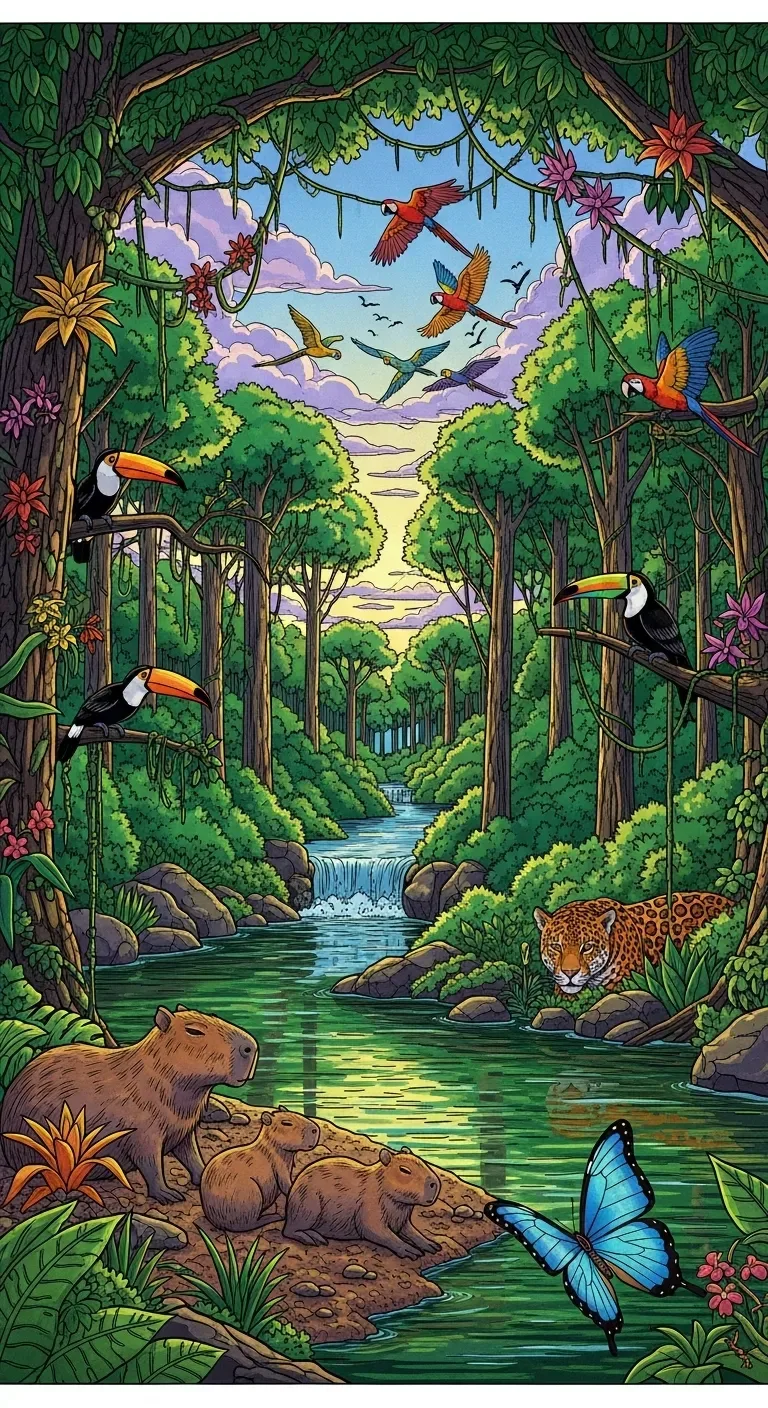
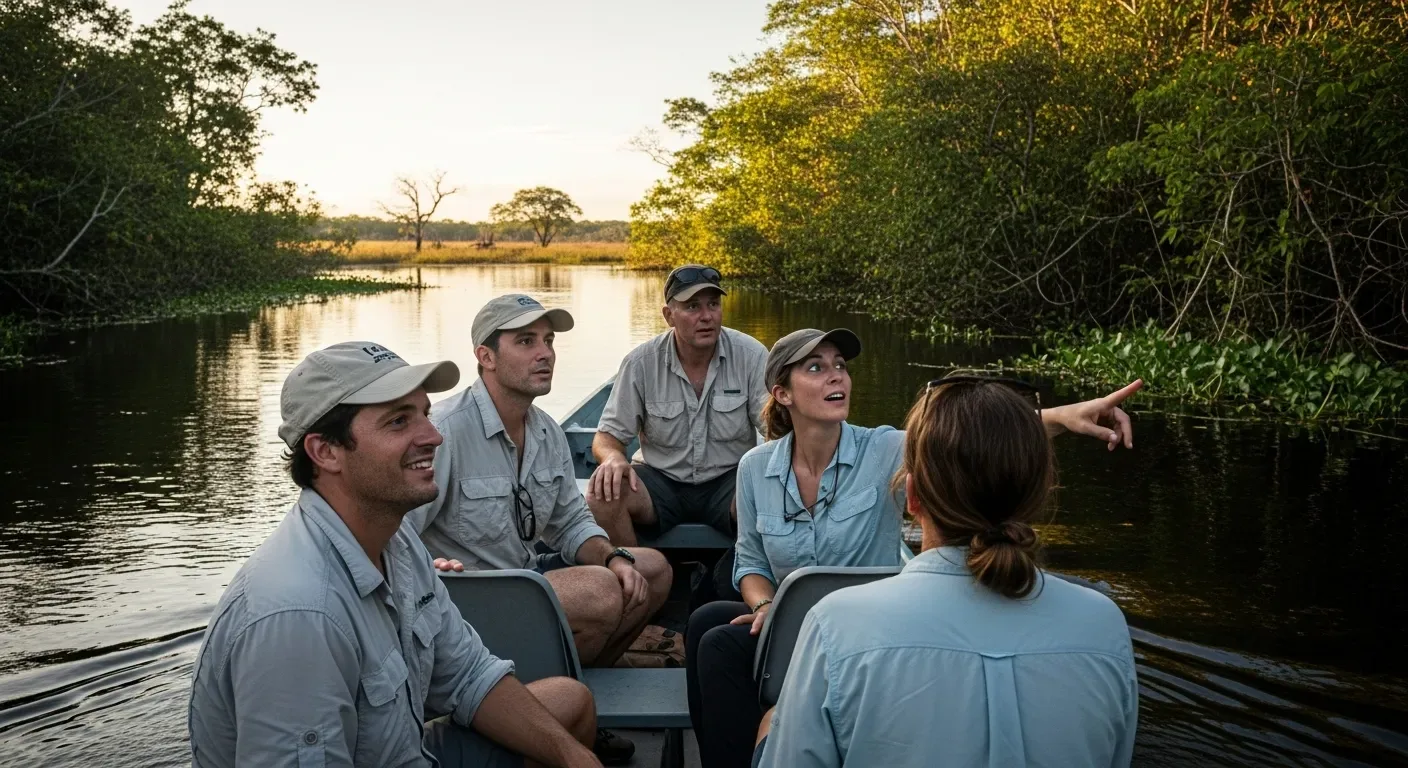
Where the wild things are: The Pantanal, the world’s largest tropical wetland, is situated on Paraguay’s border with Brazil. Caimans, anacondas, capybaras, and jaguars are its chief residents, making it one of the most biodiverse preserves in the Americas.
Beyond the natural and historical treasures, Paraguay’s culture hums with contradictions—European refinement meets indigenous resilience. The Guaraní language is spoken as widely as Spanish, heard in markets, classrooms, and love songs played on the Paraguayan harp. Craft traditions run deep: handmade ñandutí lace, delicate as a spiderweb, and vibrant ao po’i textiles are found in nearly every town.
Venture to the Chaco, Paraguay’s vast western frontier, where the landscape shifts to thorn scrub and red earth. It’s home to Mennonite colonies that farm the desert and Indigenous groups who still live much as they have for centuries. The sense of remoteness is profound—so is the silence.
For those who crave discovery over comfort, Paraguay rewards curiosity with authenticity. Here, tourism feels unfiltered, landscapes unspoiled, and the welcome disarmingly sincere. It remains South America’s least-visited gem—one that keeps its secrets until you arrive to uncover them yourself.
Customized Paraguay Adventures
Asuncion and Iguazu Falls Paraguay Tour
This itinerary traces a route from Paraguay’s historic capital to one of the natural wonders of the world, offering a concise yet immersive journey through culture, history, and spectacle. Beginning in Asunción, you’ll settle into a city that balances the charm of colonial plazas with the vitality of a modern metropolis. The leisurely pace on your first evening allows time to adjust before diving into the heart of Paraguayan heritage.