
Nazca Lines Peru Travel Itineraries and Places to Stay
Paracas is a small port town on the southern Pacific coast of Peru, used as a launching point for tours to Islas Ballestas and Paracas National Reservation.
Because the Paracas Bay is a protected enclosure, the shallow warmer water permits marine life to flourish. It is also a good place for bird watching, especially for spotting flamingos, pelicans, and Inca terns.
The nearby Paracas National Reserve, Peru’s oldest marine reserve, also preserves archaeological sites from the ancient Paracas culture, including burial grounds and intricate textiles. Visitors can explore dramatic desert-meets-ocean landscapes, including the striking red sands of Playa Roja.
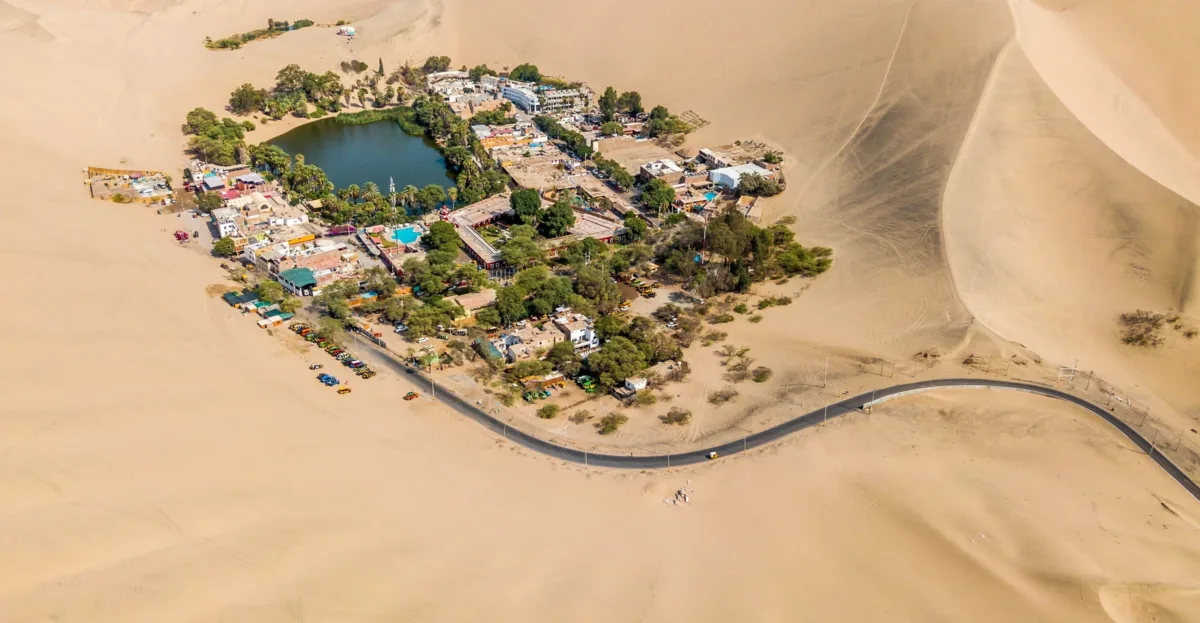
Ica is a hot, bustling city on the Peruvian coast. It is well known for its vineyards and wineries which produce both wine and Pisco, the national beverage. The city is home to the famous Huacachina Lagoon, which is surrounded by huge sand dunes and where many people try their hand at sandboarding. Ica also offers cultural attractions such as the Regional Museum of Ica, which houses pre-Columbian artifacts from the Paracas and Nazca civilizations. Adventure seekers can enjoy dune buggy rides at sunset, while food lovers can sample traditional dishes like carapulcra and sopa seca.
The Nazca Lines are a group of pre-Columbian geoglyphs etched into desert sands. Covering an area of nearly 1,000 sq. kilometers, there are about 300 different figures, including animals and plants. Composed of over 10,000 lines, some of which measure 30 meters wide and stretch more than 9 kilometers, the figures are most visible from the air or nearby hilltops. Theories about their purpose range from astronomical calendars to ceremonial pathways. Declared a UNESCO World Heritage Site in 1994, the Nazca Lines continue to intrigue archaeologists and travelers alike.
Often called the Capital of the Peruvian Amazon, Iquitos is both the largest city in the Peruvian rainforest and a melting pot for different foods, cultures, and historical landmarks. Located on the banks of the Amazon River, it offers a wide range of natural attractions as well. From Iquitos, visitors can embark on river cruises or jungle treks to explore the Amazon’s extraordinary biodiversity, including pink river dolphins, sloths, and countless bird species.
Iquitos was founded in the mid-18th century as a Jesuit mission to the indigenous Yameo people. The rubber boom of the early 20th century brought thousands of international immigrants as well as industry and money to the town – making way for the now culturally diverse, large city. European influences are still seen mingled with local culture today. Notable landmarks include the Iron House (Casa de Fierro), designed by Gustave Eiffel, and the vibrant Belen Market, where floating houses rise and fall with the river’s tide.
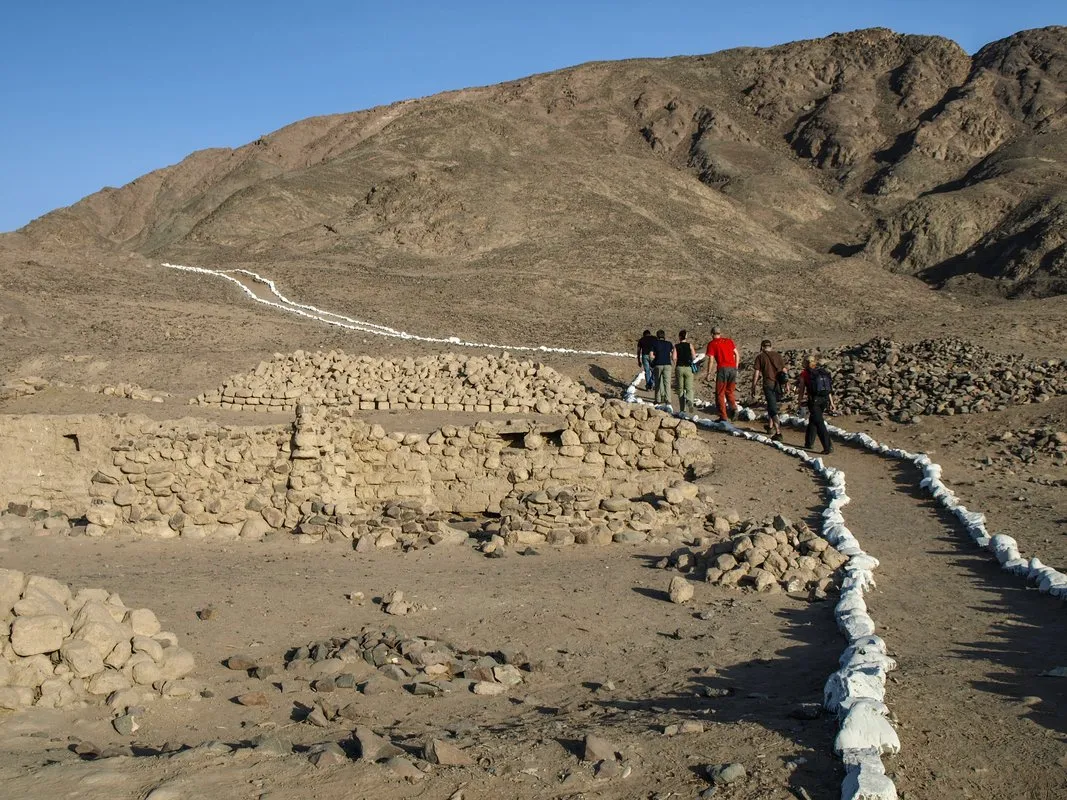
Trips that Include the Nazca Lines
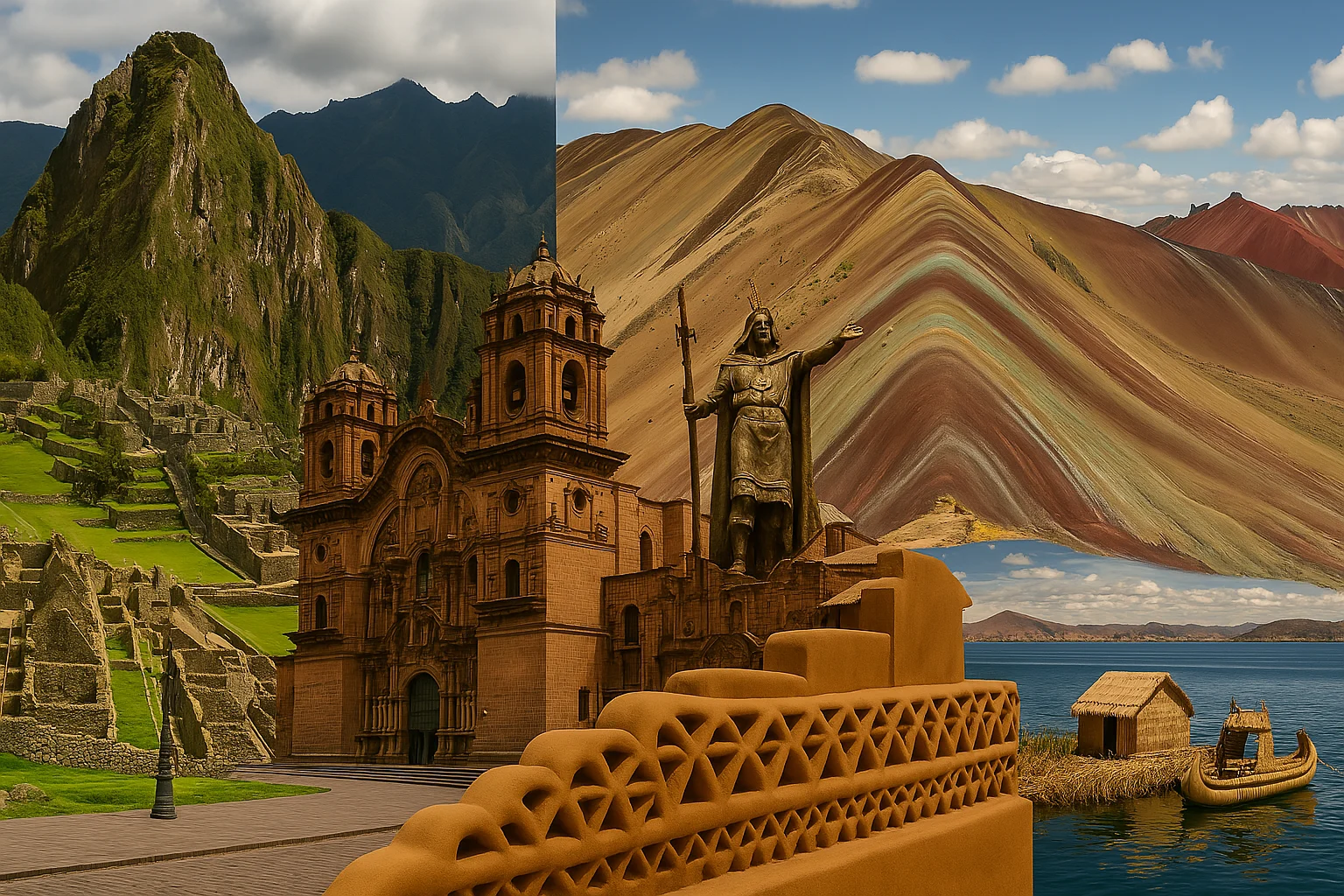
Peru Discovery Tour: Rainforest to Ruins
On this amazing and complete Peruvian tour, we take you to every one of our favorite destinations within the country. From Lima you will fly to Cusco and transfer to the Sacred Valley. From here, you will not only acclimate to the high altitude, but you will also experience the mystifying beauty that is the Inca region.
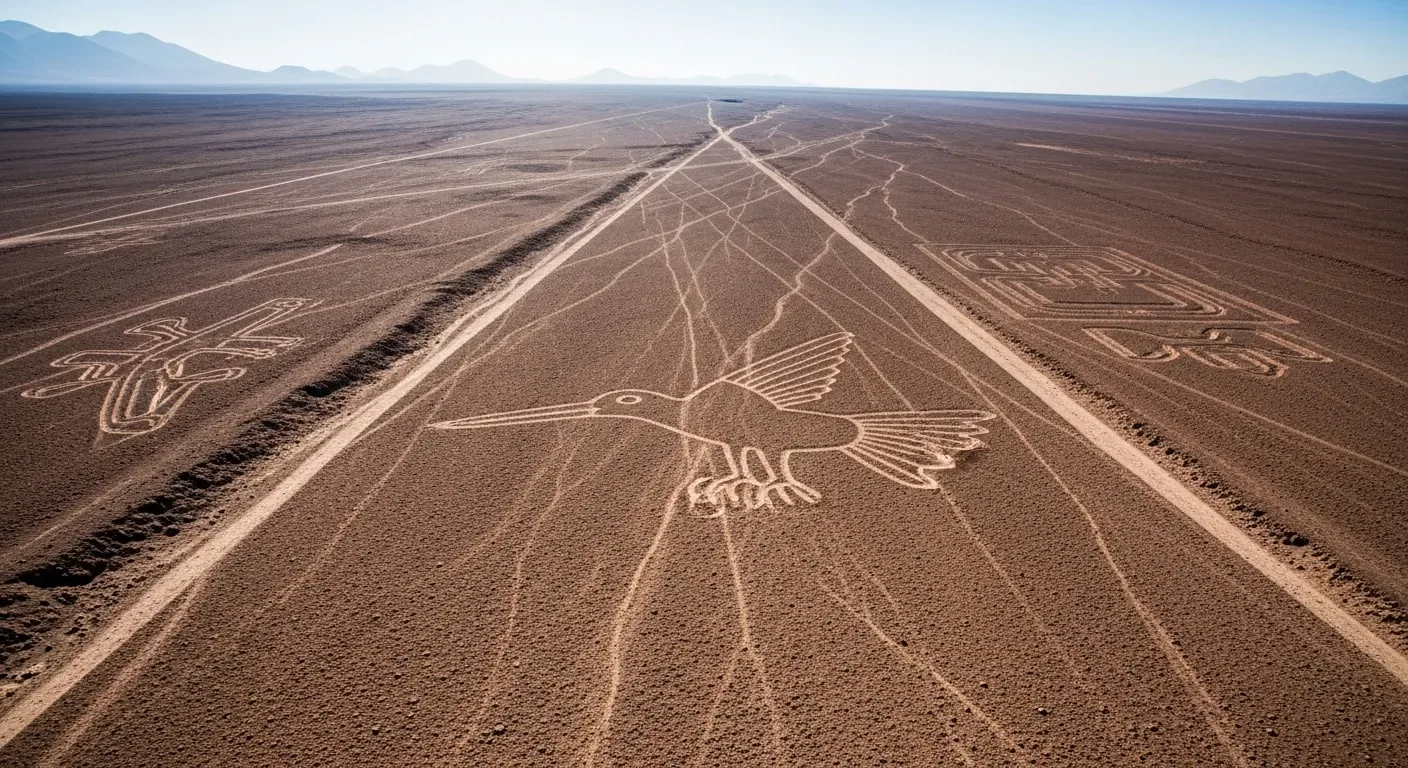
Nazca Lines and Paracas Overnight Peru Tour
First visit the Nazca Lines. Designated a UNESCO World Heritage Site in 1994. Scholars believe the Nazca Lines were created by the Nazca culture between 400 and 650 AD. The hundreds of individual figures range in complexity from simple lines to stylized hummingbirds, spiders, monkeys, fish, sharks, orcas, llamas, and lizards.
Nazca Lines Hotels
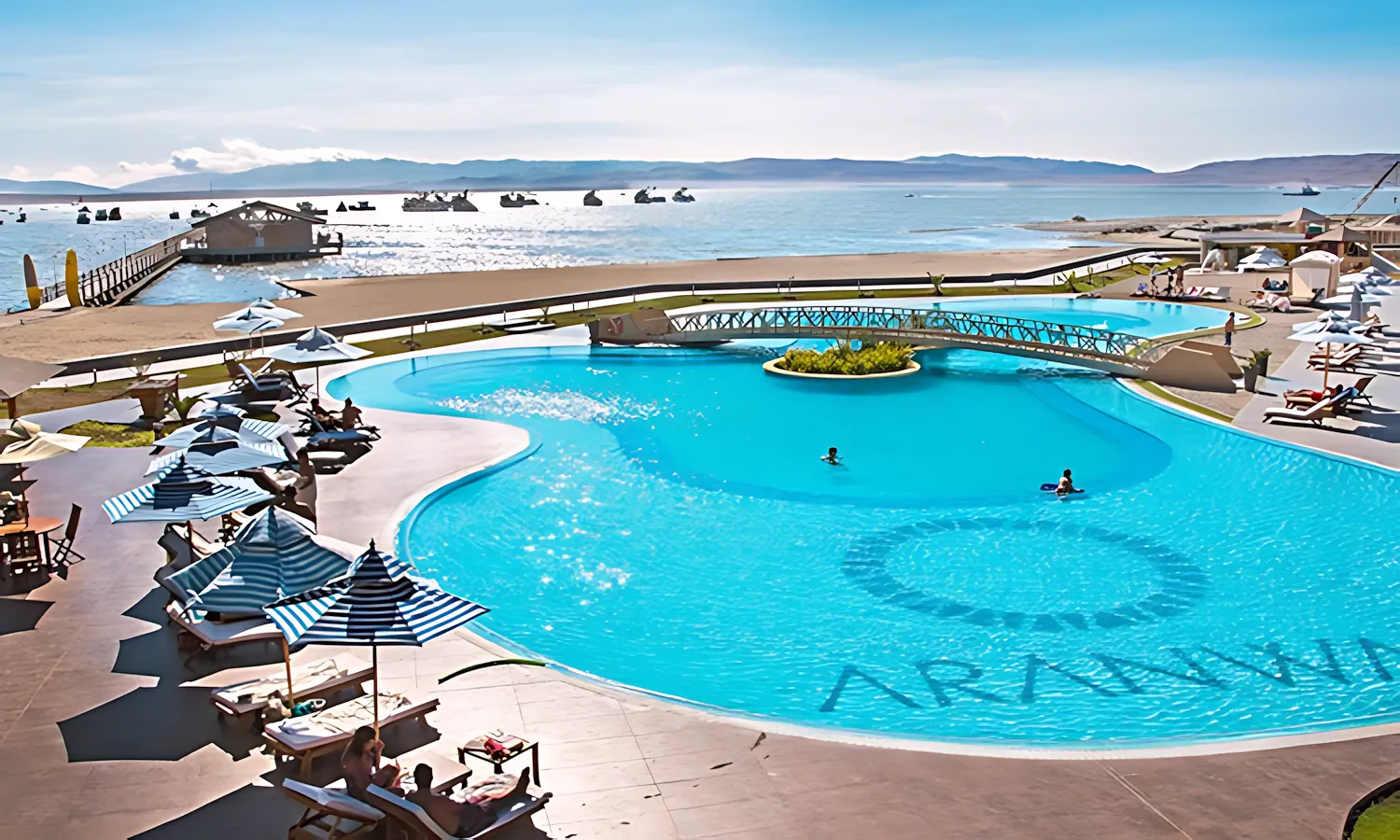
Aranwa Paracas Resort and Spa – Paracas, Peru
The Aranwa Paracas Resort and Spa is an exclusive and modern resort that is the ideal place to unwind for a group, a couple, or a family. Paracas Bay is located in the province of Pisco, Peru and it is an irresistible invitation to discover the wonderful natural diversity of Paracas and to take a traditional journey through the rich history of this place.
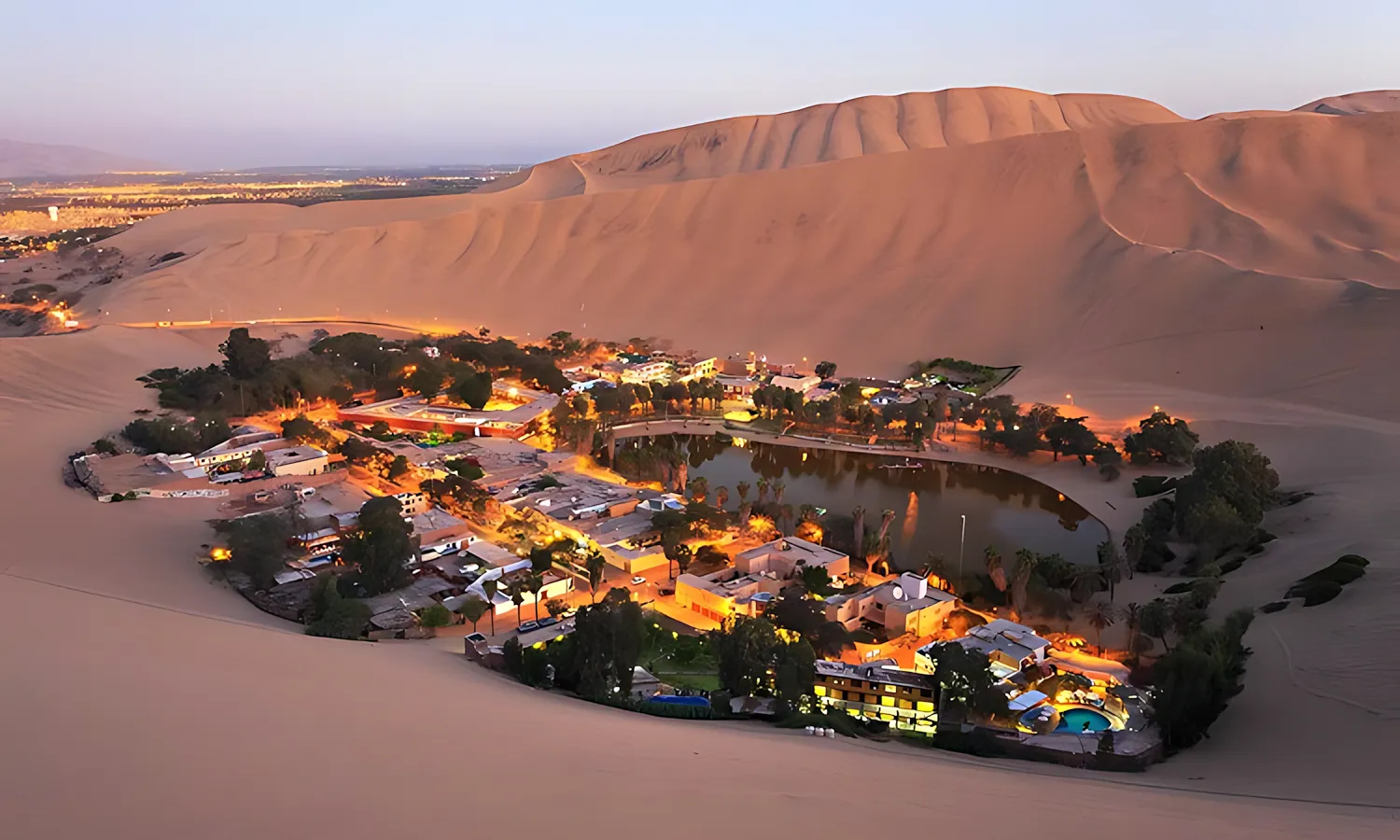
Hotel Las Dunas – Ica, Peru
Hotel Las Dunas is the sunniest holiday destination close to Lima, Peru. It is located in the middle of the desert in a 14 hectare oasis. The facilities are specially designed for having fun, relaxing or enjoying full-day outdoor activities that will make your holidays unforgettable. Since 1974, Las Dunas Hotel offers a variety of services specially designed for having fun and relaxing.
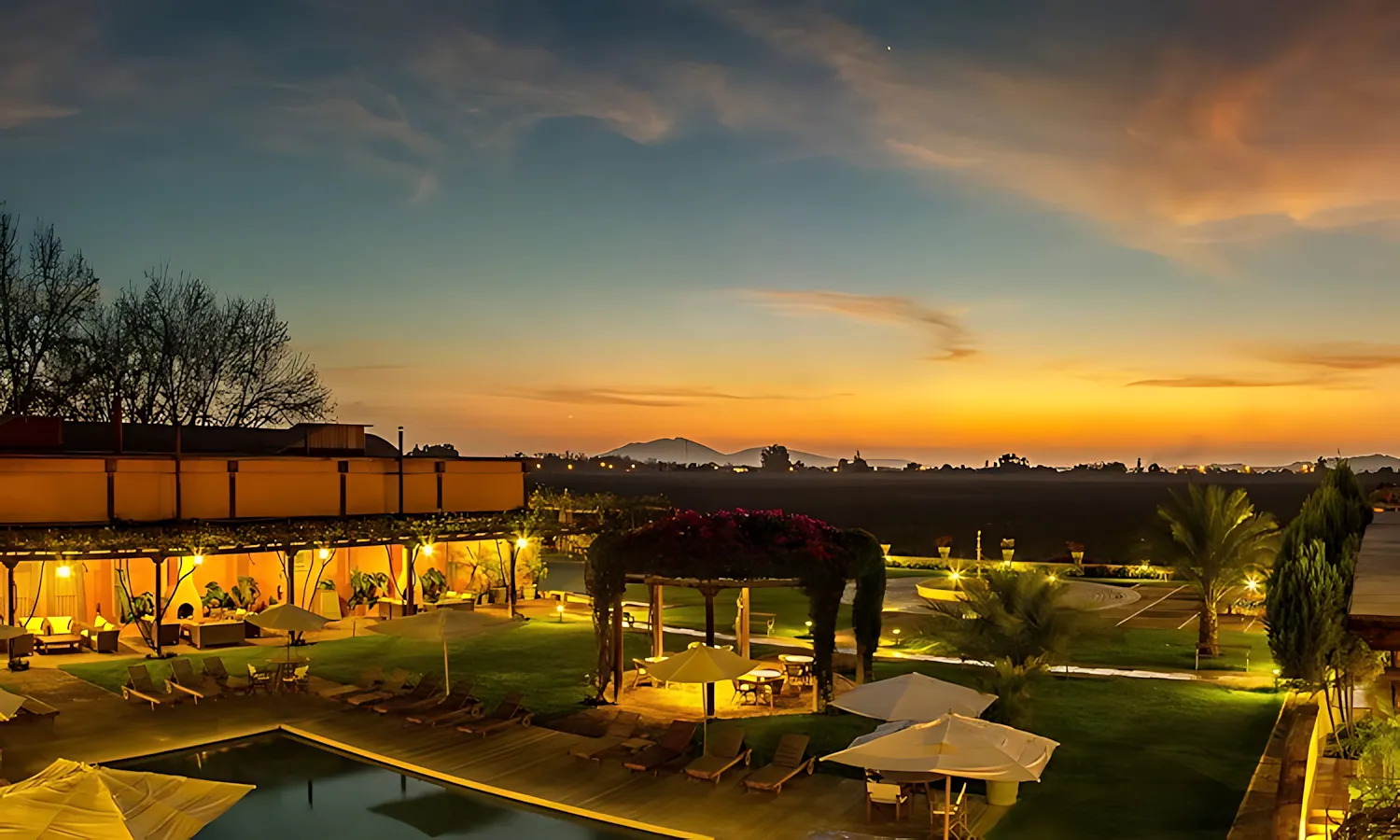
Hotel Vinas Quirolo – Ica, Peru
Live the experience of the only hotel in Peru in the middle of a vineyard at Hotel Vinas Queirolo in Ica, Peru. Having the opportunity to live a few days surrounded by vineyards, in contact with nature, learn and enjoy wines and piscos, is part of the Hotel Vinas Queirolo experience.
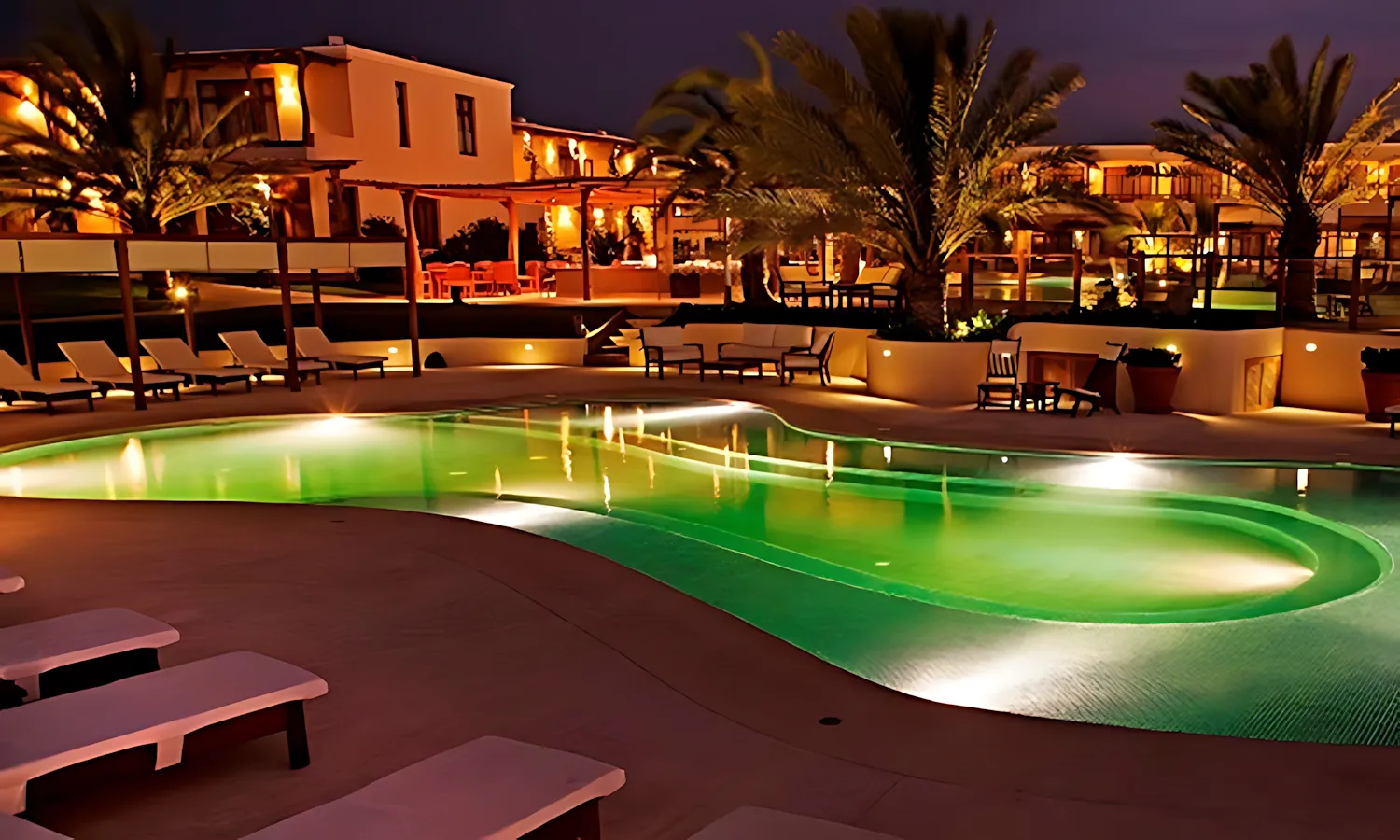
La Hacienda Bahia Paracas – Paracas, Peru
The Hotel La Hacienda Bahia Paracas is located just three hours south of Lima, Peru on the shores of the beautiful Bay of Paracas where luxury and simplicity blend perfectly. Come and experience the comfort and tranquility that this beach side resort offers. It is an experience that you are sure to never forget.

San Agustin Hotel Paracas – Paracas, Peru
The San Agustin Paracas Hotel is located 250 kilometers south of Lima, Peru half a block from the new "El Chaco" port, ideal for excursions such as the Ballestas Islands, it is the only hotel where all rooms have a sea view. Bahia de Paracas is a 3 minutes’ walk away on foot. Ica is 60 minutes away by car. Pisco is 25 minutes away by car. Nazca is 3 hours away by car.
Scan this QR code to visit this page with your mobile device:

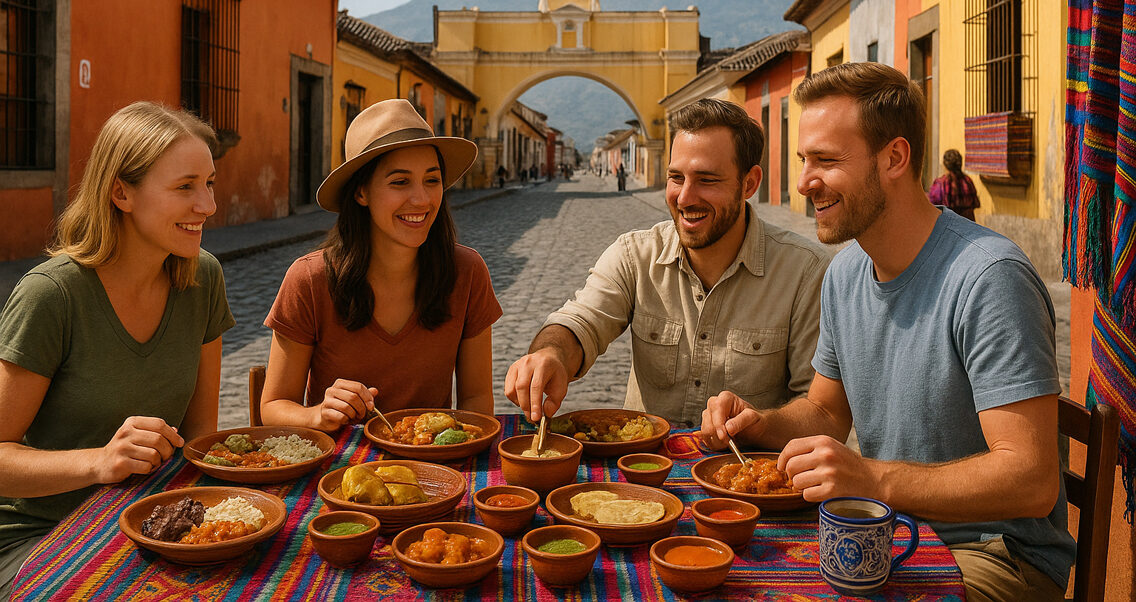
Flavorful Guatemala Food Tour
The cuisine and culinary traditions of the Ancient Mayans were diverse and extensive. The Mayans were hunters, fishers and used their own gardens to grow their food supply. Their most traditional dishes use a variety of ingredients. Their largest crop production was maize (corn). Cacao, another principle crop, was used in a sacred drink and also as an exchange unit in its grain form. The Spanish colonization brought change to the region.
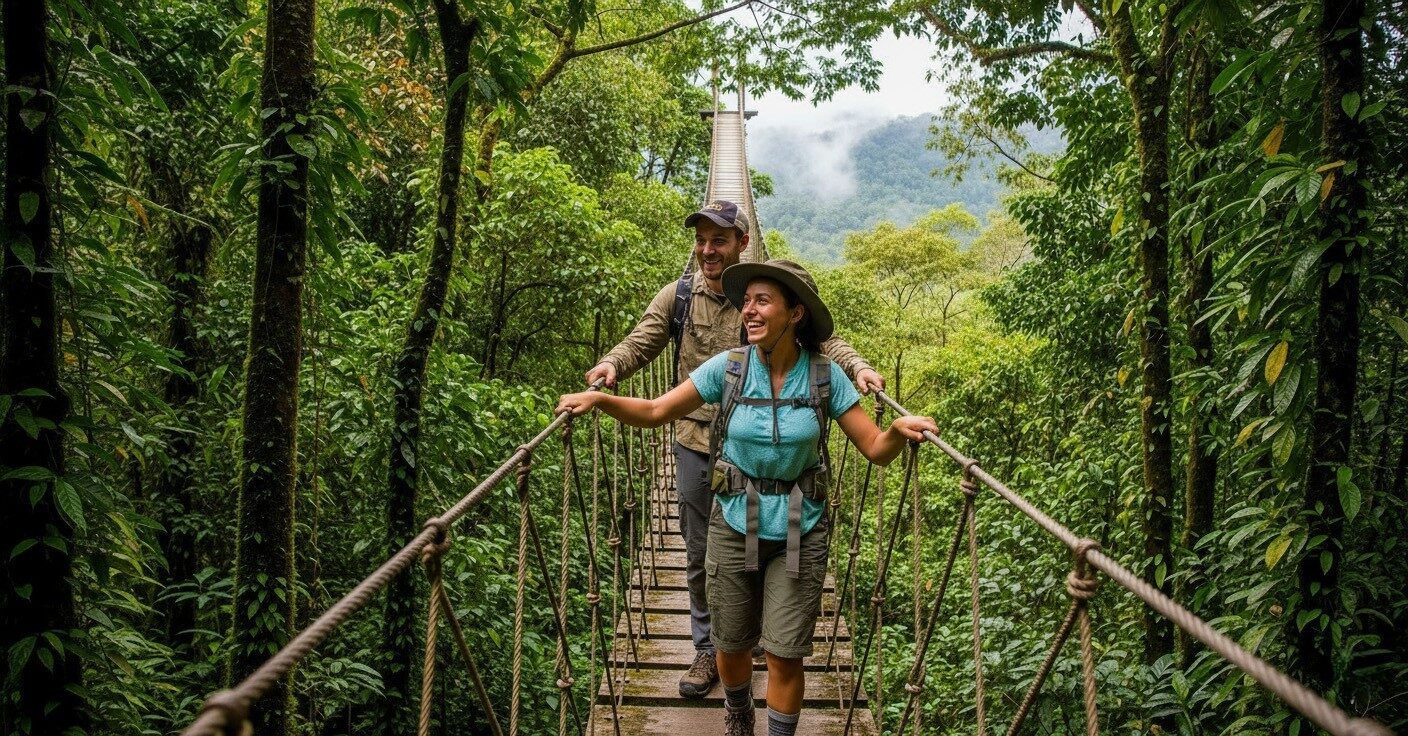
Costa Rica Exploration Tour
This trip combines the Arenal Volcano and Monteverde Cloudforest nature pairing with Tortuguero National Park on the Caribbean coast and one of the many beaches on the northern Pacific coast. Much of Tortuguero is jungle-covered lowland. There are no roads in Tortuguero National Park, called Costa Rica’s “little Amazon”; travel is by boat along a series of rivers and canals or by foot on forest paths.
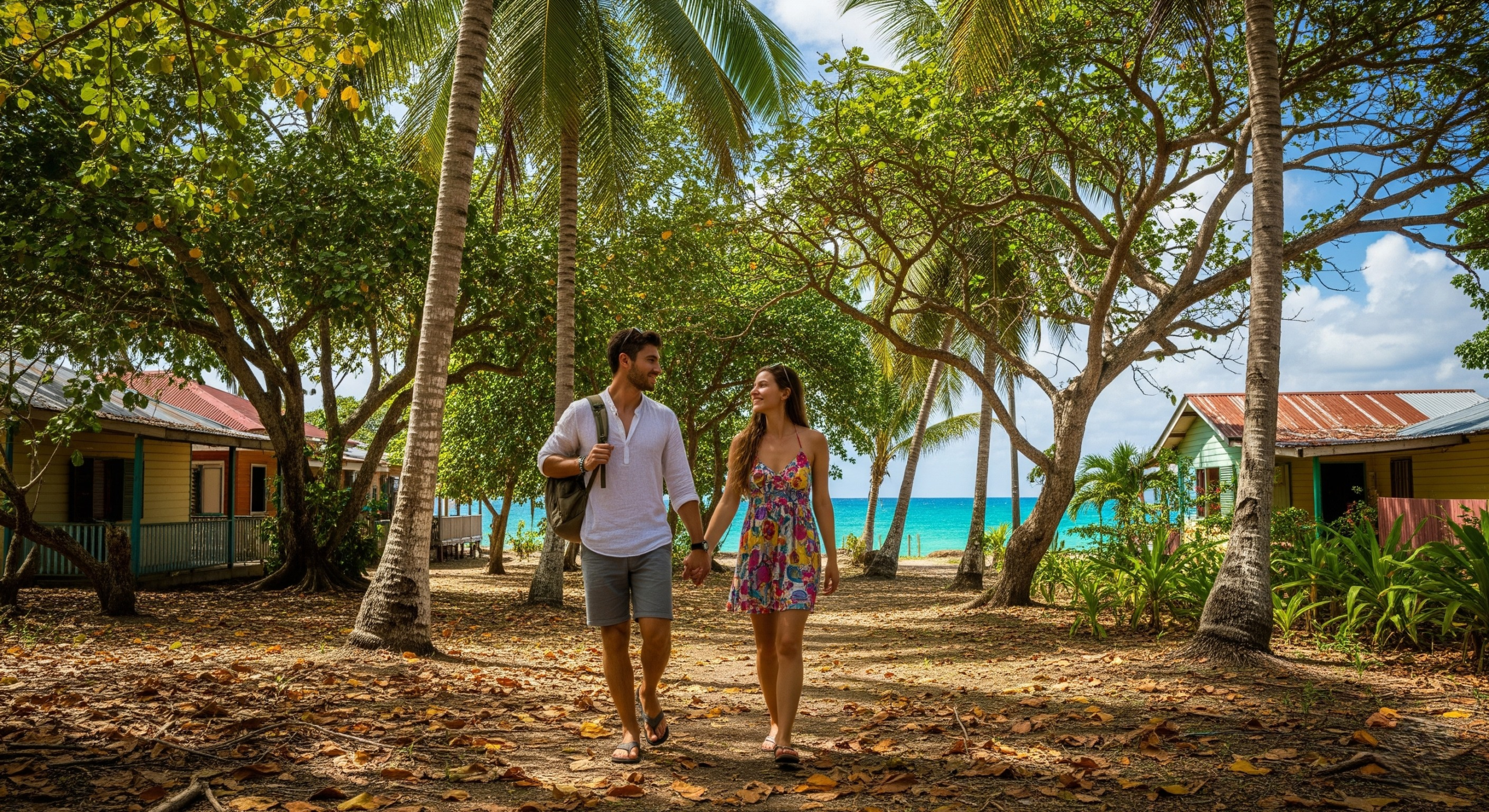
Nicaragua Complete – Nicaragua East to West Tour Package
This extended trip allows you to see five areas of Nicaragua with free time to explore on your own. Start with 3 nights in Leon where you will have one day of touring the city and nearby wildlife refuge and a full day to wander on your own. Then return to Managua and fly to Big Corn Island.
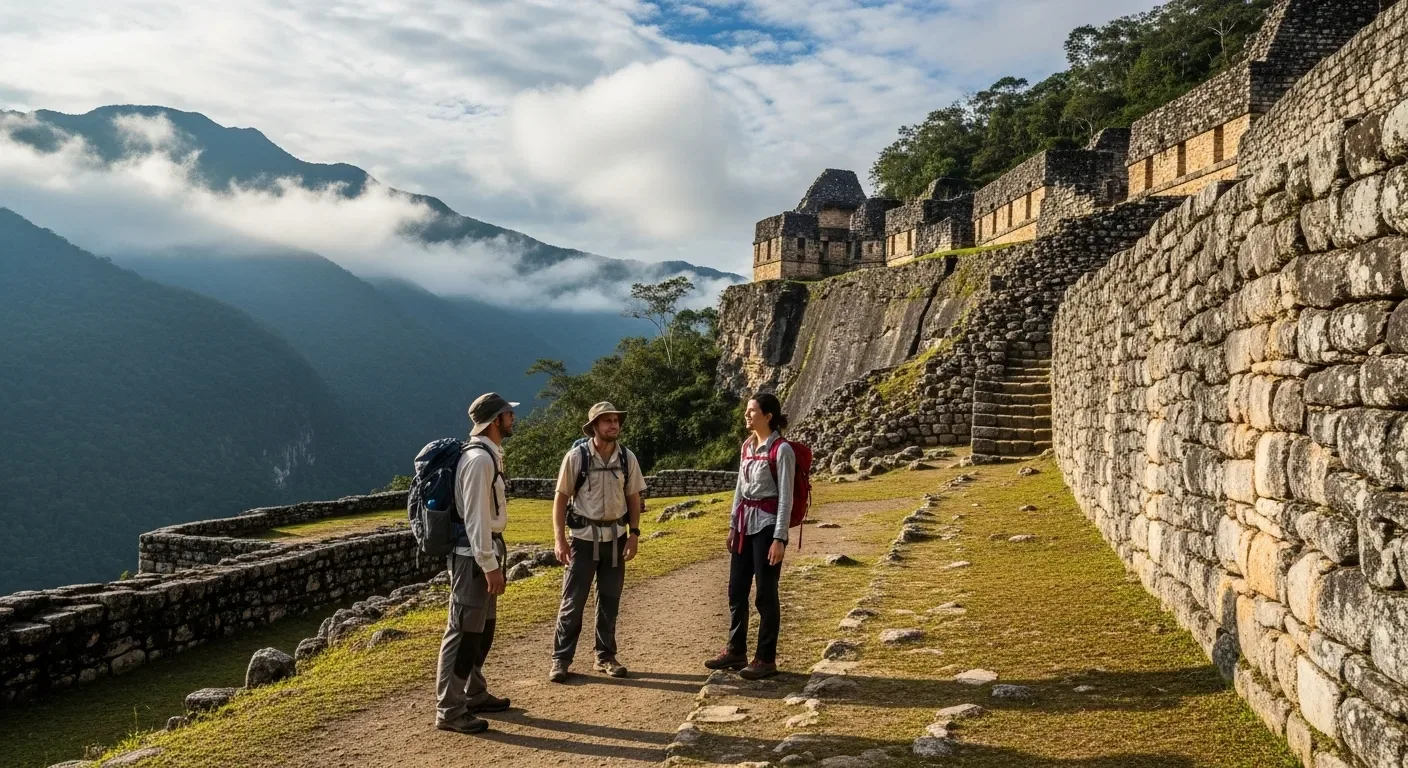
Northern Peru – Nature & Culture Tour to Kuelap and Cajamarca
This journey through Northern Peru combines the dramatic natural landscapes of the Andes with the legacy of ancient civilizations that predate the Incas. From the misty cloud forests surrounding Chachapoyas to the monumental fortress of Kuelap, travelers follow the trail of the enigmatic Chachapoya people—“the Warriors of the Clouds”—whose ruins still cling to mountain ridges above deep valleys.